Enterprise Web App Modernization Services
We modernize legacy web applications through phased frontend migration, architecture upgrades, framework modernization, and incremental component replacement. Our approach to legacy web application modernization is designed to keep critical operations running while teams reduce technical debt and move toward maintainable, scalable frontend architecture.
Stop Fighting Your Old Infrastructure










A web application is a critical business asset, and taking it offline for a full rewrite is rarely practical. Our approach centers on Incremental Migration.
Using patterns such as the Strangler Fig, we replace legacy components in stages while old and new systems operate together where required. Each phase is validated before the next begins, helping teams manage migration risk, reduce technical debt, and modernize without depending on a single high-risk cutover.
Client Results and Success

350k+ downloads across iOS and Android.
The system eliminates reliance on technical teams for adding destination countries, facilitating seamless global service provision.
- Global Payments Processed Annually
- 400M+
- Active Users across the UK, Canada, Europe, and Australia
- 120k+
- Downloads across iOS and Android
- 350k+
$57,000+ annual savings.
The project focused on right-sizing cloud resources and implementing automated scaling to handle fluctuating transaction volumes without compromising speed.
- Reduction in Monthly Cloud Costs
- 60%
- Saved per Month
- $4,800
14,274 sites in the Collect+ network.
The revamped application provides a unified interface for managing complex billing tasks and integrated logistics collection flows.
- Growth in Online Market Presence
- 17%+
- Growth in Parcel Transactions
- 20%
Including CO2 emission calculations.
The platform focuses on reducing the carbon footprint in construction by providing innovative tracking and sustainability tools.
- Users Onboarded
- 675
- Major Features Built
- 15+
From 5 Days to 2 hours
The system improves hiring speed and accuracy by automating initial voice-based interactions.
- Reduction in Manual Screening Effort
- 99%
- Success Rate for Technical Teams.
- 80-90%
- Hours to Complete Hiring Cycles
- 2
Separate Apps for Nurse, Child, and Parent
We integrated native APIs and synchronization protocols to ensure data accuracy across the healthcare suite.
- Separate apps Synchronized into One Ecosystem
- 3
Core Capabilities in Enterprise Web App Modernization
Transforming legacy frontend systems into modern, scalable architectures, without breaking what already works.
24/7
Engineering Support
100%
Code Quality Score
99.9%
Uptime & Reliability
2x
Faster interaction response
What Enterprise Web App Modernization Unlocks for Your Enterprise
Shedding legacy frontend systems doesn't just reduce technical debt; it accelerates delivery, empowers your engineering teams, and builds the architectural foundation your enterprise needs to scale with confidence.
Reduced Technical Debt
Cleaner code, lower maintenance costs, fewer bottlenecks.
Improved Developer Productivity
Modern tooling and workflows that help your teams move faster.
Modern Feature Support
Unlock the latest frontend capabilities without legacy constraints.
Zero-Downtime Migration
Stay fully operational while your systems modernize in the background.
A Deliberate Path to Enterprise Web App Modernization.
We assess your existing frontend to map technical debt, dependencies, and migration complexity before a single line of code changes.
We design a tailored modernization roadmap — framework choices, phasing, and risk mitigation, aligned to your team's capacity and business goals.
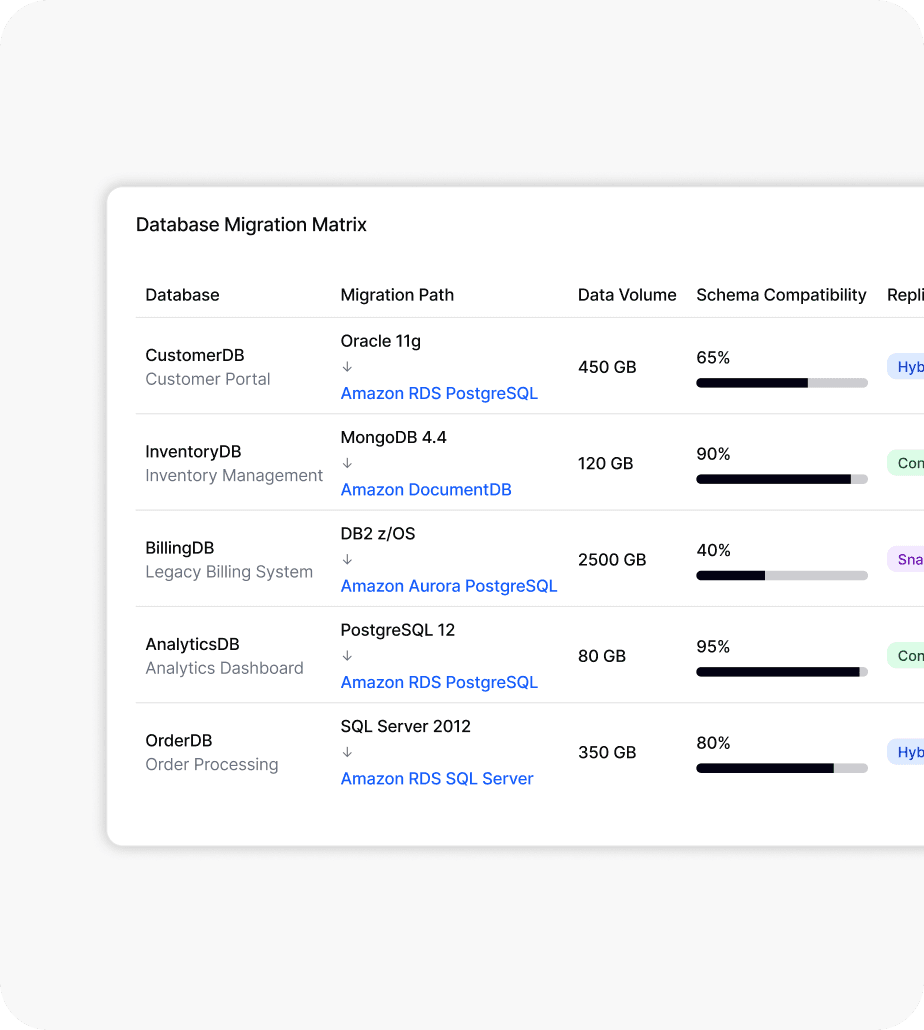
We migrate piece by piece, validating each stage before moving forward, so your systems stay live and your users stay unaffected.
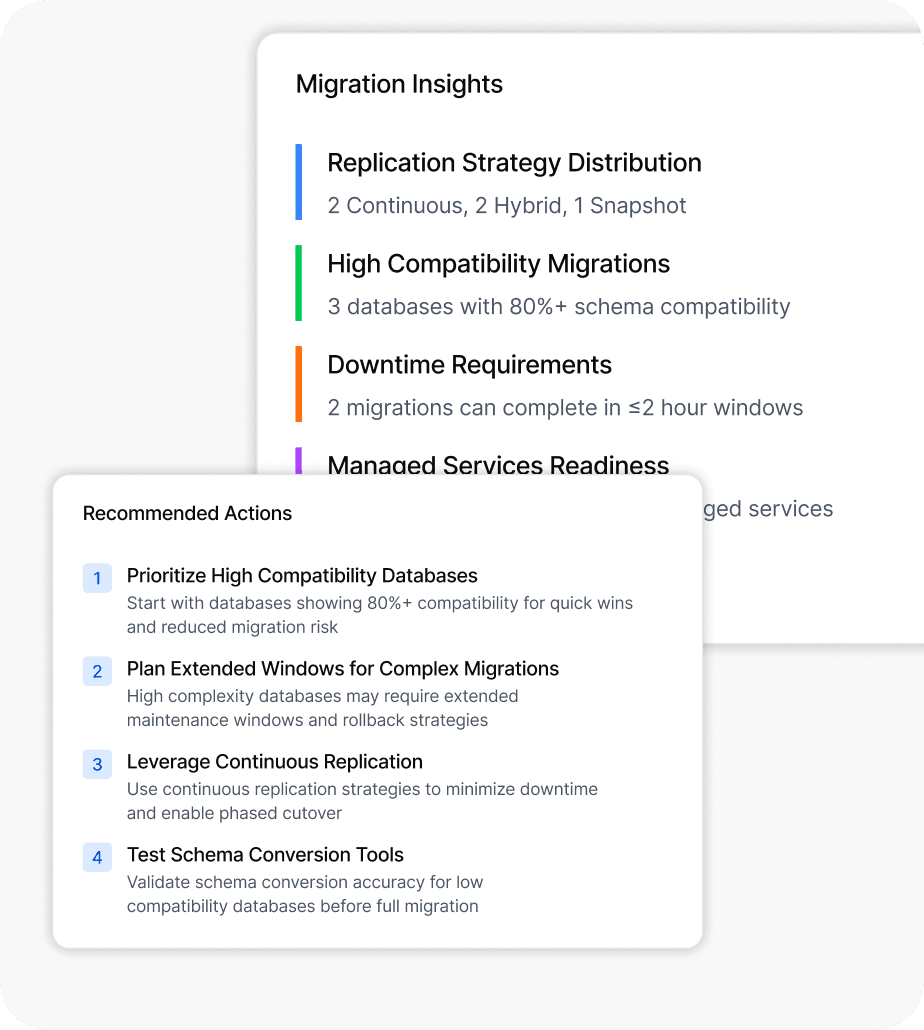
We ensure the modernized frontend is performant, stable, and production-ready, with monitoring and support to hold the gains long-term.
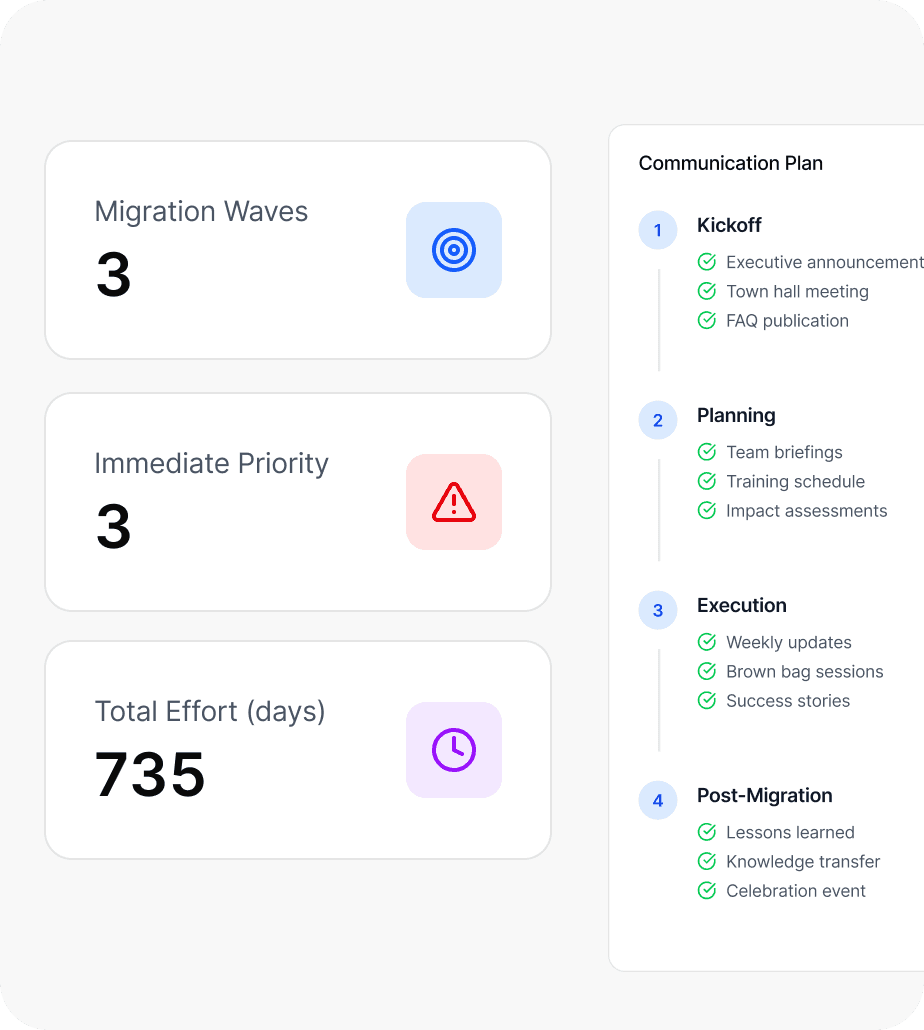
Comprehensive solutions for Web Engineering
Technology Stack for Enterprise Frontend Modernization
No two legacy systems are alike in their complexity, dependencies, or modernization readiness. We design every migration strategy around your existing architecture and business goals, ensuring your frontend scales without disruption.
- Next.js

- React

- Vue.js

- Angular
- TypeScript

- Tailwind CSS

- shadcn/ui

- gluestack-ui

- Node.js
- Vercel

- AWS

- Google Cloud

- Contentful

- Strapi

- PostgreSQL

- Redis

Modernizing Frontend Systems Across Industries, at Scale.
Legacy frontend complexity varies by industry, regulatory environment, and the scale at which teams need to ship. We modernize and migrate web applications for:
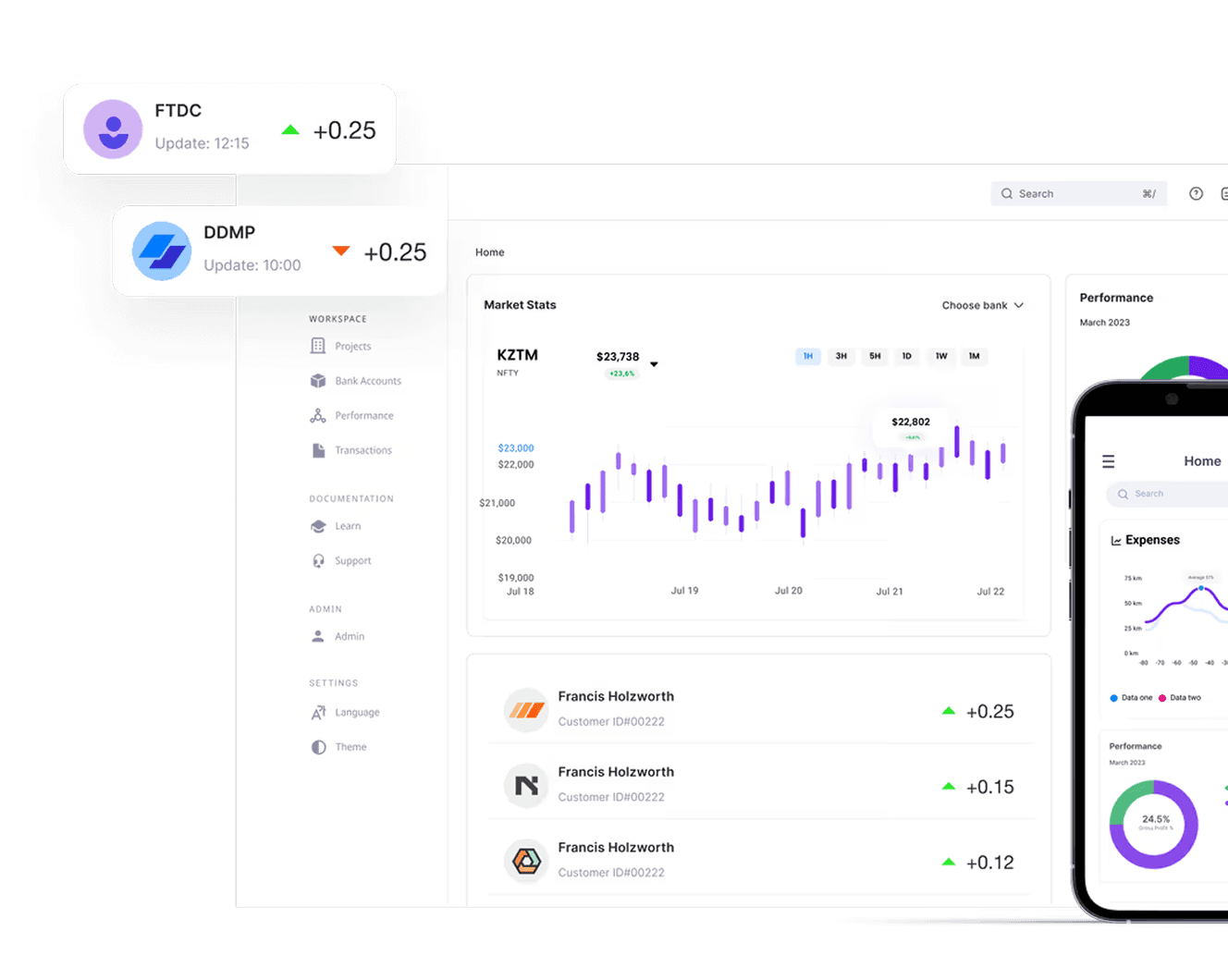
Fintech
Secure, scalable fintech and banking app development.Explore more
Food and Beverages
Customized AI-driven F&B apps for a booming business.Explore more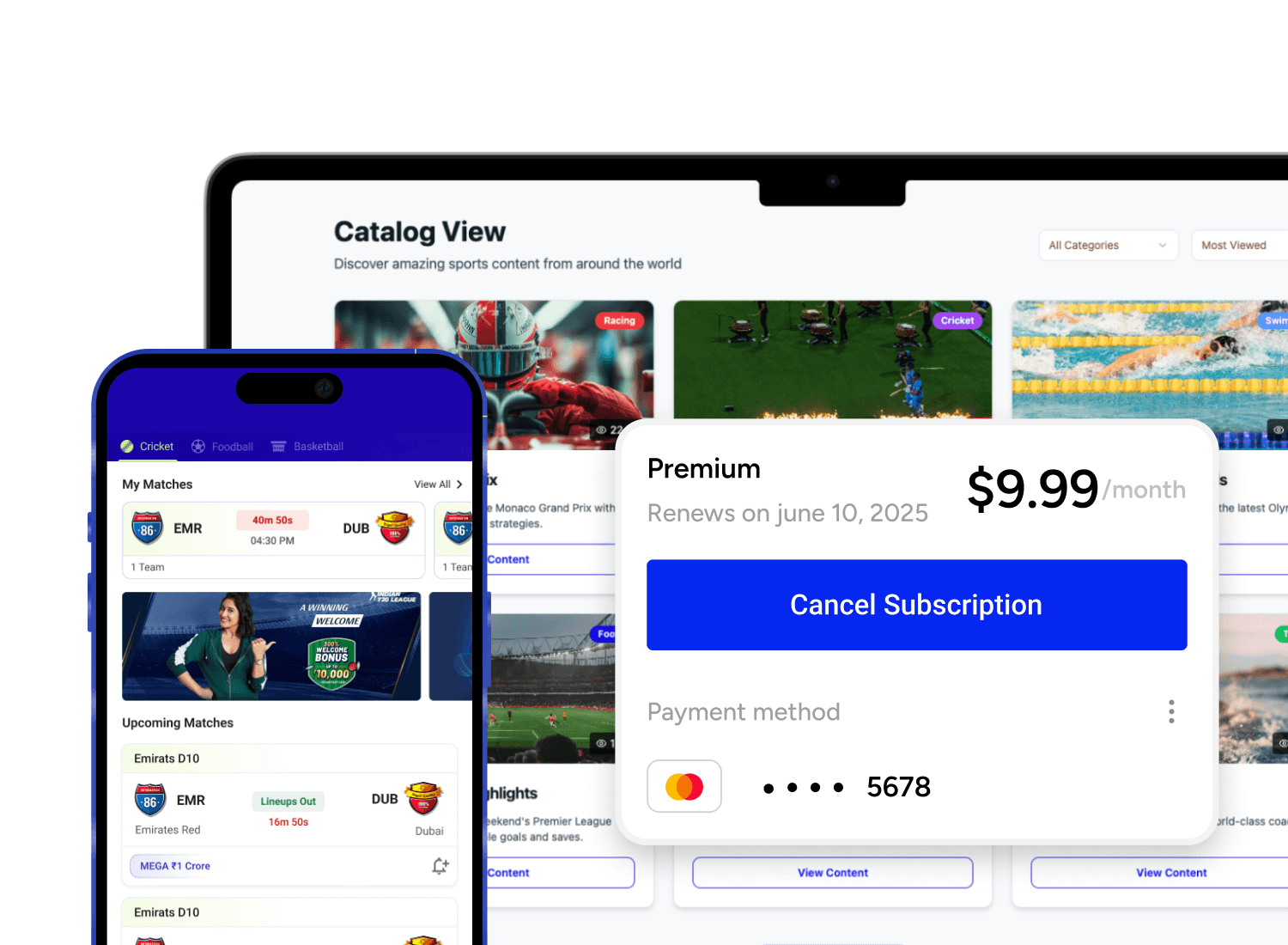
Sports
Cross-platform sports app development by GeekyAnts. Build fast, scalable apps for live scores, fan engagement, team management & more—across mobile, web, and wearables.Explore more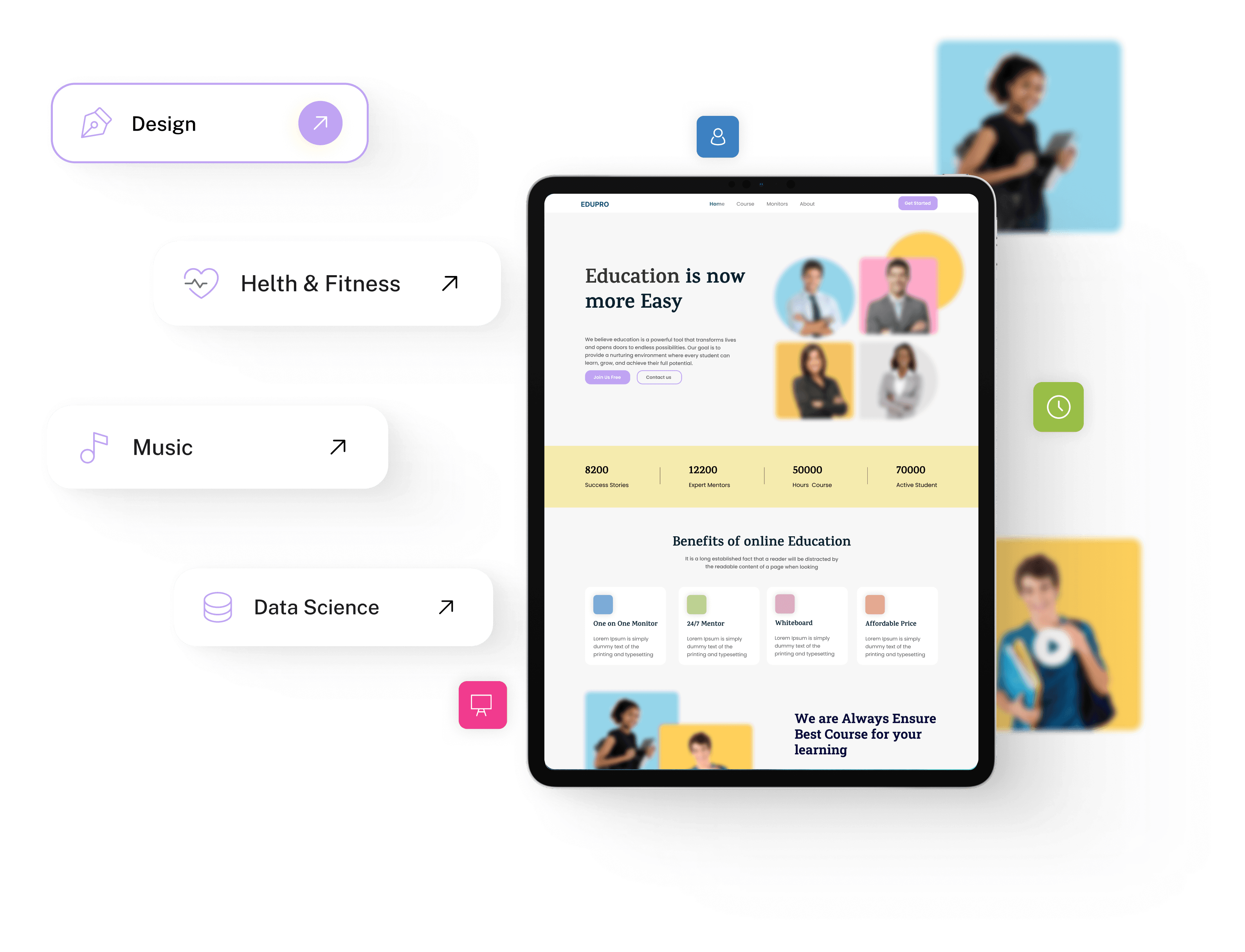
Education
GeekyAnts offers the best education and e-learning app and software development services for the education industry that can help you make the shift from traditional practices to a digital infrastructureExplore more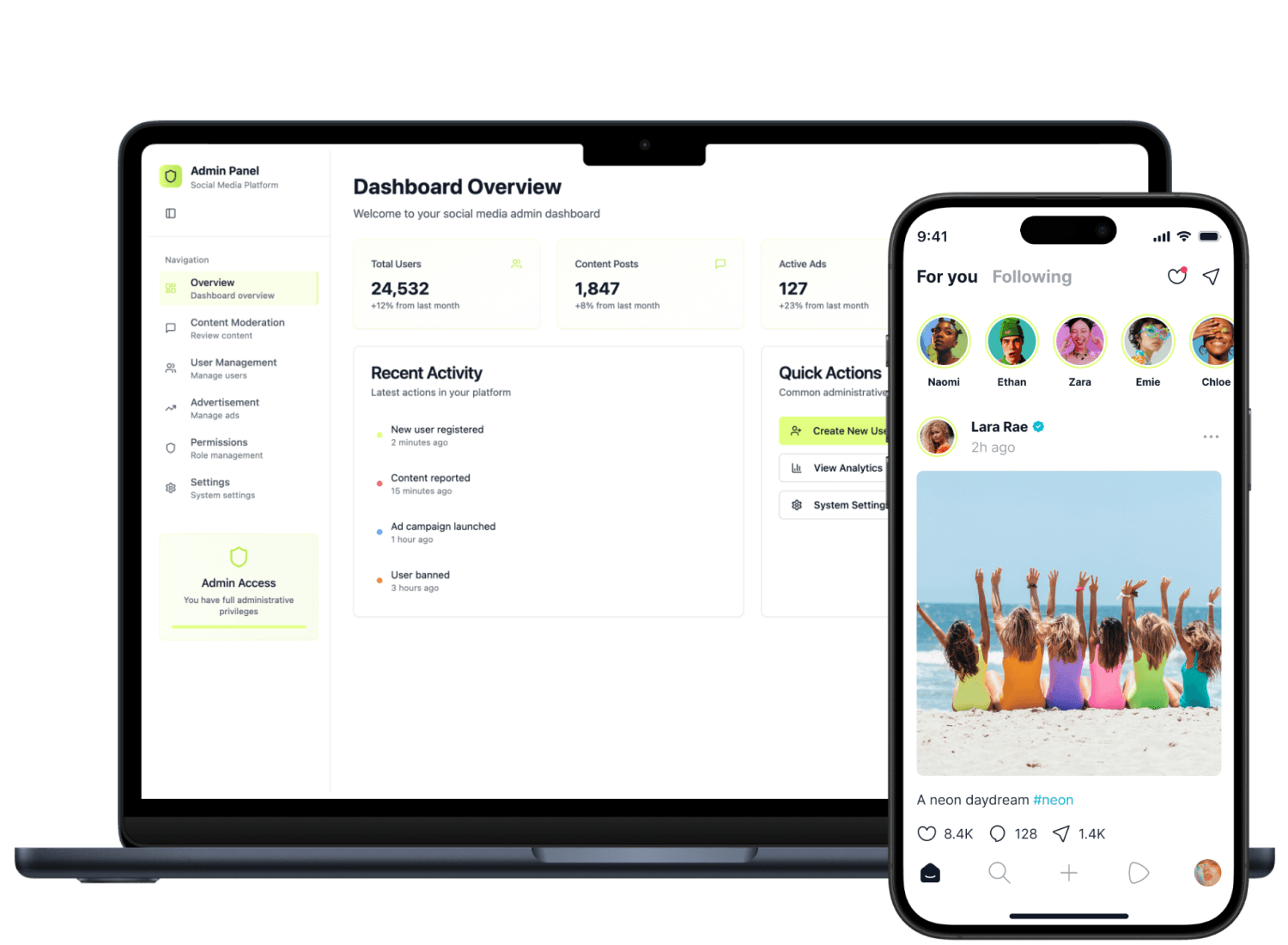
Social Media
GeekyAnts offers custom social media app development services to build scalable, AI-powered platforms that enhance user engagement and retention.Explore more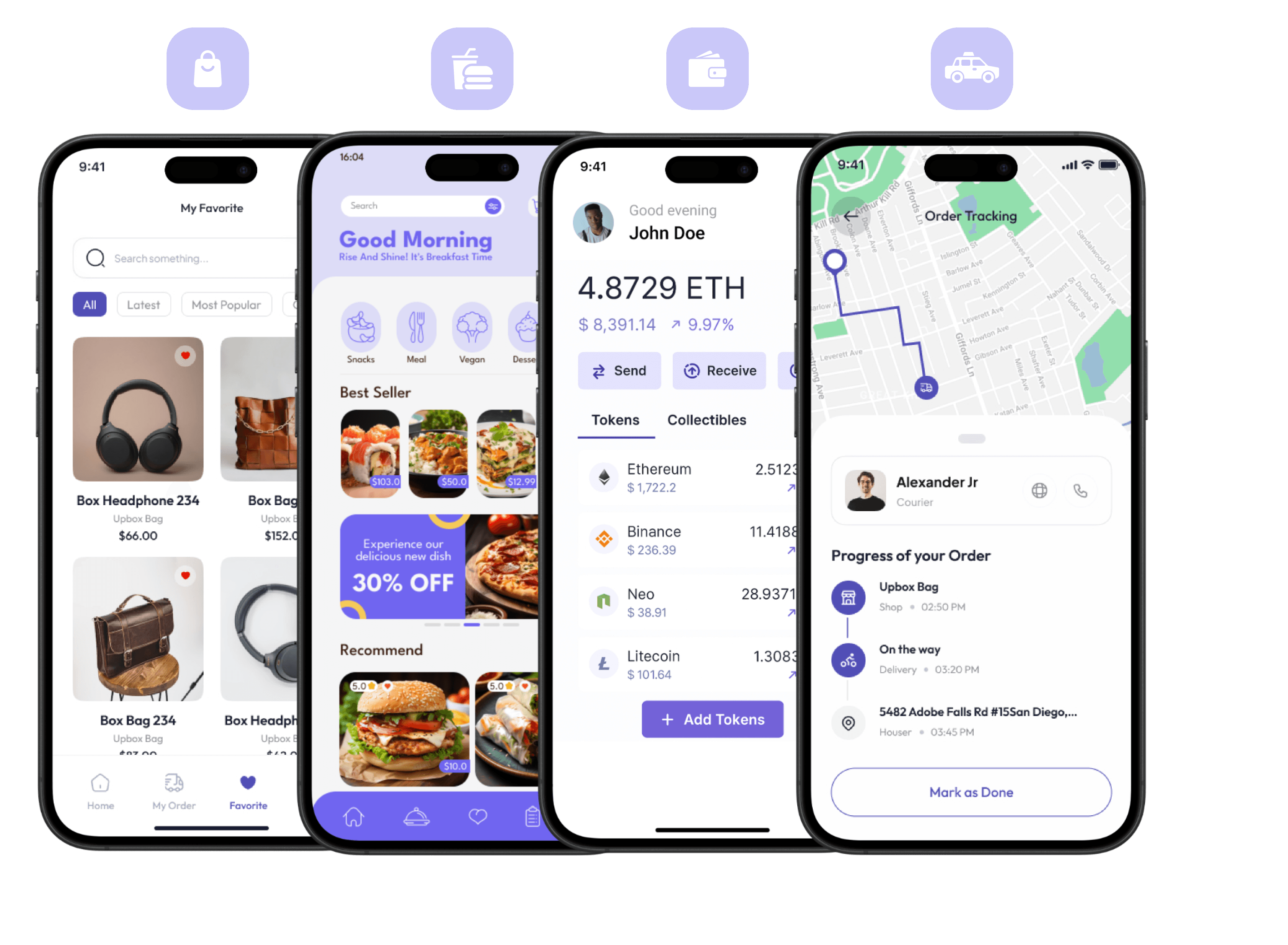
On-demand Booking
Trusted on demand app development company offering custom on demand app development services to build scalable, user-centric solutions for global businesses.Explore more
Our Latest Thinking in Web Engineering
Build with us.Accelerate your Growth.
- Customized solutions and strategies
- Faster-than-market project delivery
- End-to-end digital transformation services
Contact us
FAQs on Enterprise Web App Modernization
An enterprise web app modernization company should be able to audit legacy code, map dependencies and technical debt, plan phased migrations, modernize outdated frameworks, and validate each rollout before proceeding. Evaluate its experience with incremental migration, modular architecture, frontend performance, testing, production stabilization, and long-term maintainability, especially when critical web applications must remain operational during modernization.
We follow an incremental migration strategy that replaces legacy frontend components piece by piece rather than rebuilding everything at once. This approach ensures your systems remain fully operational throughout the modernization process, with no impact on end users. Each phase is validated before the next begins, reducing risk and allowing teams to course-correct early. We begin with a thorough legacy audit to map dependencies, technical debt, and migration complexity, then design a phased roadmap tailored to your architecture and business priorities.
The timeline for enterprise frontend modernization varies depending on the size of the existing codebase, the complexity of legacy dependencies, and the pace at which your teams can adopt changes. Smaller, well-scoped projects can see meaningful progress within a few months, while large-scale enterprise migrations may span several quarters. We work with your engineering and business teams to define realistic milestones, ensuring the modernization timeline aligns with your release schedules and operational priorities.
Our technology decisions are driven by your existing architecture, team expertise, product goals, and long-term maintainability — not by a fixed framework preference. For most enterprise modernization engagements, we evaluate modern frameworks such as React, Next.js, and modular component architectures against your specific rendering, performance, and scalability requirements. We also assess build tooling, state management, and design system needs as part of the migration strategy. The goal is to select a stack that your teams can own and scale confidently, long after the modernization engagement concludes.
Migrating from Angular or jQuery requires a structured, risk-aware approach that accounts for the tightly coupled nature of these legacy systems. We begin by auditing the existing codebase to identify critical paths, shared dependencies, and areas of highest technical debt. From there, we design a migration roadmap that transitions components incrementally — running legacy and modern code in parallel where necessary to maintain system stability. This strangler fig pattern allows us to replace legacy code progressively without a full rewrite, reducing risk throughout the migration.