
Introduction
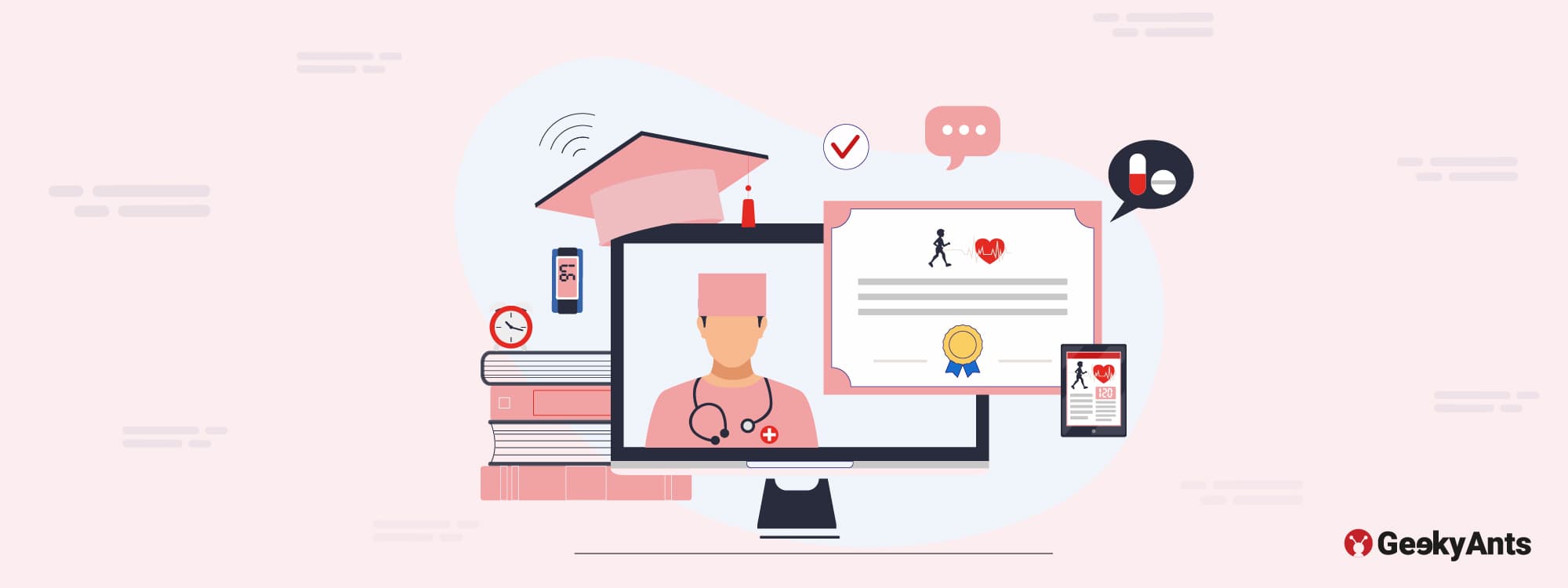
A Learning Management System (LMS) provides a centralized platform for educating and training professionals involved in the healthcare system. Essentially a software application that delivers, tracks, and manages various types of training programs, LMS performs key functions in keeping healthcare professionals updated with new developments.
Some topics where LMS can be used to train employees on include —
- Medical Records Management — Helps teams stay updated on data privacy norms, confidentiality, record-keeping, and HIPAA regulations.
- Patient Safety — Ensures response teams stay aligned in communication strategies, medication safety, and fall prevention.
- Emergency Preparedness — Allows teams to be emergency ready through the latest information in disaster response, emergency communication, and response protocols.
- Healthcare Ethics — Training on subjects like informed consent, end-of-life care, and patient autonomy can be delivered with the help of LMS easily.
Overall, a well-designed LMS can be a great asset for a healthcare institution that wants to stay in tune with the changing requirements of its patients. This blog discusses the topic in detail.
But first, an evaluation of whether your healthcare organization requires an LMS or not.
How to Evaluate the Need for an LMS
An LMS, in general, provides several benefits to an organization. They are a centralized platform for training, provide easy access to training materials, and help identify areas where knowledge can be updated.
Managing compliance also becomes simpler with an LMS as it is easier to disperse regulations and laws on Health Insurance Portability and Accountability Act (HIPAA), Occupational Safety and Health Administration (OSHA), and other state and federal laws. LMSs can provide training on these regulations and rules to ensure that employees know their responsibilities and the consequences of non-compliance.
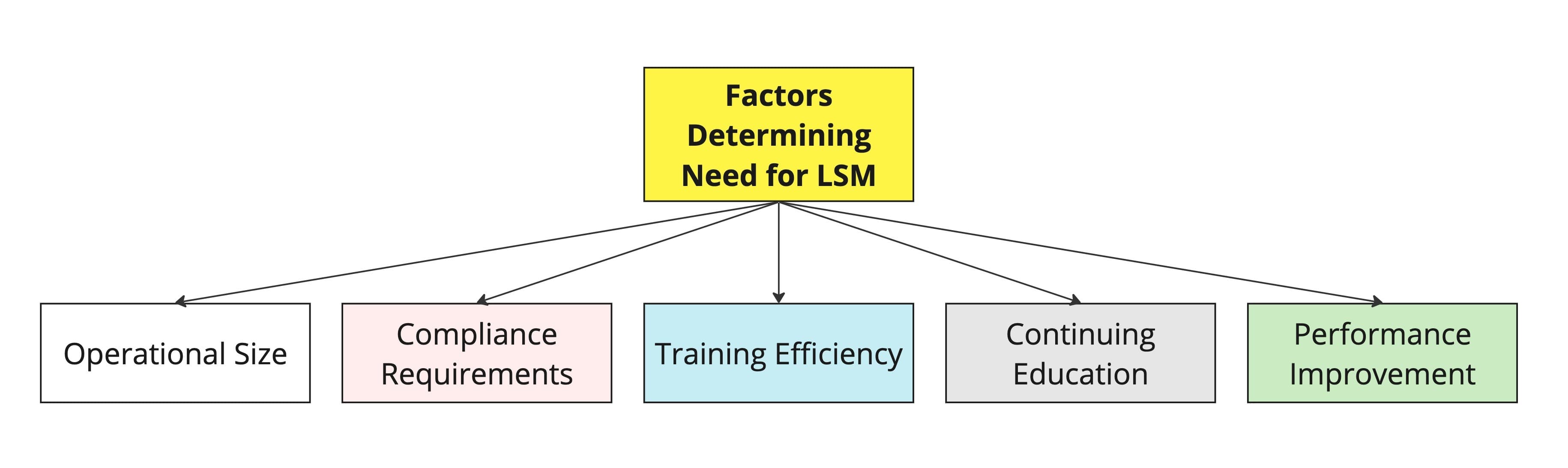
However, before reaching for the cheque on an LMS creation, it is essential to evaluate whether your organization does need an LMS or not. There are five factors you will need to assess —
- Operation size
- Compliance requirements
- Training efficiency
- Continuing education, and
- Performance improvement
Challenges in Implementing an LMS
A Learning Management System, like any other operational miracle, does have its set of flows and limitations. One of the main challenges is ensuring that the training materials are up-to-date and relevant to the current healthcare landscape.
Healthcare is a dynamic field, and new medical procedures, laws, and regulations are constantly being introduced. Therefore, ensuring that the training materials are updated regularly to reflect these changes is essential.
Another challenge is ensuring that the LMSs are user-friendly and accessible to all employees, including those with disabilities. Healthcare organizations should ensure that the LMSs they use are compliant with accessibility requirements and provide training on how to use the system to all employees.
The solution to these challenges is creating an Healthcare Learning Management System that has updated modules in the following areas:
- Compliance Training
Compliance training is a critical module as it ensures that employees know the regulations and laws governing the healthcare industry. It should be able to receive updates on the various changes in near real-time automatically.
- Patient Safety Training
Patient safety training helps healthcare professionals understand how to provide safe and effective patient care. Every recented development needs to be updated in the module with minimal intervention.
- HIPAA and OSHA training
HIPAA and OSHA training are also essential modules, as they provide employees with insights into the laws and regulations that govern patient privacy and safety in healthcare settings.
- Training on New Medical Procedures, Medicines, and Technologies
Training on new medical procedures and technologies is also crucial, especially as advancements in healthcare continue to emerge. Healthcare professionals must stay updated on new medical techniques and technologies; an LMS can provide the necessary training.
- Reporting and Analytics
It helps track employees' progress and identify areas where additional training is needed.
- Social Learning Tools
Allows healthcare professionals and patients to collaborate and share knowledge and information.
Benefits to the Patient — An Added Advantage
The various advantages an LMS brings to the healthcare teams can be extended to the patient parties as well. An LMS can be designed for caregivers and decision-makers of patients to help them make an informed choice regarding their care.
Some benefits are:
- It allows patients to access educational content at their own pace and convenience, making it easier for them to learn about their condition and treatment options that benefit patients with busy schedules or mobility issues.
- Patients can choose the topics and materials most relevant to their health needs and interests, allowing them to gain knowledge and skills to improve their health outcomes.
- It is a cost-effective option for patient education. It eliminates the need for travel and other associated costs, making it accessible for patients with limited budgets or resources.
- Enhanced tracking and reporting capabilities of LMS can help healthcare organizations monitor their patients' progress and assess the effectiveness of educational programs.
Our Experience with LMS
At GeekyAnts, our healthcare experts have collaborated with healthcare professionals and organizations to build LMS for their employees. This included creating an LMS that could design course plans, support informational slides, upload multimedia files, conduct assessments, and track employee progress.
We have also collaborated with an NGO that wanted to create online courses, assessments, and consultation platforms for special children.
These organizations are today making an impact in their mission to help provide patients with the best care possible. It is our great pride that we can contribute to their operational success.
If you are interested in exploring how we can help you create a robust LMS, schedule a call with us today. We will be happy to help you with a consultation: BOOK NOW.