Geekyants Partners With Pepperfry

Jun 8, 2022

Geekyants Partners With Pepperfry

GeekyAnts recently collaborated with the online retail furniture giant to build a design system that standardizes creating the user interface across their web and mobile apps.

Author

Charmy Dafda
Charmy DafdaTechnical Content Writer

We are delighted to announce our recent collaboration to work with Pepperfry, India’s leading furniture retail e-Comm major. Headquartered in Mumbai, our partner has been catering to the furnishing and home decor requirements of customers internationally. Over the last decade, they have revolutionized the way people buy furniture and accessories online with their robust web and mobile applications.

While their Ecom platforms were performing well, they needed to revamp the UI/UX designs to increase the aesthetic appeal. After revamping the user interface with new designs, they realized the need for a standardized design system that could help them perform such overhauls easily in the future. Their search for design experts to create a dynamic and scalable design system led them to us.

After extensive discussions, encompassing every minute detail, we came to a mutual understanding of the course to be followed for this project. Our approach to managing this project would be to follow the fixed-scope engagement model. Over the course of this venture, our expert designers and developers will be working to create a comprehensive design system containing all the reusable components and patterns that streamline providing a consistent user interface in all Pepperfry digital platforms. We are excited to be a part of their journey and looking forward to the end result!
Subscribe to Our Newsletter

More from the engineering frontline.

Dive deep into our research and insights on design, development, and the impact of various trends to businesses.
Insight
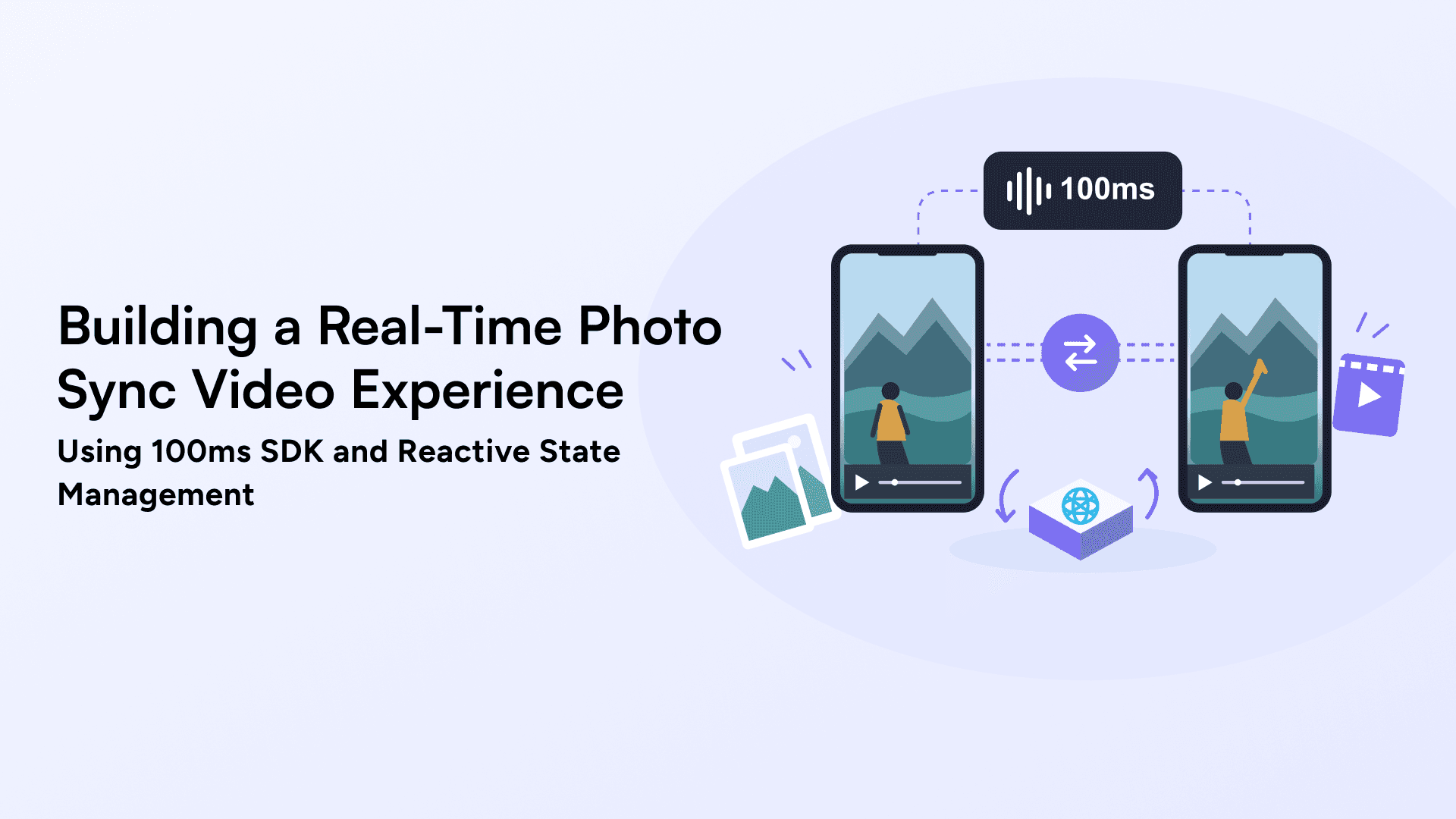
Building a Real-Time Photo Sync Video Experience Using 100ms SDK and Reactive State Management
Oct 15, 2026

Building a Real-Time Photo Sync Video Experience Using 100ms SDK and Reactive State Management

This blog explains how to build a real-time video experience with synchronized photo sharing, chat, and reactive state management using the 100ms SDK.

Insight
Taming Elasticsearch at Scale
Oct 13, 2026

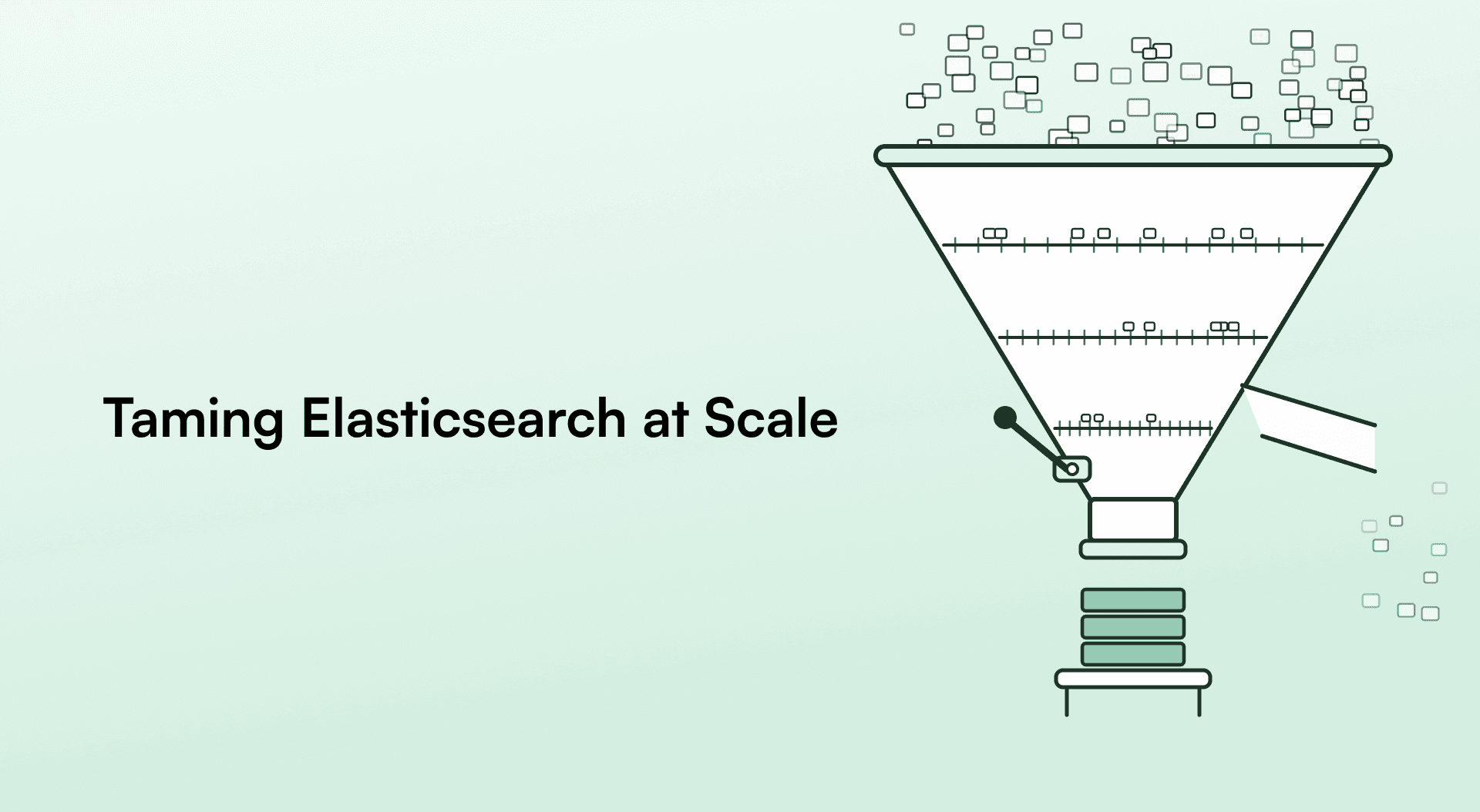
Taming Elasticsearch at Scale

Optimize Elasticsearch for millions of records with better pagination, leaner payloads, efficient filtering, faster ingestion, and frontend techniques that keep search responsive with increase in data.

Insight
Deep Linking for Mobile Apps(React Native) with NestJs, AWS CloudFront, S3 & ALB: A Complete Guide
Oct 13, 2026

Deep Linking for Mobile Apps(React Native) with NestJs, AWS CloudFront, S3 & ALB: A Complete Guide

Build a self-hosted deep linking and referral system for React Native without a third-party SDK. This guide covers Android App Links, iOS Universal Links, an S3 and CloudFront setup, and a NestJS backend that routes users to the right app store.

Insight
How We Engineered a Three-Path Reward Processing System for a Real-Time Sports Platform
Oct 12, 2026

How We Engineered a Three-Path Reward Processing System for a Real-Time Sports Platform

This blog explains how a real-time sports platform uses synchronous, asynchronous, and scheduled processing paths to handle rewards without slowing down the player experience.

Insight
Building an MCP-Powered QA Agent
Oct 12, 2026

Building an MCP-Powered QA Agent

Build an MCP QA agent that runs Playwright tests, validates APIs, and analyzes failures through a controlled, auditable tool layer with human approval.

Insight
From Test Failure to Root Cause: Building an AI-Assisted Playwright Failure Analysis Pipeline
Oct 9, 2026

From Test Failure to Root Cause: Building an AI-Assisted Playwright Failure Analysis Pipeline

This blog explains how an AI-assisted Playwright pipeline can analyze test failure evidence, identify probable root causes, and support human-validated debugging.

Insight
The Model Context Protocol: From First Call to Production
Oct 8, 2026

The Model Context Protocol: From First Call to Production

This blog explains how Model Context Protocol (MCP) works, from tool discovery and execution to OAuth authorization, security controls, and production deployment.

Footer

The Right Conversation Can

Save You Six Months.

Book a Call