
What Is Agentic AI?
Agentic AI refers to artificial intelligence systems endowed with agency—that is, the ability to make decisions, take actions, and pursue goals autonomously, rather than merely responding passively to user commands. Unlike traditional AI tools that execute predefined functions (“search this,” “apply that filter”), agentic AI operates more like a collaborator or assistant: continuously observing context, planning steps, adapting to changes, and refining its strategies over time.
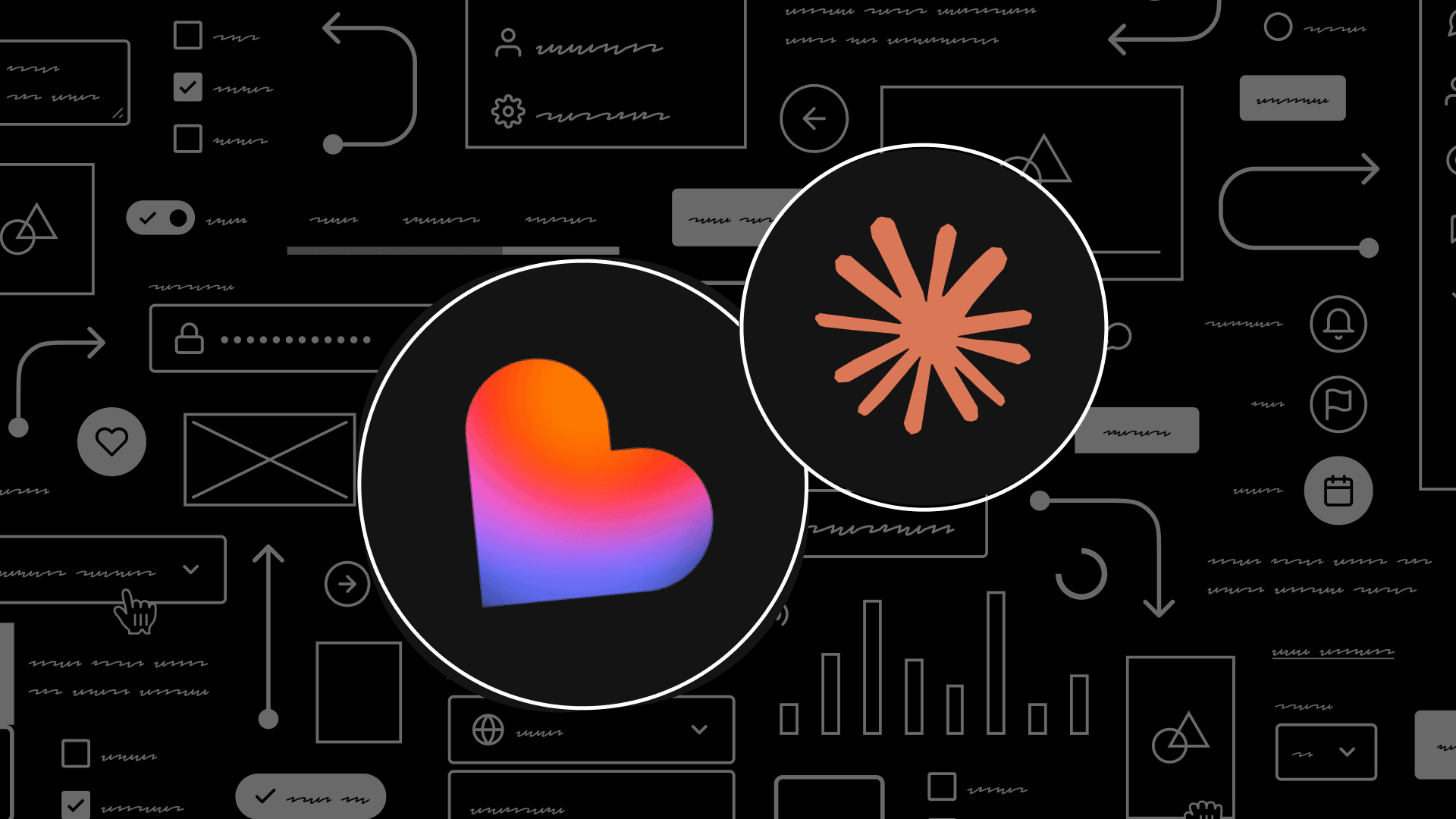
Claude, developed by Anthropic, exemplifies how agentic AI is evolving: its Claude 4 models (Opus 4 and Sonnet 4) bring advanced reasoning, extended tool use, parallel tool execution, and improved memory functions—letting it plan multi-step workflows and interact with external resources intelligently. Similarly, Lovable acts as a full-stack engineering agent: it can translate natural language prompts into complete web or app code, handling UI, logic, and deployment—all without manual coding
Key characteristics of agentic AI include:
- Goal-oriented autonomy: Initiates actions toward goals without explicit user triggers.
- Context-awareness: Grasps environmental, temporal, and task-based context to shape interventions.
- Adaptivity: Learns from feedback, modifies strategies, and evolves over time.
- Multi-step planning: Deconstructs complex workflows and orchestrates sub-actions to fulfill high-level objectives.
In essence, agentic AI transcends reactive tools to become proactive collaborators.
Everyday Applications: Empowering Designers Now
Even in daily workflows, designers can tap into emerging agentic AI features:
1. Prompt-Driven Creative Assistants
Generative AIs like Claude already display growing agentic traits. For instance, using Claude Sonnet 4, designers can engage in extended multi-step planning, brainstorming, and synthesis—all within a single conversational interface.
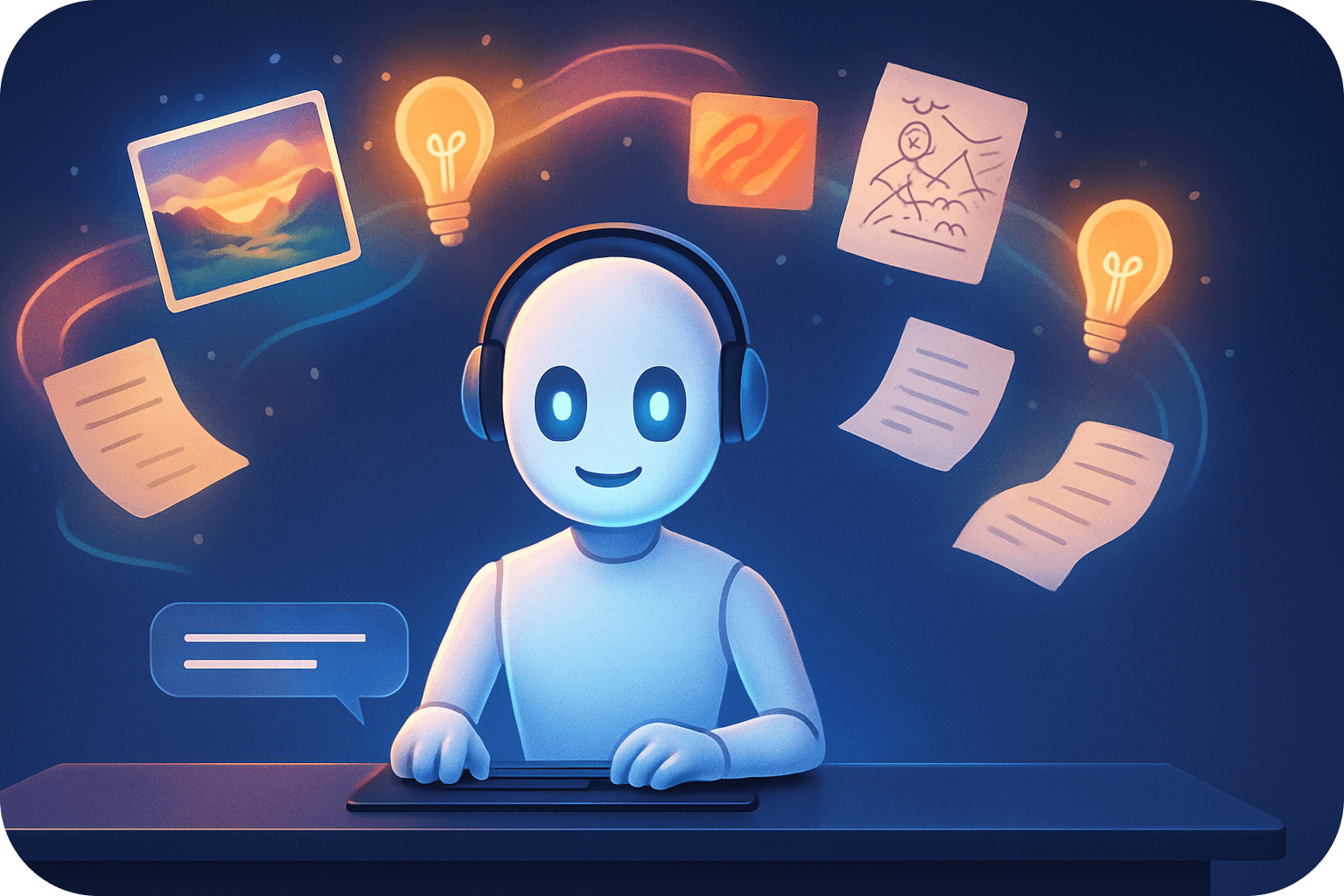
You could instruct: “Compose a mood board, suggest typography options, prototype a layout, then write accompanying messaging—all aligned with brand tone.”
Claude’s agentic design allows it to carry out these steps autonomously, refine based on feedback, and adapt its strategy mid-stream.
2. Smart Asset Management & Suggestions
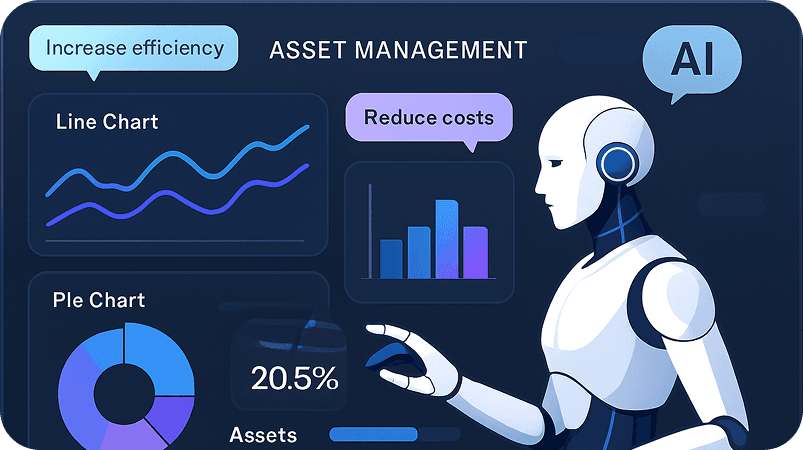
Imagine Lovable suggesting UI components and brand-consistent layouts as you sketch a prototype. As designers refine elements, the agent could suggest optimized placements, visuals, or text, even offering pre-generated placeholder variants—all based on context and user goals.
3. Workflow Automation
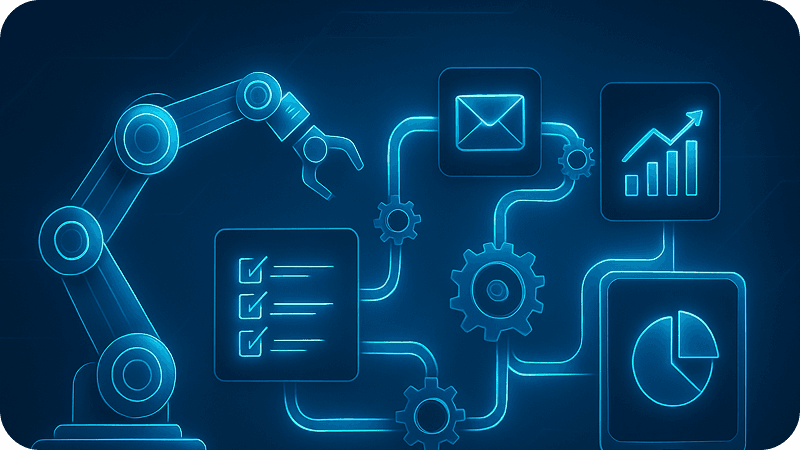
Claude’s analysis tool enables it to execute JavaScript code, analyze data, visualize outputs, and manage repetitive tasks like file exports or version tracking—all automatically. Meanwhile, Lovable’s new 2.0 features support multiplayer collaboration, chat-mode agent flows, and automated security scans—further reducing manual workload.
Scaling Up: From Small Tasks to Major Projects
Agentic AI shines in larger-scale, cross-disciplinary workflows:
1. Autonomous Research & Inspiration Gathering
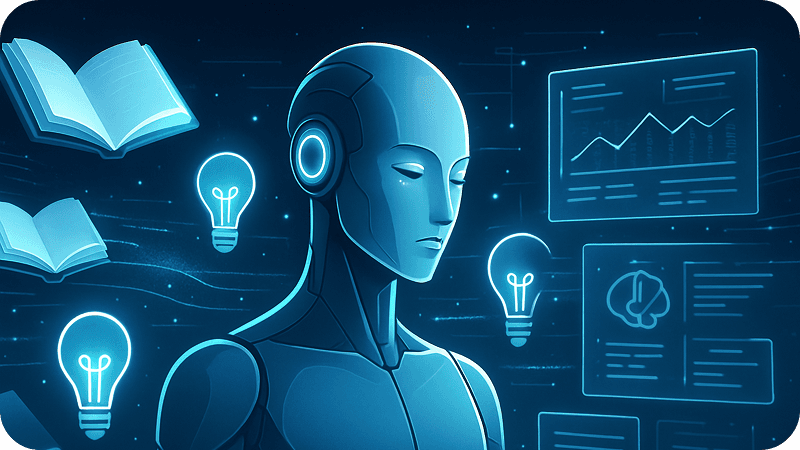
Designers exploring themes like minimalistic packaging can deploy an agentic system—like Claude—to crawl inspirational sources, cluster palettes and fonts, and curate mood-board suggestions autonomously based on brand ethos and audience insights.
2. Design System Orchestration
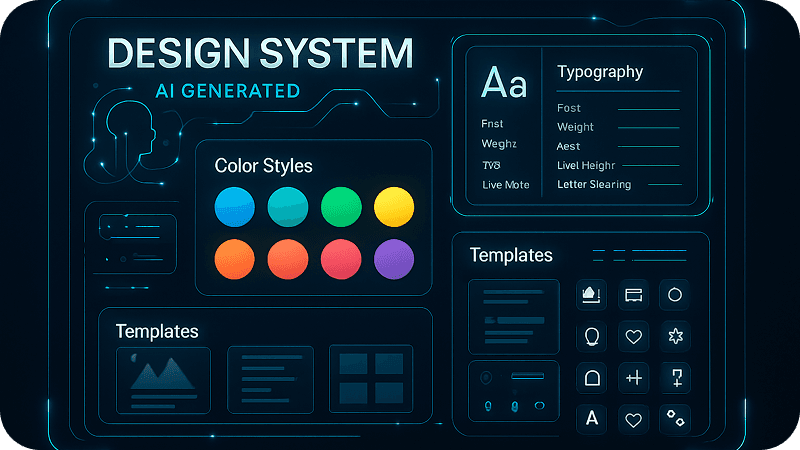
In enterprise environments, agentic tools like Lovable could scan multiple product lines, detect inconsistencies (e.g., button styles), recommend unified components, generate updates, and document changes across platforms automatically.
3. Cross-Disciplinary Project Coordination
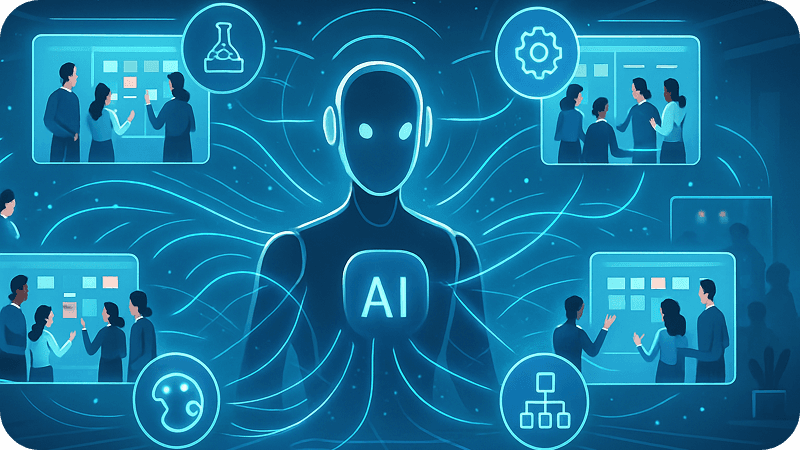
For multi-team campaigns, an agentic assistant can allocate tasks to specialists (designers, writers, analysts), generate creative assets, schedule deliverables, monitor performance, drive A/B testing, and iterate based on data feedback—managing the entire creative pipeline proactively.
4. Generative Co-Creativity

With Claude’s contextual memory extensions and Lovable’s generative design output, agents can propose multiple concept directions, gather feedback from designers or users, prioritize ideas, and continue refining top choices without replaying basic prompts.
Staying Future-Proof: Best Practices for Designers Using Agentic AI
To harness agentic AI while safeguarding design integrity:
1.Emphasize Human-in-the-Loop (HITL)
Always embed manual checkpoints. Even advanced tools like Claude may produce strong suggestions—but human review ensures alignment with creative vision, values, and emotional nuance.
2. Define Guardrails & Values
Set clear boundaries around tone, accessibility, brand voice, and culture. Lovable’s AI must respect design sensibilities; Claude should adhere to ethical objectives when generating content or code.
3. Auditability & Transparency
Both Claude and Lovable should log decision paths—i.e., why a design choice was proposed or which code flow was selected—so designers can review, learn, and refine their pedagogy over time.
4. Modular, Interpretable Components
Avoid monolithic agentic systems. Use modular blocks (e.g., mood-board generation, style suggestion, file batching) that can be debugged, replaced, or upgraded independently.
5. Choose Open Standards & Interoperability
Favor tools supporting open APIs and standard design formats—Lovable integrates across Figma, Supabase, etc. and Claude offers API access too. This ensures that work stays portable, and fallback options remain available.
6. Keep Skills Sharp
Agentic AI won’t replace uniquely human strengths—storytelling, empathy, critique, artistic judgment. Continue building these to complement tool-assisted output.
7. Monitor & Learn from Agent Behavior
Watch for failure modes and limitations. Claude occasionally generates imprecise logic; Lovable’s prototype UIs may need refinement. Iterate prompts and configurations accordingly.
8. Stay Updated & Community-Savvy
Agentic AI evolves quickly. Monitor tool updates: Claude’s Opus/Sonnet 4 release (May 2025) introduced extended tool-use and better memory; Lovable’s growth, “vibe coding” boom, and increased valuation signal rising relevance
A Hypothetical Scenario: Agentic AI in Action
Agency Brief: A designer kicks off a sustainable skincare packaging campaign.
1. Brief Input
“Create luxury-yet-sustainable packaging visuals, generate mockups, write product copy, and deliver a rollout timeline.”
2. Autonomous Planning
Claude lays out phases; Lovable prepares initial mockups and code for presentation.
3. Inspiration & Ideation
Claude gathers visuals, extracts earthy palettes; Lovable iterates mockups and presents stylized concepts like “Minimal Earthy.”
4. Generating Options
Both agents generate layout options, choose typography, and explain design rationale.
5. Review & Iteration
Designer picks two concept paths; Claude refines messaging, Lovable packages a presentation deck with export-ready assets.
6. Project Orchestration
Agents schedule deadlines, version assets, remind stakeholders, trigger security scans, and log decisions for human review.
Final Thoughts
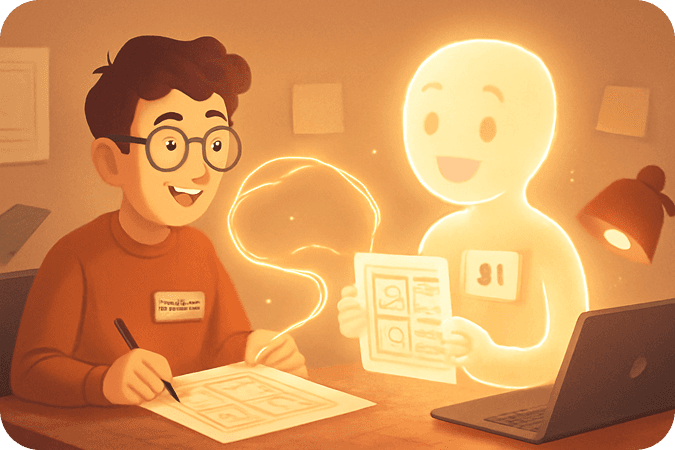
Agentic AI marks a fundamental leap—from reactive helpers to proactive collaborators. Tools like Claude 4 (with extended tool use and memory) and Lovable (enabling vibe coding and app generation) illustrate how designers can trust AI to plan, act, and refine. This elevates productivity, consistency, and creativity—from instant inspiration to orchestrating complex, multi-disciplinary projects.
But human design remains irreplaceable. Prioritize guardrails, transparency, modular design, and continuous learning. By embracing agentic AI mindfully, designers can stay future-proof—retaining creative leadership while letting AI power elevate their impact.