
Every time Apple hosts an event—especially WWDC (Worldwide Developers Conference)—it does more than just launch products. It sets the tone for the future of digital design and user experiences across the industry. Apple is not just a hardware or software company; it is a tastemaker. Designers, developers, and tech companies worldwide closely watch its every move to align their products with the standards Apple either introduces or redefines.
The 2025 WWDC was no different. With the unveiling of visionOS 2, iOS 19, macOS Sequoia, AI integrations via Apple Intelligence, and further refinements in spatial computing, the event has raised important questions: Will design standards shift again? Are we entering a new paradigm for interface design, user interaction, and accessibility? Or is this simply an evolution, not a revolution?
Let’s break down the implications—both technically and humanistically.
Technical Shift: The Rise of Spatial and Contextual Interfaces
One of the biggest technical takeaways from WWDC 2025 is the continued investment in spatial computing, especially with the Vision Pro gaining traction and the release of visionOS 2. For designers and developers, this means that we’re moving from designing on flat, 2D canvases to designing in 3D space.
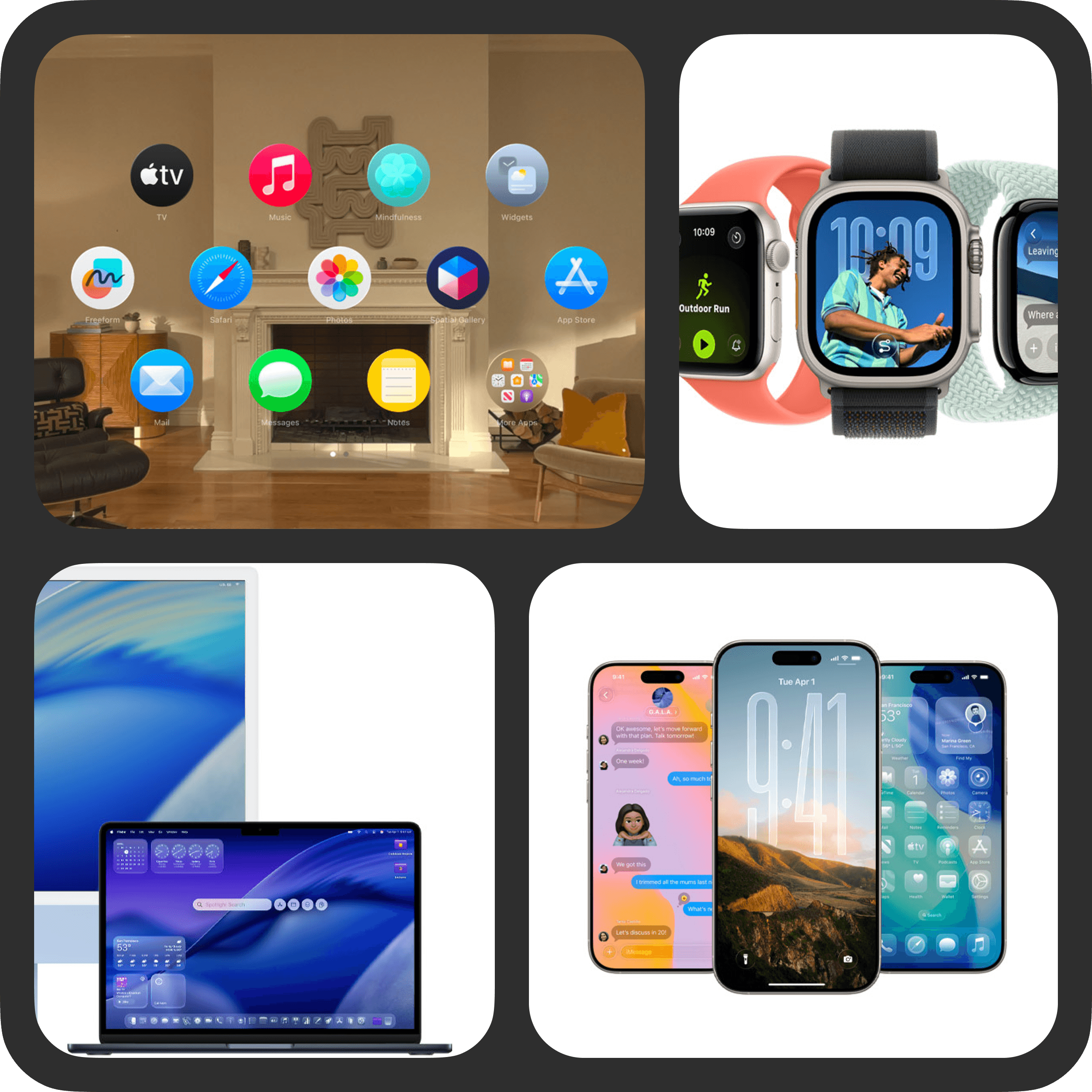
- Design Paradigm Shift: Traditional mobile or desktop interfaces rely on fixed spatial planes—essentially pixels on screens. With visionOS, you’re now designing volumetric interfaces. That means buttons, menus, and other components need to be thought of in layers of depth, distance from the user, and even their contextual appearance depending on where the user is looking.
Design Systems Need Flexibility: Figma files with fixed grids and rigid typographic hierarchies won’t cut it. Designers will need to build modular components that adjust seamlessly to dynamic contexts. This is more than responsive design—it’s adaptive intelligence design.
The AI Layer: Apple Intelligence
Apple officially stepped into generative AI with Apple Intelligence, their suite of integrated AI features across iOS, iPadOS, and macOS. Though not flashy like some competitors, Apple’s approach is deeply user-centric, placing privacy and on-device intelligence at the core.
From a design standpoint, this has two major effects:
- Dynamic Interfaces: Instead of designing one-size-fits-all experiences, Apple is hinting toward context-aware interfaces that adapt based on user behavior, time, task, or even emotional state. For example, Siri summarizing your emails differently in the morning versus the evening, or interfaces adapting based on urgency.
The Human Layer: Emotion, Privacy, and Intentionality
Despite the technical advancements, Apple still deeply roots its innovation in human values: privacy, simplicity, and emotional resonance.
Human-First Design Challenge: This also requires a new layer of empathy. Designers must consider ergonomics of gaze, eye fatigue, motion sickness, and cognitive overload. Unlike phones, where swiping and tapping are natural, spatial interfaces demand intuitive gestures, voice-based interactions, and gaze-based control. Accessibility, already a crucial pillar in UI/UX, will now require even more creativity to make 3D spaces usable for everyone.
- Intentionality Over Novelty: Apple didn't rush to slap generative AI across all apps. Instead, it focused on "meaningful intelligence"—AI that enhances, not replaces. This sends a message to designers: don't use technology just because it's trendy. Use it when it genuinely improves the user’s life.
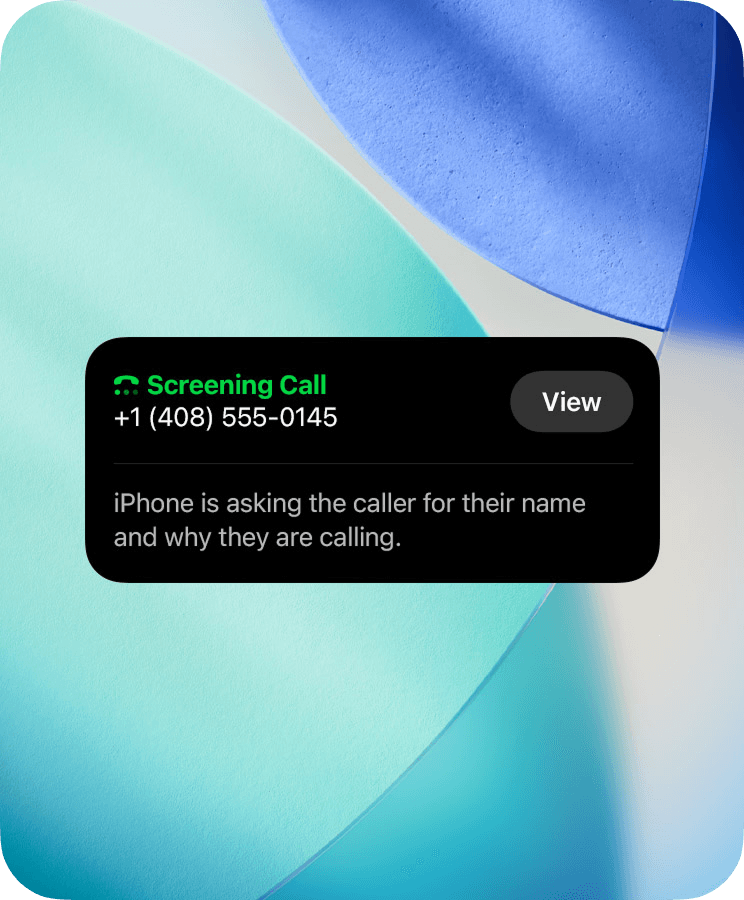
- Privacy by Design: With “Private Cloud Compute,” Apple designed a secure hybrid AI model, processing sensitive tasks on-device and offloading heavier tasks to Apple’s servers only when necessary. For UX professionals, this introduces a new standard: privacy-aware design. When and how user data is used must be transparently communicated, visually and contextually.
- Emotional Experience Design: From redesigned journaling features to ambient mood controls in spatial environments, Apple continues its mission to humanize technology. This challenges designers to design for emotion, not just efficiency. Whether it’s the joy of discovering a new AI feature or the comfort of a simplified task flow, emotional intelligence is the next frontier.
The Human Layer: Emotion, Privacy, and Intentionality
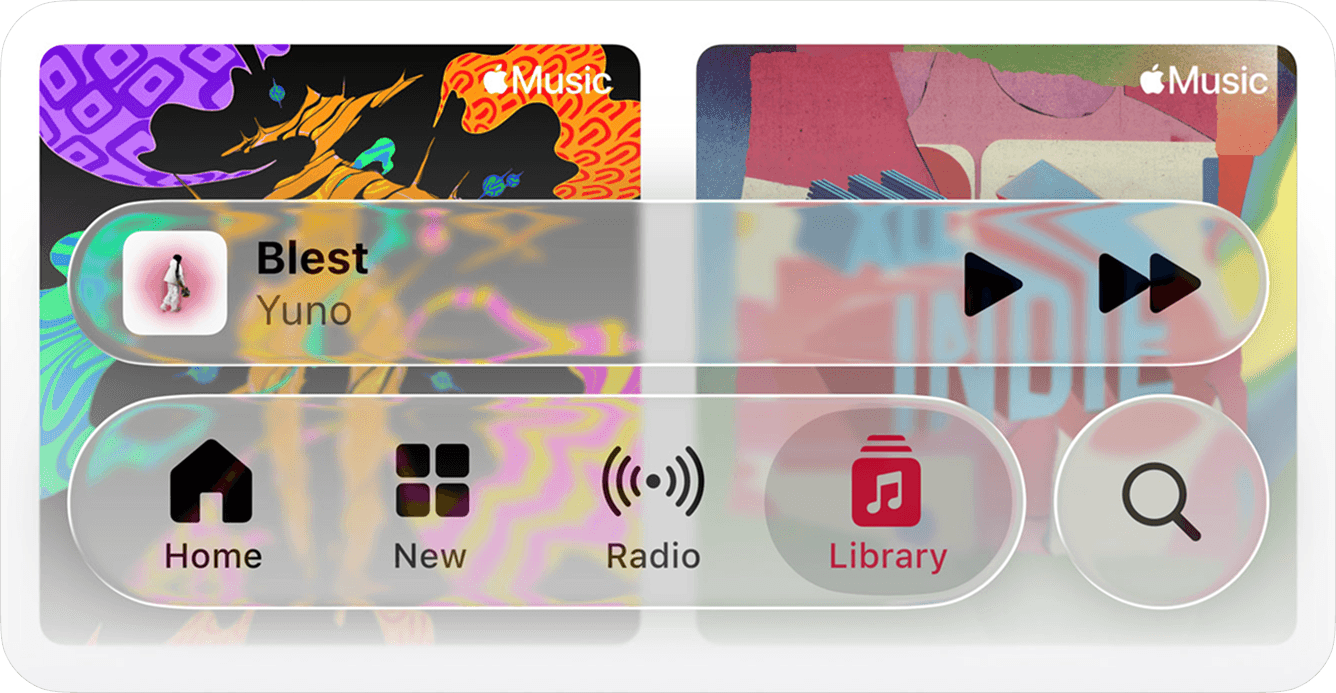
With iOS 19 and macOS Sequoia, there’s been a subtle but powerful shift toward fluid interactions—transitions are smoother, animations feel more “alive,” and every movement serves a purpose. This is especially evident in multitasking gestures on iPad and window management on macOS.
For designers and motion experts:
- Speed, Rhythm, and Weight of animations are becoming as important as colors and typography.
- Micro-interactions will increasingly be the place where brand identity is felt—not just seen.
- Expect to see more teams creating cross-platform tokens, voice UI variants, gesture libraries, and 3D object guidelines.
- Typography, color, spacing, and iconography need to function across not just screen sizes—but entirely different dimensions and input methods.
Design Systems Must Now Be Omnichannel
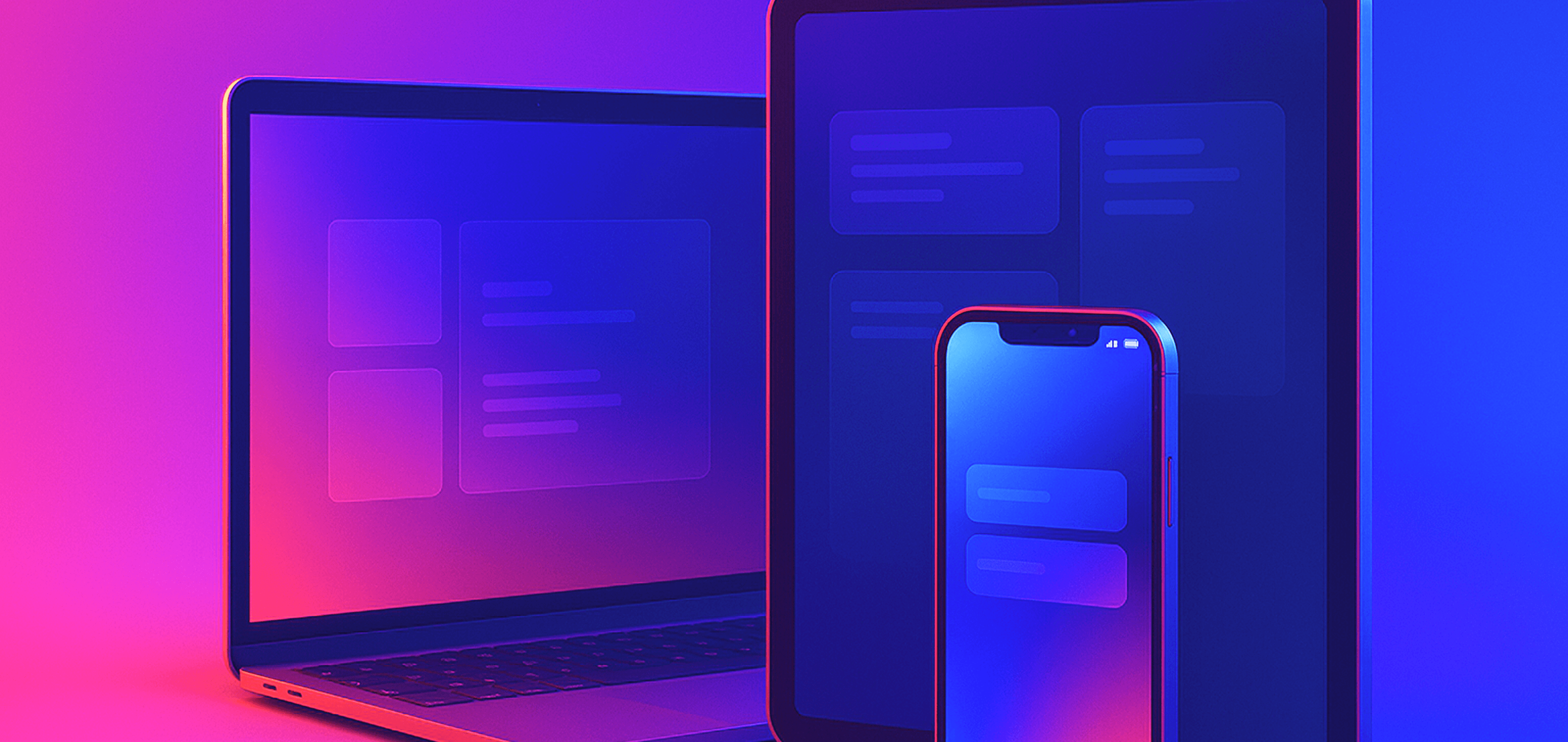
Apple's ecosystem is becoming more cohesive yet diverse: iPhone, iPad, Mac, Vision Pro, Apple Watch—all offer unique interaction models. But users expect seamless continuity between them. That puts immense pressure on design systems.
These elements must now translate across 2D, 3D, and even voice or AI-driven surfaces. Think: How does a brand “feel” when Siri speaks for it?
So, Will Design Standards Change?
Yes, they are already evolving. But this isn't a teardown of current practices—it’s a gentle, calculated shift that respects the foundation while encouraging new exploration.
Here's what will likely happen:
- Adoption of Spatial and Multimodal Design: Those working in AR/VR, 3D, or immersive media will need to skill up. But even 2D app designers will have to consider how their designs fit into a broader ecosystem that includes spatial UI.
- Ethics and Emotion at the Core: Privacy, personalization, and emotional value will become fundamental pillars in product design briefs—not afterthoughts.
AI as a Design Partner, Not a Feature: Interfaces will get more conversational, predictive, and helpful. Designers and PMs will start designing for AI behaviors—not just static screens.
Conclusion: Adaptation Is Inevitable—And Exciting
The latest Apple event is not just a product launch. It's a signal to all digital creators: The future is intelligent, spatial, and human-centered. For designers, this is both a challenge and a privilege. Yes, standards are shifting—but the core values remain: Empathy. Clarity. Purpose.
It’s time to expand our toolkits, reimagine our workflows, and start thinking beyond screens. Because in Apple’s world—and increasingly ours—the interface is no longer where design ends. It’s where human experience begins.