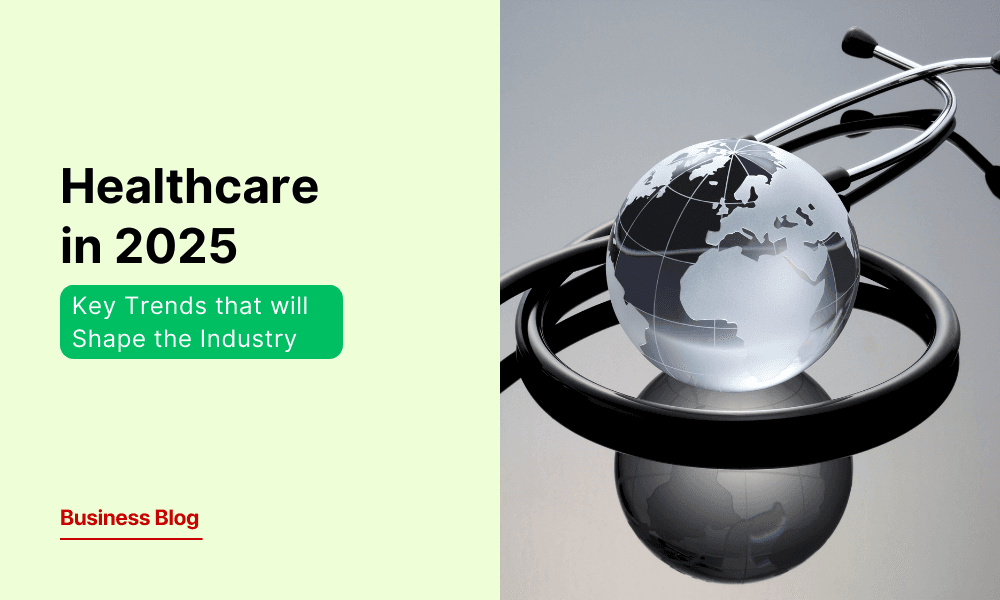

In 2025, technology will no longer be a supporting act in healthcare—it will be the driving force behind a revolution. AI-powered diagnostics, wearable devices, and personalized care plans are setting new standards in precision and accessibility. Clinics, digital health platforms, and medical technology are shedding inefficiencies to create a smarter, faster, and patient-centred future.
TataMD is leading this transformation, leveraging AI and digital tools to bridge critical gaps in traditional care. With innovations like AI-powered diagnostics and personalized health metrics, TataMD exemplifies how technology is reshaping healthcare, empowering providers, and improving patient outcomes.
Problem Statements in Healthcare
The Chronic Disease Burden
Chronic diseases remain a significant challenge, with six out of ten adults in the U.S. living with such conditions. This rising burden demands continuous monitoring, frequent check-ups, and tailored care plans, which traditional models struggle to support. For example, managing diabetes often requires daily blood sugar tracking, medication adjustments, and lifestyle interventions. Without seamless coordination, patients face poorer outcomes and avoidable complications.
Inefficiencies in Traditional Models
Traditional healthcare systems are riddled with inefficiencies. Siloed data repositories, offline consultations, and manual workflows hinder timely decision-making and limit access to quality care. Consider a scenario where a physician spends hours retrieving fragmented patient histories—a process that delays treatment and adds frustration for both doctors and patients.
Moreover, with the growing need for secure data handling, many systems lack robust frameworks to protect sensitive patient information, exposing healthcare providers to compliance risks and eroding trust in the system.
Solution-Oriented Advances
AI-Driven Transformation
Artificial intelligence is revolutionizing healthcare. TataMD, for instance, uses AI to turn audio consultations into actionable clinical documentation, enabling doctors to focus on patient care rather than administrative tasks. AI-driven tools also draft structured SOAP notes, recommend treatment pathways, and predict outcomes, enhancing clinical efficiency and accuracy.
In resource-limited settings, AI’s capabilities become even more impactful. For example, a rural clinic equipped with AI diagnostics can detect and treat early-stage illnesses, bridging the gap between limited medical resources and patient needs.
Personalized and Accessible Care
Tools like TataMD’s Master Care Planogram and True Wellness Meter deliver highly personalized care plans by leveraging real-time health data from wearable devices. These innovations ensure that treatment adapts dynamically to patient-specific needs, improving adherence and outcomes.
Unified platforms offering both virtual and in-person consultations have also become the cornerstone of accessible healthcare. Patients now can track their health journeys, access test results, and consult specialists on a single platform—a seamless experience that fosters trust and transparency.
Top 5 Tech Trends in Healthcare
Digital Nerve Centers (DiNC)
Digital Nerve Centers are redefining patient engagement with AI-powered virtual tools that operate round-the-clock. These centres automate routine tasks like appointment scheduling and medication reminders while leveraging real-time monitoring to detect health risks early. For instance, a Digital Nerve Center could flag irregular heart activity from wearable data, enabling immediate intervention and reducing the risk of hospitalization.
Remote Patient Monitoring
Remote monitoring solutions, integrated with wearable devices and electronic health record (EHR) systems, are transforming chronic disease management. Continuous analytics allow providers to proactively manage high-risk patients, predict complications, and adjust care plans on the go. For example, a cardiology practice might use remote monitoring to track post-surgery recovery, ensuring timely interventions if complications arise.
Predictive Analytics in Healthcare
Predictive analytics is emerging as a powerful tool to foresee health trends and manage risks proactively. By analyzing vast datasets, healthcare providers can identify patterns and predict outbreaks, patient deterioration, or chronic disease progression. For example, Cleveland Clinic uses predictive models to anticipate heart failure risks, enabling timely interventions. Predictive analytics transforms reactive care into proactive, life-saving strategies.
Telehealth Expansion with 5G
The integration of 5G technology into telehealth is redefining remote consultations. Faster data speeds and lower latency allow for real-time video consultations, high-resolution imaging, and even remote surgeries in some cases. For example, with 5G, surgeons can guide robotic systems to perform precise procedures. This capability expands telehealth from simple consultations to complex care delivery.
Digital Therapeutics (DTx)
Digital therapeutics deliver evidence-based therapeutic interventions through apps or software, targeting chronic conditions like diabetes, insomnia, and mental health disorders. Pear Therapeutics, for instance, has developed FDA-approved DTx programs to complement traditional treatments. These solutions empower patients with personalized tools for self-management, enhancing adherence and outcomes.
The Role of Compliance in Health Tech
Data Privacy and Security
As digital tools proliferate, safeguarding patient data is paramount. Adhering to HIPAA guidelines ensures the secure handling of patient health information (PHI), whether at rest or in transit. Robust encryption and data masking practices further protect sensitive interactions, mitigating risks of breaches and building trust in digital platforms.
AI Governance
Ethical AI implementation is critical to maintaining trust. Transparent consent mechanisms for data processing, along with adherence to international privacy standards, ensure that AI tools remain reliable and compliant. TataMD’s focus on these principles reinforces its position as a trusted innovator in the healthcare space.
Futuristic Roadmap
Industry Buzz
By 2030, healthcare will be deeply rooted in value-based care models powered by AI and automation. According to a recent report by McKinsey & Company, telemedicine usage is projected to increase significantly, with AI-driven solutions leading advancements in diagnostics and remote care. Trends like advanced diagnostics, telemedicine expansion, and AI-driven home care solutions will dominate the industry. For instance, a Forbes article highlights how AI bots capable of diagnosing complex conditions and contextualizing treatments are expected to become integral to healthcare delivery.
Additionally, ecosystems that combine AI, IoT devices, and personalized medicine will redefine chronic disease management. As noted by a Deloitte Insights report, these interconnected systems offer a holistic approach to patient care, improving efficiency and outcomes across the board.
Conclusion
In 2025, healthcare is transforming with advancements in AI, remote monitoring, and personalized care. These technologies emphasize precision, accessibility, and patient-centric outcomes, yet significant challenges persist. Bridging the gap between traditional systems and emerging technologies, ensuring ethical AI implementation, and promoting equitable access are vital to unlocking the full potential of this transformation.
The future lies in integrated ecosystems powered by AI, IoT, and personalized medicine—driven by startups and established companies. This evolution goes beyond innovation, delivering impactful, fair, and patient-focused solutions that redefine global healthcare.
GeekyAnts, with its expertise in crafting innovative digital solutions, plays a pivotal role in this shift. By empowering healthcare providers with cutting-edge tools, GeekyAnts helps shape a future where care is seamless, efficient, and truly patient-first.