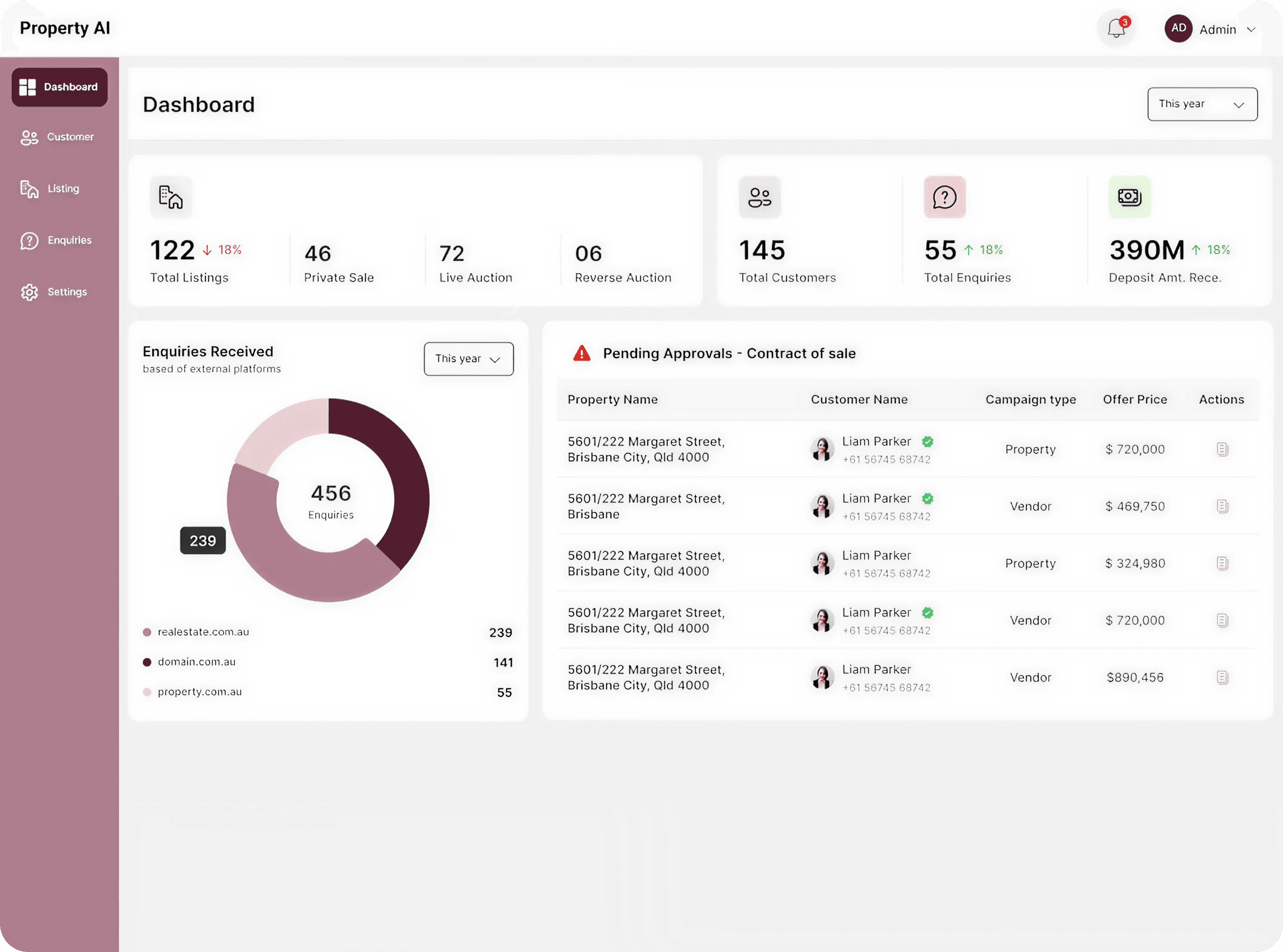
Property AI
How GeekyAnts helped a real estate company enhance property inspections with AI chatbots, QR code intelligence, and a production-grade RAG system.




About the Client
The client is a real estate company that is introducing an AI-based web search for property listings.
About the project
Overview
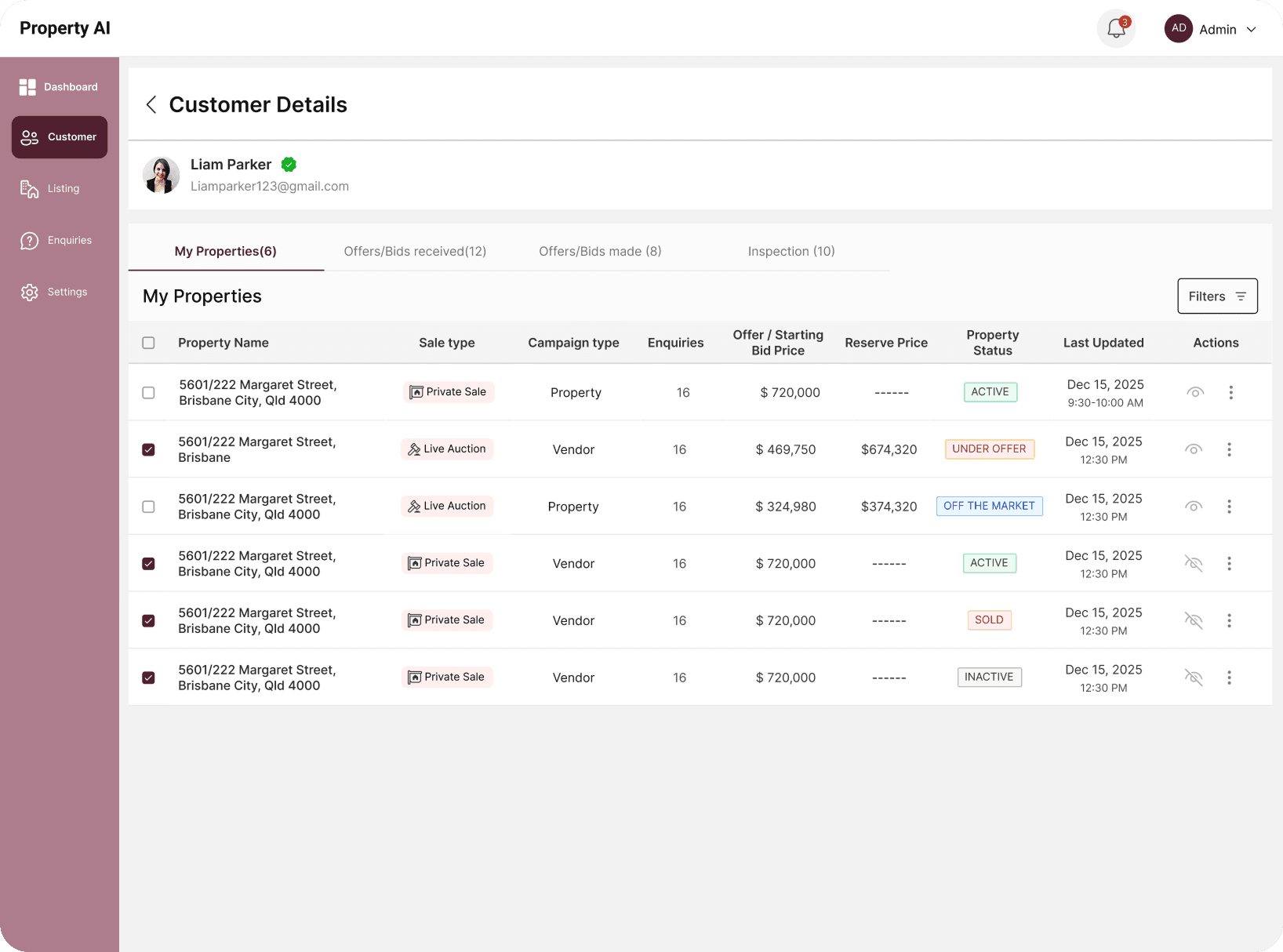
GeekyAnts developed a unified, production-grade AI ecosystem designed to revolutionize the property inspection experience. By integrating an Inspection Chatbot and a QR Code Assistant into the client’s existing app, the solution bridges the gap between physical tours and digital data retrieval.

BUSINESS REQUIREMENT
The business requirements included:
1. Inspection Chatbot (Text + Voice Input)
- Purpose: Enable real-time AI assistance for buyers during physical property tours.
- Access: Available via in-app chat with support for hands-free voice input (STT).
- Data Integrity: Must use the same property data source as the enquiry responder for consistency.
- Reliability: Answers general property and surroundings questions; must defer to an agent if confidence is low.
- Privacy: Strict security protocol ensures no voice data storage after processing.
2. AI QR Code Assistant
- Purpose: Provide instant, interactive property insights via physical QR scans.
- Automation: Automatically recognizes Property IDs to load and summarize details instantly.
- Engagement: Allows follow-up questions and surfaces AI-generated highlights (e.g., key features, nearby sales).
- Continuity: Integrates with existing data and maintains session context for a seamless user journey.
CHALLENGES IN EXECUTION & SOLUTIONS
To deliver a production-grade AI application, we addressed three critical technical hurdles. We began by implementing a lightweight geolocation solution that dynamically generates Google Maps links using available latitude, longitude, and address metadata. This approach avoids external API overhead while ensuring seamless navigation for users.
To maintain a live knowledge base for our RAG architecture, we developed a dedicated API endpoint that automatically triggers background queues whenever data changes. This ensures that vector embeddings are updated in near real-time without blocking core application workflows.
Finally, we engineered fault-tolerant ingestion pipelines to reliably process PDFs from both remote URLs and local file uploads. By combining robust validation and in-memory processing, we ensured high-fidelity text extraction across all sources, providing a stable foundation for the FastAPI backend to serve accurate, context-aware responses.
Generating Google Maps Links Without Using a Third-Party API
Keeping Vector Embeddings in Sync with Changing Data
Reliably Ingesting PDFs from Multiple Sources
OUR SOLUTION
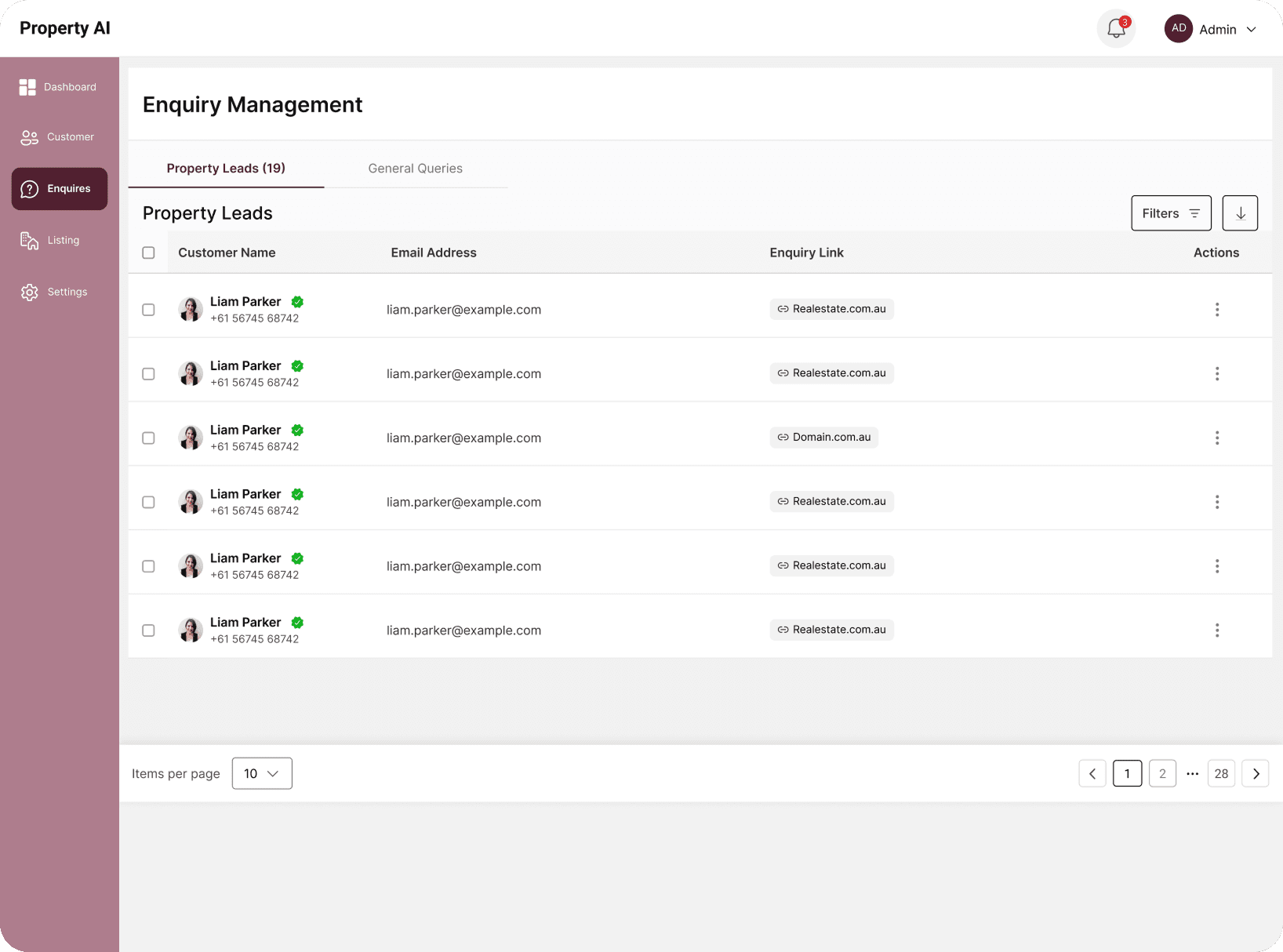
GeekyAnts proposed a unified, AI-powered assistant integrated into the client’s app to support property inspections and QR code–based interactions. The solution uses a shared property knowledge layer to deliver accurate, context-aware answers via text and voice, securely processes user inputs, and maintains session context for follow-up questions.
A confidence-based fallback ensures the AI defers to human agents when needed, while scalable, asynchronous processing keeps property data and AI responses up to date.
OUR APPROACH
To deliver a production-grade AI application, we adopted a structured, modular approach designed to transition the project from initial concept to a scalable, production-ready system within a focused timeline.
- Conducted detailed discussions with stakeholders to understand business goals, user journeys, and data sources.
- Identified key use cases such as property-specific Q&A, generic document search, and admin-controlled knowledge updates.
- Finalized success criteria, scope, and non-functional requirements (performance, accuracy, security).
- Approved solution scope and technical requirements.
RESULTS
Although still in development, the AI-powered chatbot is already delivering accurate, document-based responses to property queries, validating the effectiveness of our underlying RAG architecture. Early testing confirms that our document ingestion, chunking, and semantic search workflows are producing highly relevant and consistent results.
By successfully reflecting recent data updates through automated embedding synchronization, the system ensures information remains current. This progress allows internal stakeholders to validate workflows early, effectively reducing risk and ensuring strategic alignment well before the final rollout.