
Performance and Security Optimization
Why Performance And Security Modernization Matters
Conversion Loss
Data Breach Costs
User Abandonment
Brand Damage
Legal Penalties
Downtime Costs
Our Performance And Security Services
- Application portfolio analysis
- Infrastructure dependency mapping
- Cost-benefit analysis and TCO calculations
- Risk assessment and mitigation strategies
- Distributed tracing with OpenTelemetry
- Metrics collection and visualization (Prometheus, Grafana)
- Centralized logging (Loki, ELK stack)
- APM (Application Performance Monitoring)
- Security vulnerability assessments
- Penetration testing and remediation
- GDPR and HIPAA compliance implementation
- Encryption at rest and in transit
- Multi-region and multi-zone deployments
- Automated failover and recovery
- Backup and disaster recovery strategies
- Circuit breakers and retry mechanisms
Security Best Practices
Performance Optimization Strategies
Frontend
- Code splitting
- Lazy loading
- Image optimization
- Tree shaking
- Service workers
Backend
- N+1 query elimination
- Connection pooling
- Async processing
- Rate limiting
- Batch operations
Database
- Index optimization
- Query tuning
- Materialized views
- Read replicas
- Partitioning
Infrastructure
- Auto-scaling
- Load balancing
- CDN integration
- Caching layers
- Edge computing
Tools We Use for Performance and Security Modernization




Modernization Pillars
Our Latest Thinking
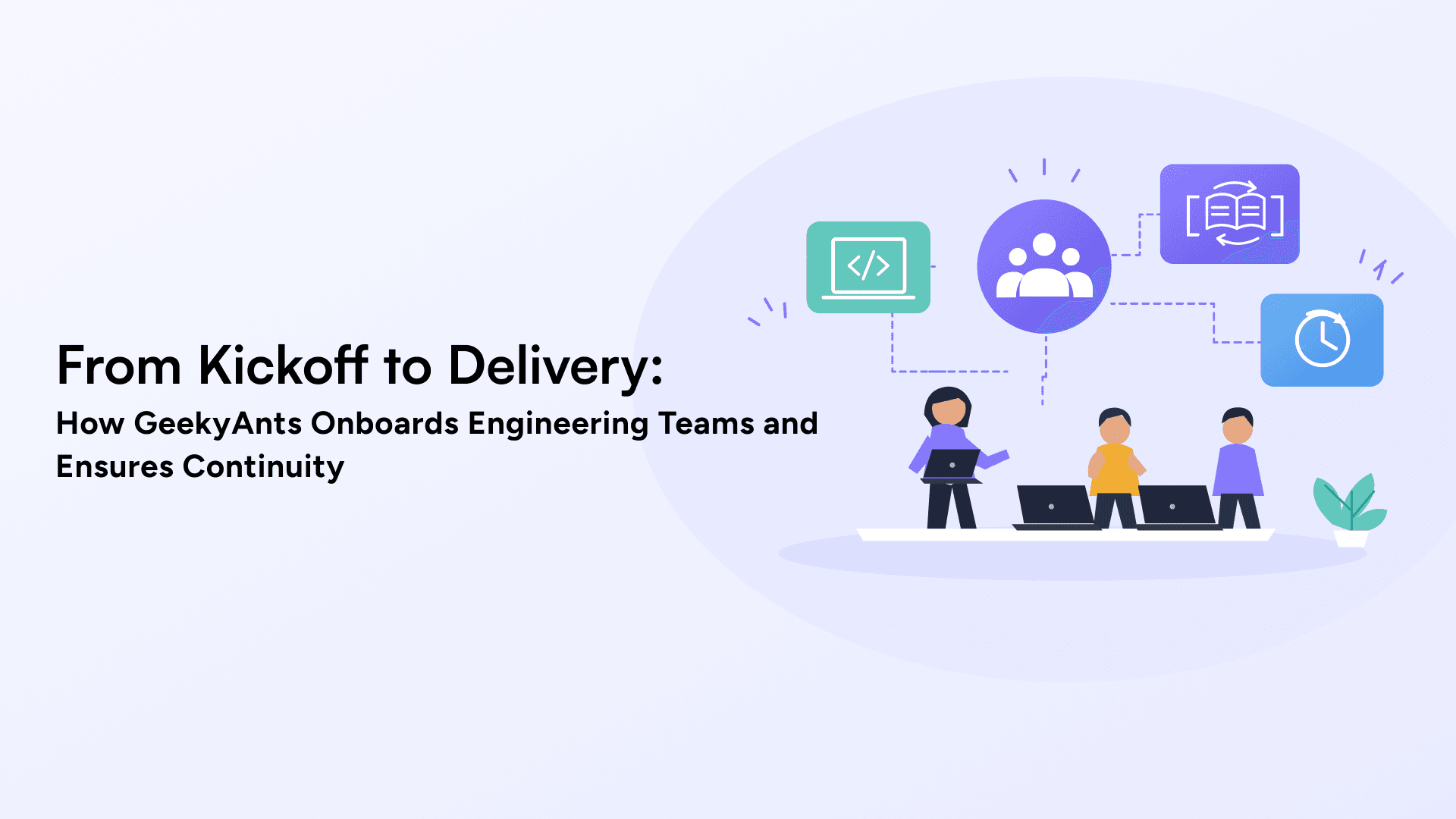
From Kickoff to Delivery: How GeekyAnts Onboards Engineering Teams and Ensures Continuity
This blog explains how GeekyAnts onboards engineering teams through structured ramp-up, knowledge transfer, replacement planning, and continuity practices.
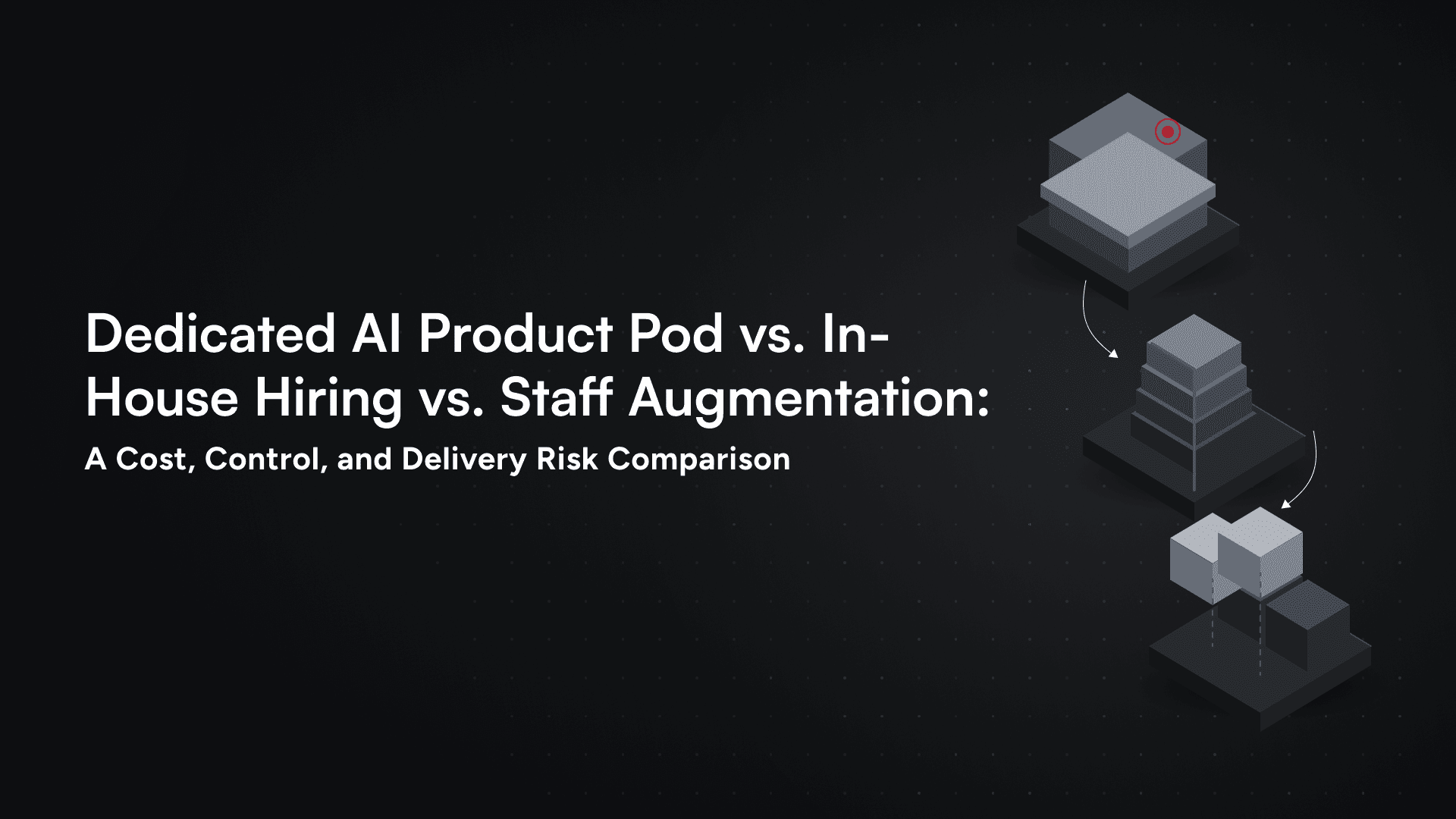
Dedicated AI Product Pod vs. In-House Hiring vs. Staff Augmentation: A Cost, Control, and Delivery Risk Comparison
Compare dedicated AI product pods, in-house hiring, and AI staff augmentation across costs, delivery ownership, management effort, and risk to choose the right model for your product roadmap.
How GeekyAnts Manages AI Models After Launch to Maintain Security, Control, and Flexibility
AI models don’t stay predictable forever. Discover how GeekyAnts’ documented projects keep model changes in check, catch performance issues, protect sensitive data, and switch providers when requirements change or issues arise.
How GeekyAnts Evaluates AI Systems for Production Readiness
This blog explains how GeekyAnts evaluates AI systems for accuracy, security, bias, cost, and performance before production, supported by real project examples.
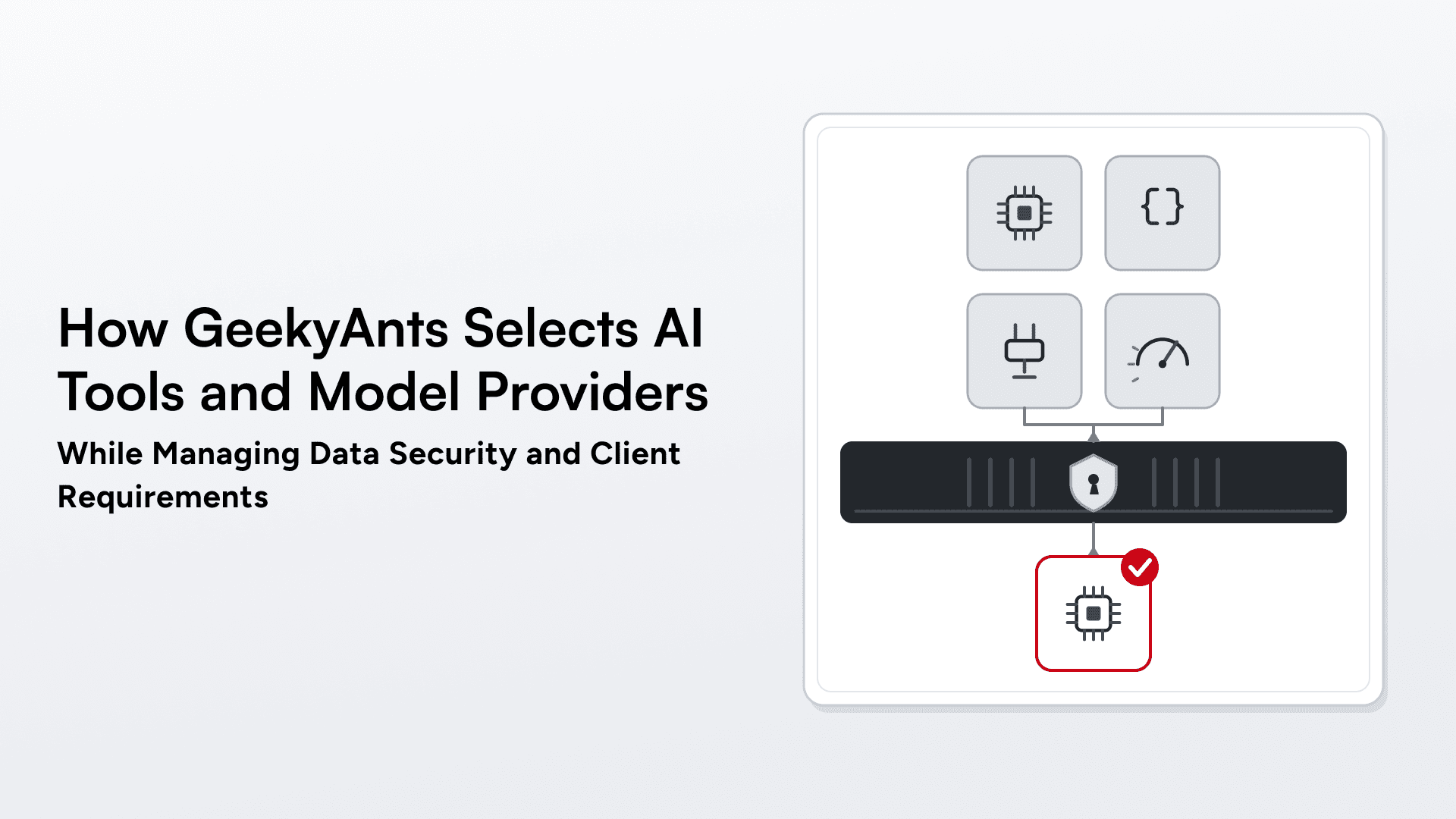
How GeekyAnts Selects AI Tools and Model Providers While Managing Data Security and Client Requirements
Explore the AI tools and model providers used in GeekyAnts’ documented projects, including Claude Code, Gemini, OpenAI, and Ollama. Learn how tool selection, data retention, subprocessors, hosting options, and client requirements shape AI adoption.
How GeekyAnts Uses AI in Software Engineering: From Requirements to Release
This blog explains how GeekyAnts uses AI across software development while maintaining human oversight, quality checks, and engineering accountability.
