
In construction, every second matters. Delays do not just slow projects down - they dive up cost money, waste resources, and increase the industry's carbon footprint. Despite tight deadlines, outdated workflows and sluggish data processing often make precision feel like a gamble.
Our client is changing the narrative. They are moving beyond automating tasks or speeding up calculations. They are rethinking construction technologies and designing a system that moves faster, adapts instantly, and scales effortlessly.
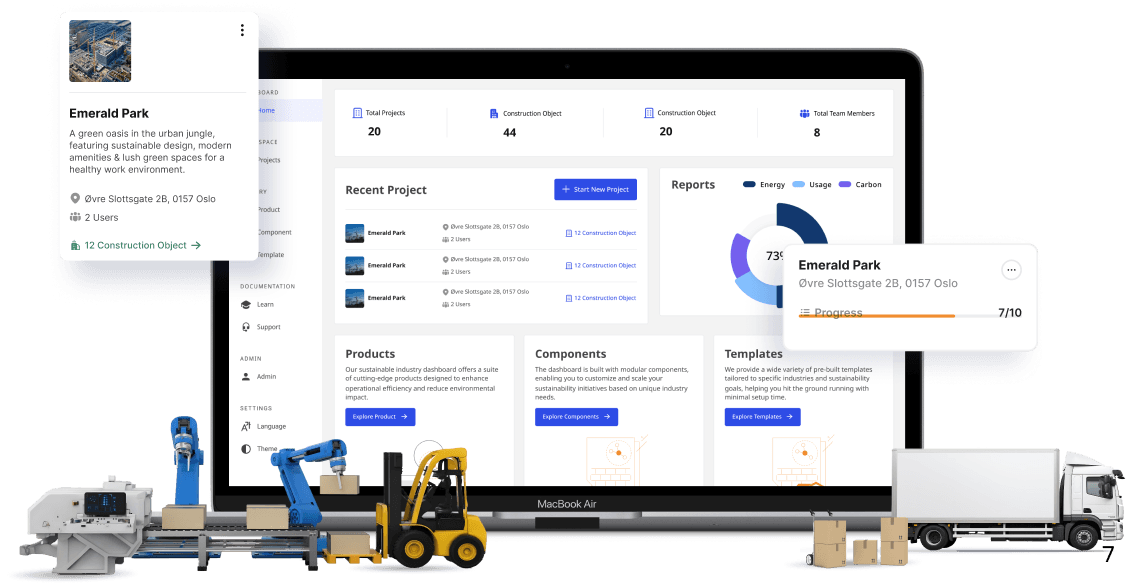
Engineering a System that Keeps Up with the Manufacturing Industry's Pace
infrastructure that could handle rising workloads, deliver instant insights, and process massive data streams without breaking a sweat.
The GeekyAnts team engineered this idea by upgrading their core architecture to ensure that, regardless of a project's complexity, the platform remains fast, responsive, and scalable.
We transitioned from V1 to V3. It was a complete performance transformation. Smarter BIM components and an optimized cloud framework now power real-time calculations, delivering instant results without lags. Caching improvements have slashed latency by 50%, keeping performance smooth even during peak usage.
Current Performance of the Application
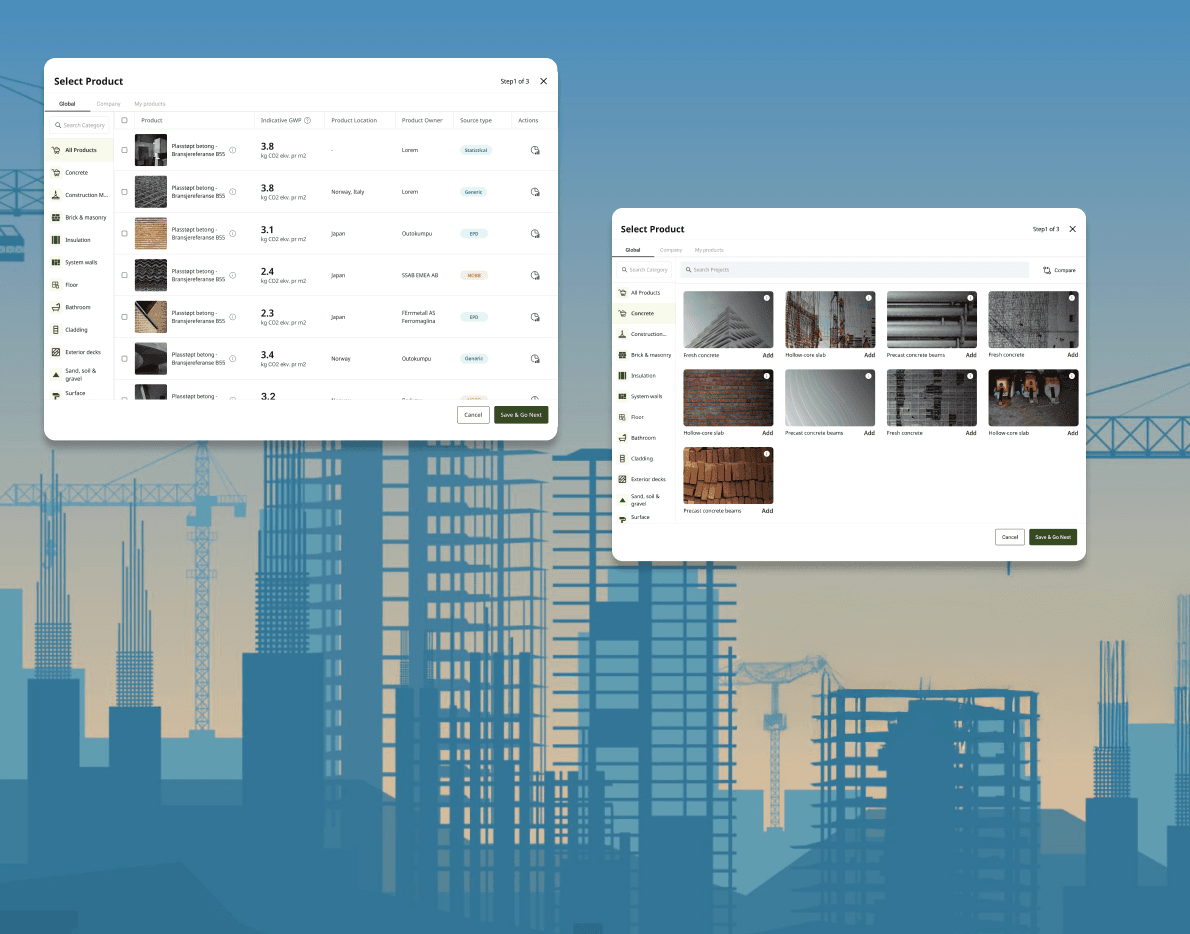
This application is not just accelerating workflows; it is making them intelligent. By automating data-heavy processes, teams can shift their focus from manual execution to strategic decision-making.
Real-time insights ensure companies have full control over project timelines, resource allocation, and cost efficiencies. Instead of reacting to problems after they occur, construction teams can now stay ahead of potential bottlenecks before they cause disruptions.
In an industry where time equals money, every optimization leads to faster rollouts, reduced overheads, and more sustainable construction practices. Companies already using the system report greater efficiency, fewer delays, and increased project stability.
The Next Phase
The foundation is in place, but the evolution is just beginning. The next step for our client is an AI-powered automation that does more than just improve process efficiency. It will predict challenges before they emerge, optimize workflows in real-time, and enhance resource planning with data-driven precision.