
Did you know that gamification can increase user engagement by 50%? Let's explore how…
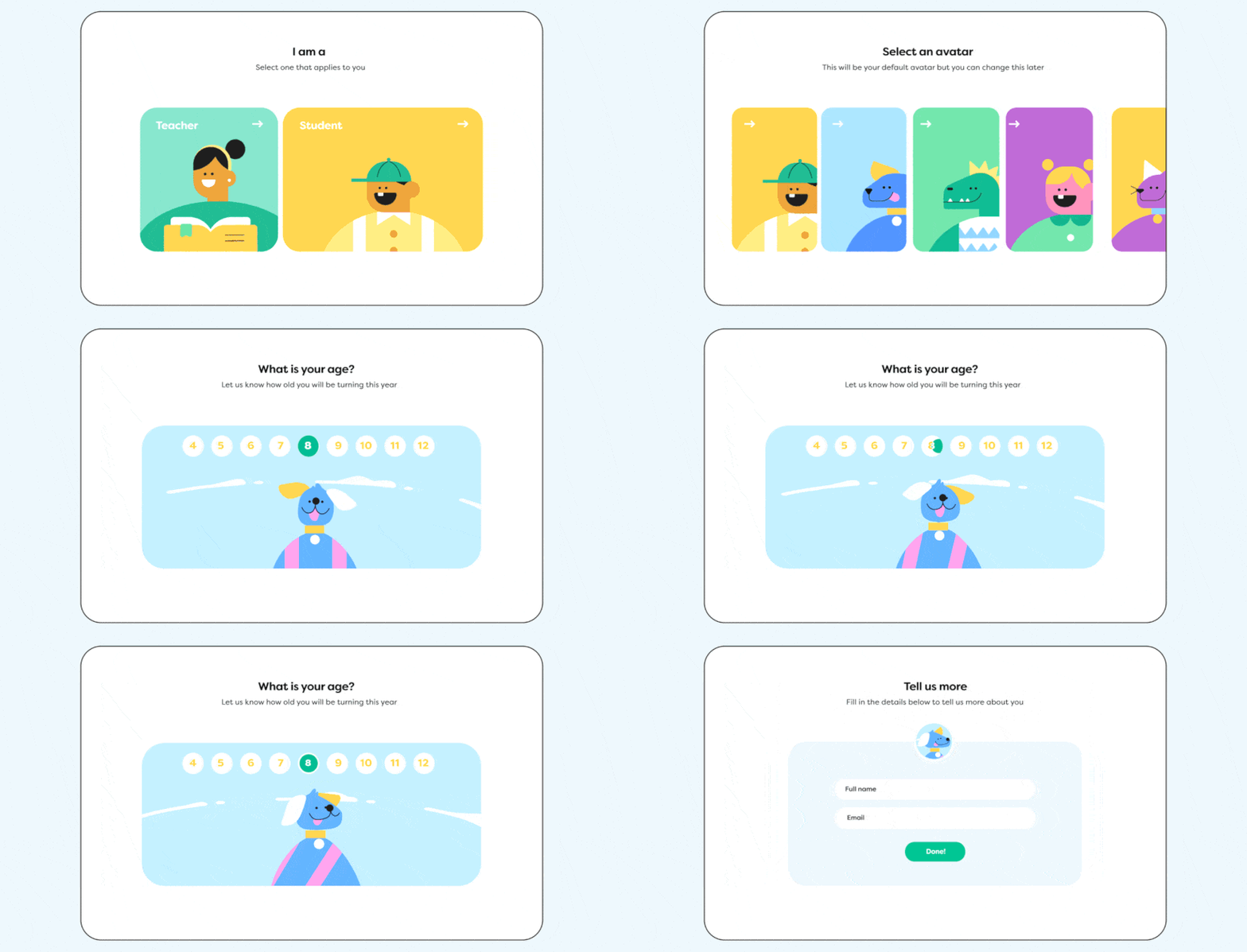
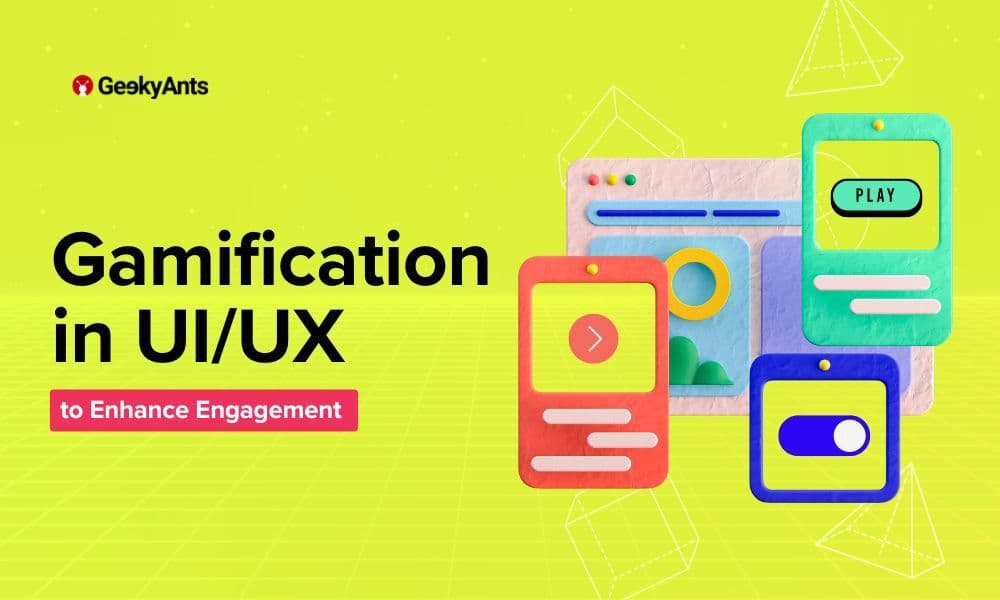
Gamification involves integrating game-like elements into non-gaming environments, such as websites and apps, to boost user engagement and motivation. In UI/UX design, gamification can transform mundane tasks into exciting experiences, encouraging users to interact more with the product.
Key Elements of Gamification
Imagine you are using a new fitness app designed to keep you engaged and motivated. As you start your journey, you notice that the app rewards you with points for each completed workout, much like earning points in a game. This point system not only creates a sense of achievement but also drives you to continue using the app regularly, aiming to increase your score with each session.
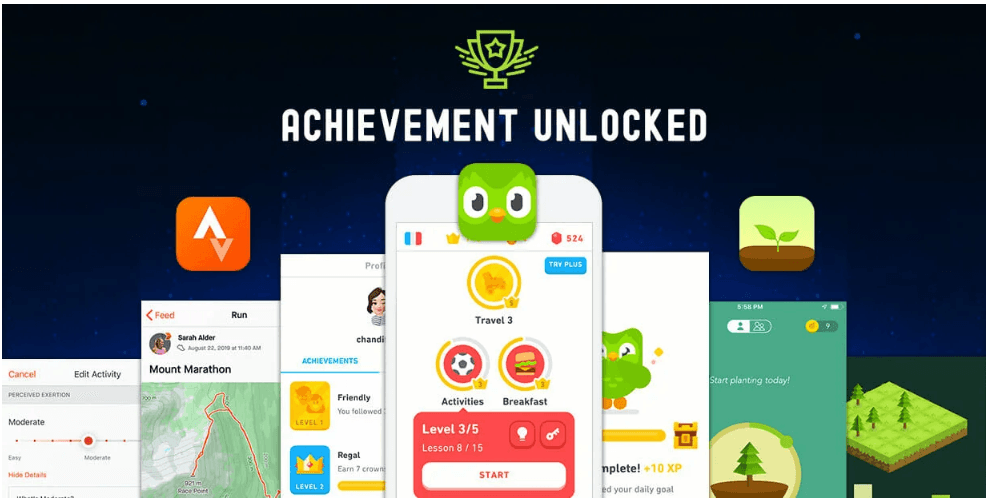
As you progress, you start unlocking badges for reaching specific milestones, such as completing your first 10 workouts or running your first 5K. These visual representations of your accomplishments serve as recognition and motivation, pushing you to strive for more. It's reminiscent of language learning apps like Duolingo, where badges for completing lessons keep users returning, contributing to the app's immense popularity.
In addition, the app features a leaderboard that displays the top users, fostering a competitive environment. You check the leaderboard frequently, eager to see your name climb higher and higher. This competitive edge, similar to sales platforms showcasing top-performing salespeople, encourages consistent engagement and a drive to excel.
The app also introduces monthly challenges and quests, setting specific goals for you to achieve. For example, a reading app might set a challenge to finish three books in a month, with rewards for completion. These challenges make your interaction with the app purposeful and fun, adding excitement to your fitness journey.
Benefits of Gamification in UI/UX
- Enhanced Engagement: Gamified elements make the user experience more enjoyable, increasing interaction and time spent on the platform. When they feel engaged, users are more likely to explore features and content. For example, LinkedIn's profile completeness bar encourages users to fill out more details in their profiles, increasing engagement and time spent on the platform.
- Improved User Retention: When users find the experience fun and rewarding, they are more likely to return, improving overall retention rates. Regular rewards and progress tracking keep users coming back. Example: Duolingo retains users by making learning fun and addictive through daily streaks and rewards. This approach has led to high user retention rates.
- Motivation and Productivity: Gamification motivates users to complete tasks and achieve goals, enhancing their productivity and satisfaction with the product. This can be particularly effective in productivity apps and learning platforms. Example: Habitica turns personal productivity tasks into a game where users earn points and rewards for completing their to-do lists, significantly boosting productivity.
Implementing Gamification in Design
In the dynamic world of tech, the design team at a bustling company, spearheaded by Pooja, embarked on an ambitious project: to infuse their flagship app with gamification. The objective was clear—boost user engagement and foster specific behaviours.
Setting Clear Goals
The first step was to establish their goals. During brainstorming sessions, the team pinpointed their primary objective: to enhance user interaction by making the app more enjoyable and interactive. With a clear mission in sight, the next move was to delve deep into understanding their users.
Understanding the Audience
Through comprehensive surveys, in-depth interviews, and thorough analysis of user behavior data, the team discovered key motivations driving their audience: achievement, competition, and a sense of community. These insights became the foundation for tailoring gamified elements to meet user preferences.
Emphasizing Simplicity
Pooja stressed the importance of simplicity. "We must avoid overcomplicating the experience," she advised. The team decided on straightforward elements: awarding points for completing tasks, granting badges for reaching milestones, and displaying a leaderboard to spur competition. They understood that overly complex systems could confuse users and diminish engagement.
Testing and Iteration
The team then moved into the testing and iteration phase. Gamified elements were rolled out to a small user group, and feedback was meticulously gathered. "Continuous improvement is key," noted Sarah, the analytics expert. By leveraging analytics, they tracked performance and made data-driven adjustments. The iterative process allowed them to refine the gamified experience continuously.
Achieving Success
In the end, their methodical approach—setting clear goals, understanding users, keeping the system simple, and iterating based on feedback—transformed the app into a more engaging and enjoyable platform. The results were impressive: user engagement surged by 30%, and user retention significantly boosted over the following months. The design team's journey underscores the importance of a user-centric, iterative approach in implementing gamification.
By focusing on simplicity and continually refining their strategies based on user feedback, they successfully enhanced the app's appeal and effectiveness, achieving their primary objectives.
Real-World Examples of Gamification
- Duolingo:
- Duolingo uses points, streaks, and leaderboards to make language learning fun and addictive. This has significantly increased user retention and engagement, making it one of the most popular language-learning apps.
- Impact: As of 2023, Duolingo boasts over 500 million users worldwide. Daily active users spend an average of 30 minutes on the app, resulting in a user retention rate of over 70%.
2 . Starbucks Rewards:
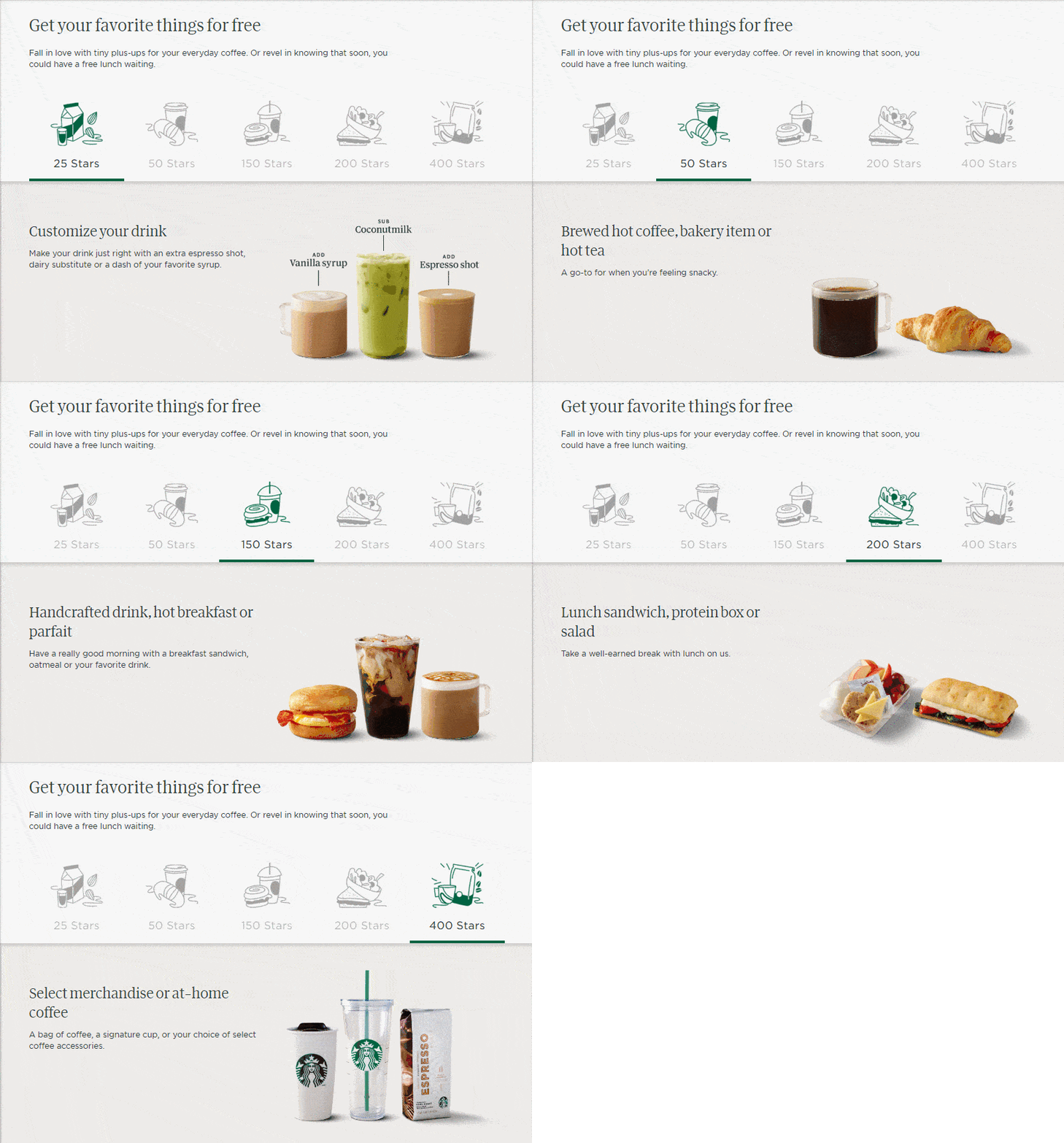
- Starbucks' loyalty program awards points for purchases, which can be redeemed for free items. This program has boosted customer loyalty and increased repeat purchases.
- Impact: The Starbucks Rewards program has over 25 million active members in the U.S. alone, who account for more than 50% of the company's total revenue. Members spend on average 30% more than non-members.
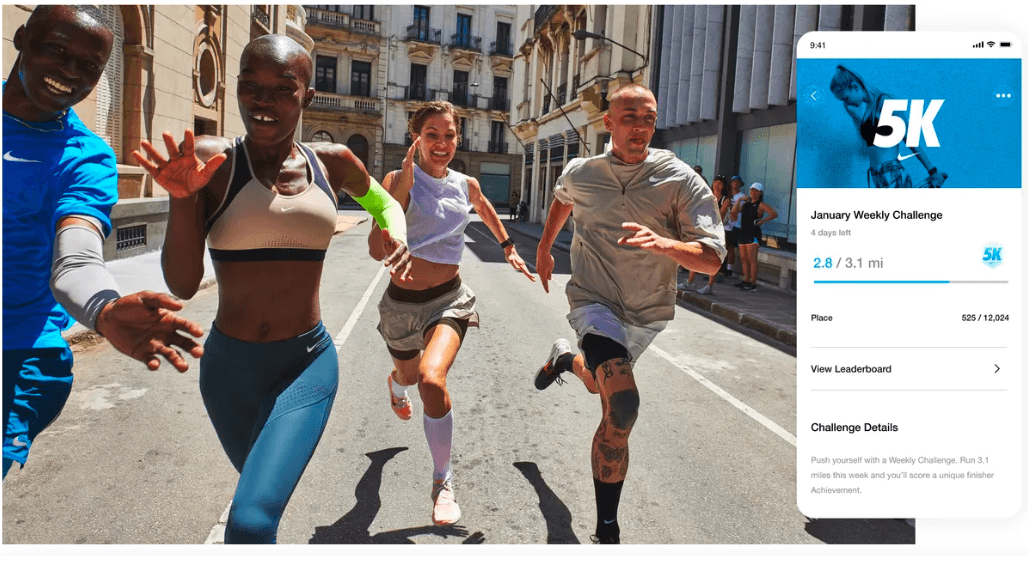
3 . Nike Run Club:
- By offering challenges and social sharing features, Nike Run Club motivates users to run regularly, fosters a community, and increases app usage.
- Impact: The app has been downloaded over 10 million times and users who participate in challenges show a 40% increase in weekly activity. The community aspect has contributed to a 50% year-over-year growth in user engagement.
4 . Fitbit:
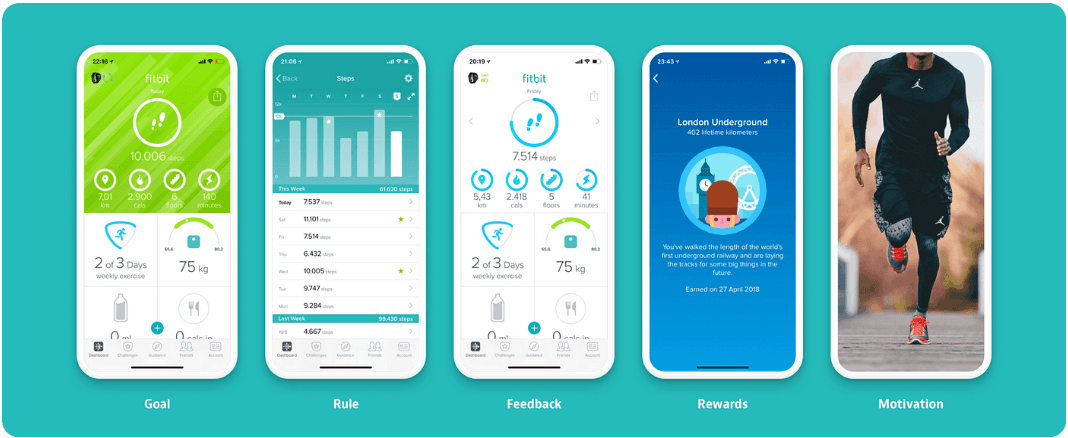
- Fitbit uses leaderboards and badges to motivate users to be more active. This gamified approach has helped Fitbit maintain high levels of user engagement and loyalty.
- Impact: Fitbit has over 30 million active users, and those who engage with the leaderboard feature are 60% more likely to meet their fitness goals. The use of badges has led to a 55% increase in daily step counts among active users.
Conclusion
Gamification is a powerful UI/UX design tool that can transform user experiences by making them more engaging and enjoyable. Designers can motivate users, enhance engagement, and improve retention by incorporating elements like points, badges, and leaderboards. When done right, gamification can turn a routine interaction into an exciting journey, driving user satisfaction and loyalty. So, why not incorporate these elements into your designs and see the magic reveal?