Future of Healthcare: Unveiling the Power of AI

Siddharth Ajith (AI Technical Product Manager, GE Healthcare )discusses how artificial intelligence (AI) is revolutionizing patient experiences and transforming traditional medical practices in the dynamic healthcare industry.

Author

Chayan
ChayanGrowth Marketing Specialist

Date

Dec 15, 2023

Table of Contents

Overview: A Dynamic Shift in Healthcare

AI plays a pivotal role in revolutionizing healthcare. Precision care applications, designed for clinicians and subject to rigorous regulatory scrutiny, set the stage for a transformative shift.
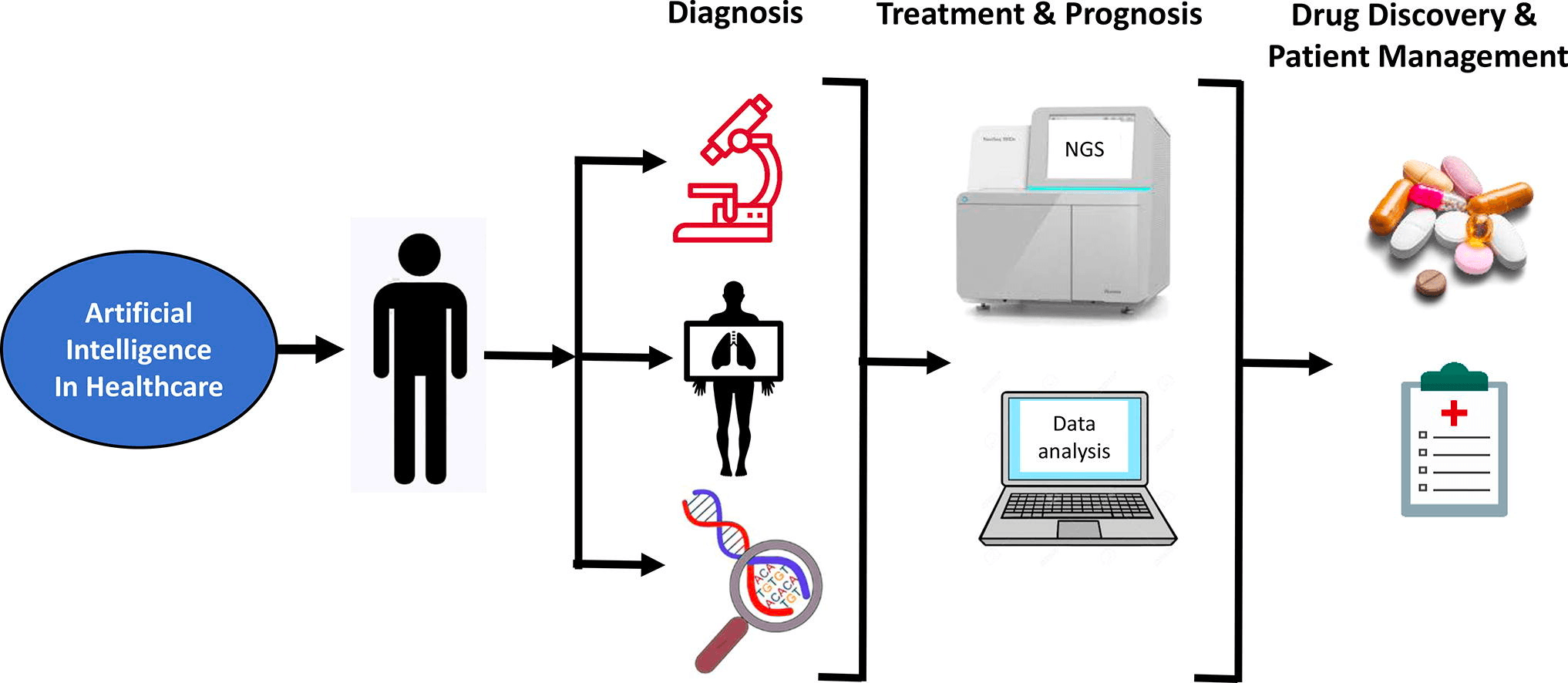
Ai applications in healthcare

AI Product Management Unveiled

The role of an AI product manager involves tight collaboration with data scientists and engineers, navigating the intricacies of developing applications for clinical use. The process entails exhaustive research, development, testing, and adherence to stringent regulatory standards.

Challenges in the Healthcare Landscape

Three major challenges loom large in the U.S. healthcare context:

  1. Clinician Shortage: Overworked nurses seeking to leave their jobs necessitate AI solutions to streamline workflows without overwhelming clinicians.
  2. Extensive Data Management: The abundance of healthcare data lacks structure, demanding common protocols for storage and exchange across facilities.
  3. Continuity in Patient Care: Seamlessly managing patient care throughout various stages calls for ongoing solutions.

The Patient Journey and Data Insights

To grasp the full impact of AI in healthcare, understanding the patient journey is crucial. From triggers prompting medical visits to ongoing care, capturing relevant data is paramount. Notably, 30% of global data is healthcare-related.

Two Transformative Shifts in Healthcare

Two significant shifts catalyzed by AI and data in healthcare:

  1. Precision Care and Preventive Measures: Transitioning from standard to precision care requires detailed patient data and extensive research on various medical conditions.
  2. Remote Interventions and Monitoring: The pandemic accelerated remote healthcare interventions, foreseeing a future where miniaturized devices enable monitoring and preventive measures at home.

Data and AI Challenges: A Pyramid Approach
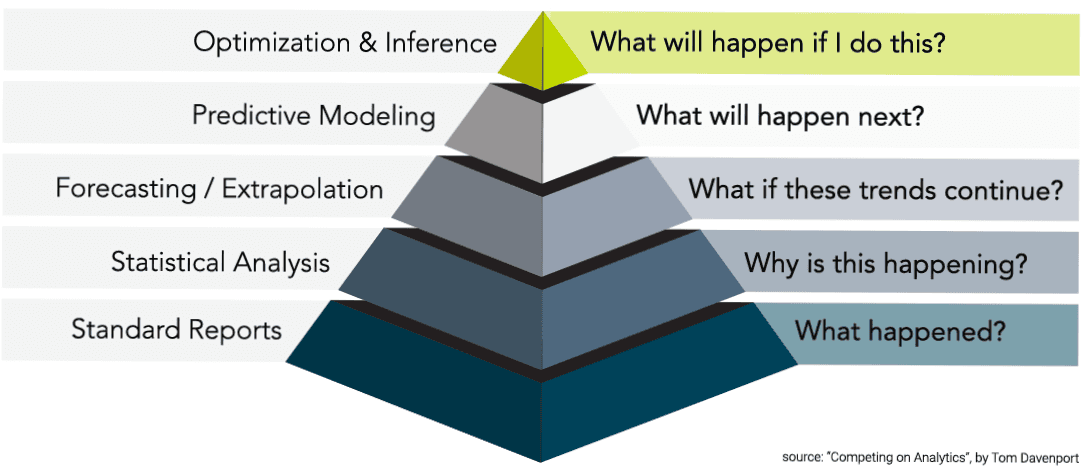
AI healthcare pyramid

Source

Addressing the core issue involves ensuring structured healthcare data. The pyramid approach begins with structured data, incorporates intelligence, and culminates in actionable insights. Acknowledging the complexity of obtaining real-world hospital data, entrepreneurs are encouraged to start with existing datasets.

The Future of AI in Healthcare

The transformation of healthcare through AI requires collaborative efforts.

In a world where technology converges with healthcare, these insights provide a roadmap for navigating the evolving landscape and harnessing the potential of AI to improve patient outcomes.

You can check out the entire talk here ⬇️

SHARE ON

Related Articles.

More from the engineering frontline.

Dive deep into our research and insights on design, development, and the impact of various trends to businesses.

Engineering a Microservices-Based AI Pipeline for Healthcare Claim Validation
Article

Apr 7, 2026

Engineering a Microservices-Based AI Pipeline for Healthcare Claim Validation

A technical breakdown of the real-time AI claim validation system we built to reduce healthcare claim denials — using dual-agent reasoning, microservices architecture, and a HIPAA-minded zero-persistence design.

Building a Smart Healthcare CRM Platform for hospitals: AI Engagement, Operational Efficiency & Compliance
Article

Feb 27, 2026

Building a Smart Healthcare CRM Platform for hospitals: AI Engagement, Operational Efficiency & Compliance

Healthcare CRM development for modern hospitals with AI-driven patient engagement, real-time EHR integration, operational efficiency, audit-ready compliance, and measurable ROI.

The Enterprise AI Reality Check: Notes from the Front Lines
Article

Feb 12, 2026

The Enterprise AI Reality Check: Notes from the Front Lines

Enterprise leaders reveal the real blockers to AI adoption, from skill gaps to legacy systems, and what it takes to move beyond the first 20% of implementation.

The Three-Year Rule: Why Tech Change Takes Time
Article

Feb 10, 2026

The Three-Year Rule: Why Tech Change Takes Time

Successful enterprise technology transformation depends on a three-year investment strategy that prioritizes cultural readiness, leadership alignment, and robust governance frameworks to modernize legacy systems and improve operational efficiency.

Building the Workforce and Culture for the Future
Article

Feb 9, 2026

Building the Workforce and Culture for the Future

AI won’t replace people—unprepared organizations will. Learn how to build skills, culture, and leadership for the AI era.

The Constant Core: Why Engineering Principles Matter More Than AI Tools
Article

Feb 9, 2026

The Constant Core: Why Engineering Principles Matter More Than AI Tools

Successful AI integration requires a return to core engineering principles and technical foundations to ensure the workforce can solve deep architectural issues and manage complex systems when they fail.

Scroll for more
View all articles