
As the world is keeping stride with the rampant progress of technology, mobile and web applications have become the new norm in the digital universe. Of course, offering benefits to clients is the great objective behind any application; however estimating the price is a similarly significant viewpoint, one that ought not be disregarded. Determining costs is a significant element of constructing a beneficial, adaptable and versatile application business. Not only does efficient pricing boost business but it also establishes traction for the application in the app store.
1. Plan the project fittingly
One of the most important factors that goes into determining the price of an application is the comprehensiveness of the application and the extent of features that the client is looking for. It is crucial to plan the project suitably to integrate all the required characteristics in the most cost-effective way to provide the client with the best possible deal. It is also important to determine the project scope and set a satisfactory plan of action, since this has a direct impact on the time and effort spent on research, design and development which will help you cut costs in the longer run.
2. Level of complexity
Another significant factor that plays a fundamental role in determining the price is the technical complexity of the required application. Simple applications with fewer screens and minimal features will cause a lesser dent on your application than complex and large enterprise applications. Gaming applications are a classic example of advanced applications as by default, they require much more complex programming. We, at GeekyAnts, provide clients with the option of finding templates from a curated list on NativeBase Marketplace. This list of premium React Native UI themes and templates can be used in place of custom-built templates to cut down on costs during development.
3. Setting realistic deadlines
As with any undertaking, the scope of the project is going to be more extensive as the venture progresses and it is integral to plan and structure the project accordingly to meet deadlines. While deadlines do not have a direct impact on the pricing of an application, it does add on to the overhead costs incurred during development. It is crucial to structure the project and onboard the team in the most organised way possible to optimally stick to the budget and avoid cost overruns. Stricter deadlines might warrant more resources to be onboarded which might affect the budget spent on the application.

4. Choose the apt contract type
Oftentimes, it is commonly misconstrued that the message in the contract simply refers to the transactional aspect. Meanwhile, in reality it has a direct impact on many other aspects of the project and will drive factors like timelines, type of engagement etc. To optimise your budget, it is crucial to research and single out the most suitable engagement model required for your project. Regardless of the engagement model you decide to go with, guaranteeing the undertaking is checking all the milestones is of significant importance to both parties. Read on to find out more about the various engagement models offered by GeekyAnts to figure out which works best for you!
5. Company location
Location is another factor that goes into determining the costs incurring while developing an application. A multitude of economic patterns play a key role in leveraging the pricing of a product, i.e conversion rates, spending patterns in a country etc. Any organisation is bound by the government regulations and practices of the geographic area that it is functioning in. Government and legal restrictions also vary by nation which have a direct impact on the cost of your product. Geographical demand and competition are factors affecting the demographic pricing of a product.
6. Use of visual elements
Animations are of immense importance when developing the UX of an application for numerous reasons. They help in assessing user’s interactions and make navigation easier. UX animations are also a great way of keeping users engaged but are generally costly to implement. Minimal UX designs are a great way of keeping the cost in check. Animations are also priced based on the refinement and fluidity of the animation as well as the expertise of the designer working on the project. Animation style, illustrations as well as the detailing requested by the client are also prime movers affecting pricing.
7. Maintenance plan
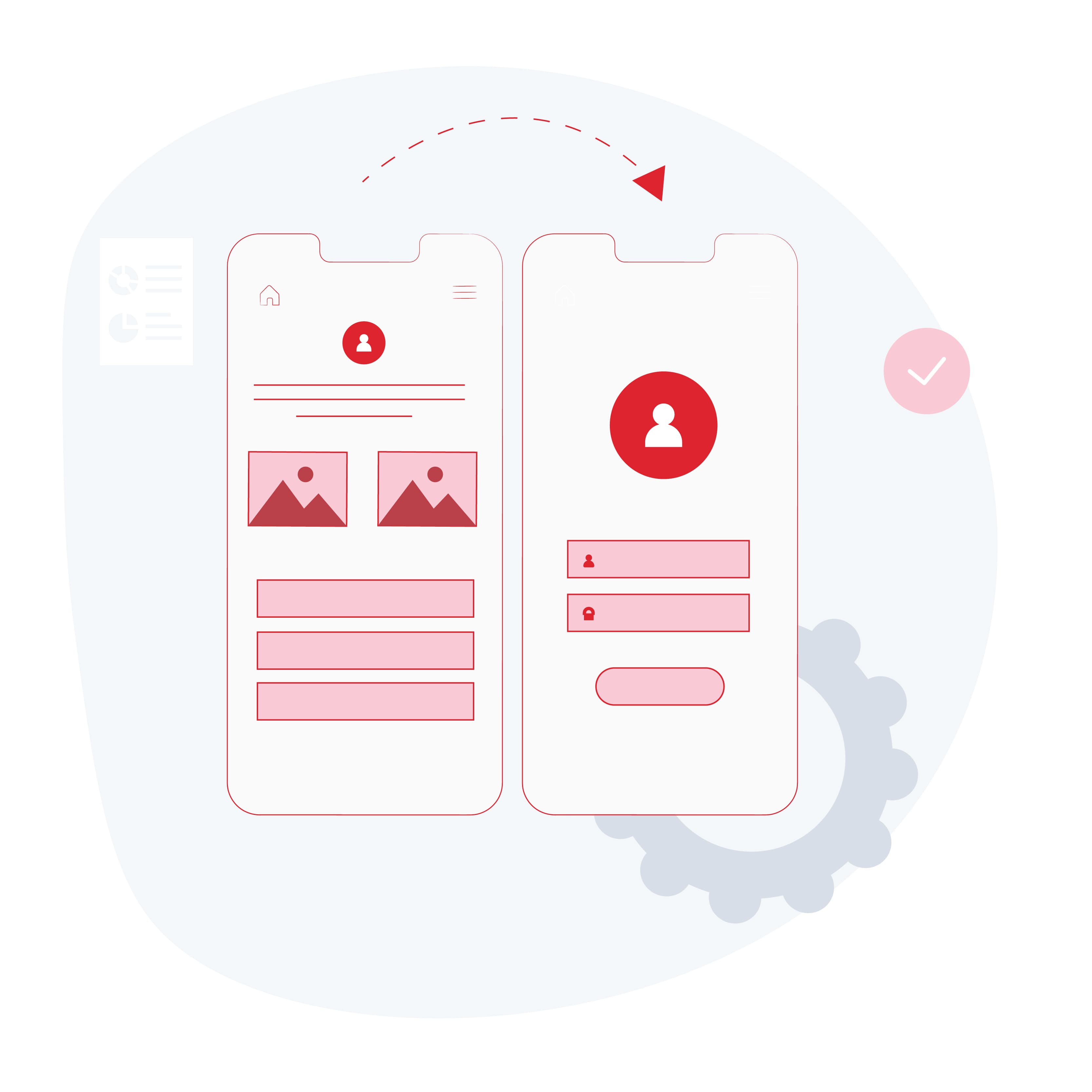
As with any software, applications also need continuous maintenance to keep them in form and functioning the way they were meant to. App development companies offer various maintenance plans where their developers are posted to service the finished product at regular intervals. Choosing the apt maintenance plan is of utmost importance as this will prevent bigger breakdowns in the future which might incur heavier costs. It is prudent to conduct proper research and understand the application before opting for the maintenance plan befitting it to economise in the best way possible.
Conclusion
Getting the best bang for your buck is important in every aspect, especially in a costly venture like developing a new application. It is effective to check out various value-based pricing methods and formulate the best plan for your new application. It is also essential to understand the market as well as the application’s differentiated features in order to leverage the best price plan. We hope this article gives you a stronger grasp on the various factors affecting the cost of building an application for you to find the smartest way to economise.