
Businesses are under pressure to adapt to technologies that demand faster, safer, and more efficient money transfers. Payment gateways have evolved beyond transaction processors. They are now central to the digital economy, driving how businesses interact with customers and streamlining operations. From real-time cross-border payments to the growing adoption of cryptocurrency, the landscape is changing fast.
In this blog, we will explore the trends redefining payment systems and their impact on business efficiency and customer experience.
Current Landscape of Payment Gateways
The landscape of payment gateways today is marked by significant advancements as well as persistent challenges. On one hand, technological innovations have simplified payment processing across many platforms, making transactions more secure and efficient. However, some challenges still need urgent attention.
For example, businesses still need faster transaction processing. Traditional banking systems, which are often delayed, hinder both cash flow and customer satisfaction. At the same time, the growing threat of cyberattacks and fraud has made security a top priority. As businesses expand internationally, there is a growing need for robust cross-border payment solutions that are faster, more cost-effective, and transparent.
While current payment gateway systems meet basic needs, they struggle to keep up with the demands of today's fast-paced and globalized digital economy. As a result, new technologies are emerging to address these challenges and redefine the future of payment systems.
Emerging Trends in Payment Gateways
1. Real-Time Payments: Instant Transactions at the Core
One of the most significant trends in the payment gateway space is the rise of real-time payments. Instant transaction systems have become a necessity, driven by the demand for faster, more convenient payment options from consumers and businesses. Real-time payments enable businesses to settle transactions immediately, improving cash flow management and enhancing operational agility.
The benefit for consumers is clear: They no longer have to wait days for funds to be transferred or cleared. But the implications for businesses are even more profound. Companies like Zelle and PayPal have revolutionized payments by offering instant transfers, allowing users to send and receive money within seconds. This shift is fundamentally changing the way businesses handle financial transactions and is laying the groundwork for the broader adoption of real-time payment systems.
2. Embedded Payments: A Seamless Experience Across Platforms
Another emerging trend is embedded payments, where payment gateways are integrated directly within platforms, minimizing the friction that typically accompanies traditional payment processes. Instead of redirecting customers to a third-party platform to complete a transaction, businesses are embedding payment systems directly into their websites or mobile apps.
This seamless integration enhances the customer experience by allowing users to complete payments without ever leaving the platform they’re already engaged with. Uber and Shopify are prime examples of companies successfully implementing embedded payment systems, simplifying the payment process for their users. This shift is making transactions more efficient, intuitive, and deeply integrated into daily digital interactions.
3. AI in Fraud Prevention: Enhancing Security with Intelligence
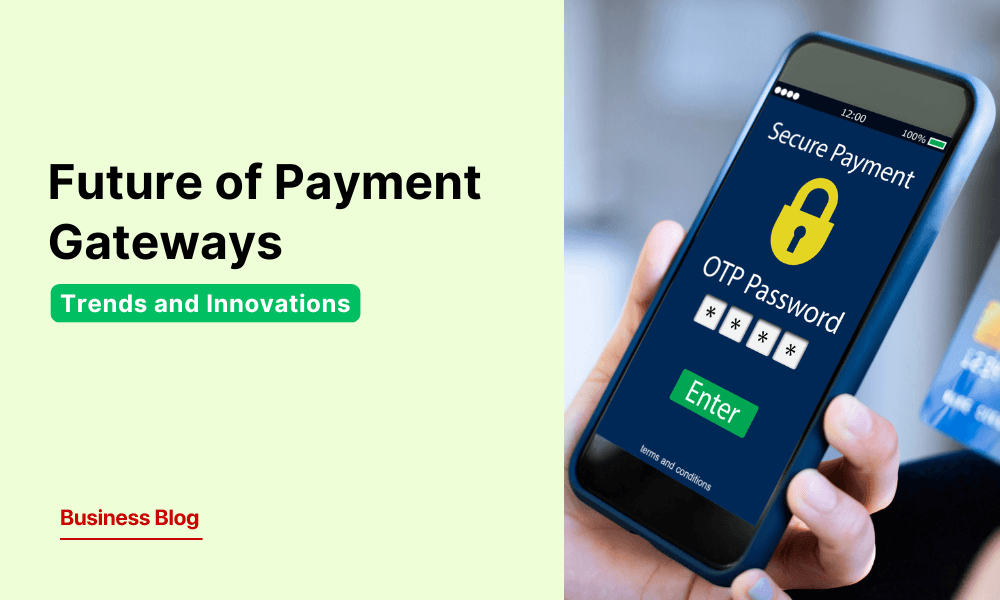
As digital payments continue to grow, so does the risk of fraud. However, artificial intelligence (AI) is reshaping payment security. AI’s ability to analyze transaction data in real-time allows it to detect potentially fraudulent activity before it even occurs. This shift from reactive to proactive fraud prevention is enabling businesses to offer a safer and more secure payment environment.
Companies like Stripe have already harnessed machine learning algorithms to identify suspicious patterns and block fraudulent transactions in real-time. This technology not only enhances security but also increases consumer confidence, ensuring that customers feel secure when making payments online.
4. Cryptocurrency Adoption: Digital Currency Takes Center Stage
The integration of cryptocurrency into payment gateways is gaining significant traction. As digital currencies like Bitcoin and Ethereum become more widely accepted, businesses are beginning to embrace these assets as a legitimate form of payment. Cryptocurrencies offer several advantages, including reduced transaction fees and faster cross-border payments, making them especially attractive for international transactions.
Companies like Overstock, Newegg, and Tesla have already started accepting cryptocurrency payments, showcasing the growing potential of this technology in mainstream commerce. While challenges remain, such as regulatory uncertainties and price volatility, the continued adoption of cryptocurrency in payment gateways is a trend that businesses should closely monitor.
Business Impact of These Innovations
Customer Experience Improvement
The innovations outlined above are improving customer experience in a significant way. Real-time payments allow customers to complete transactions immediately, eliminating delays and increasing satisfaction. Embedded payment systems simplify the purchase process by enabling payments directly within the platform without redirecting users to external pages. Additionally, AI-driven fraud detection ensures the security of personal and financial information, creating a reliable and trustworthy environment for customers. These systems collectively offer a smoother, more efficient, and secure transaction experience.
Operational Efficiency for Businesses
For businesses, these innovations are driving significant operational efficiency. Real-time payments optimize cash flow management by ensuring faster transaction settlement and reducing payment delays. Embedded payment systems streamline the checkout process, which leads to increased conversion rates and fewer abandoned carts. Meanwhile, AI-powered fraud prevention reduces chargebacks, minimizes fraud-related losses, and ensures financial stability, protecting both revenue and resources.
Security and Trust with AI-powered Fraud Prevention
The use of AI in fraud detection enhances security and trust for both businesses and consumers. AI monitors transactions in real time, identifying and flagging suspicious activity before it escalates, preventing potential fraud. As consumers experience these advanced security measures, they develop greater confidence in online transactions. For businesses, maintaining this level of security is crucial for fostering trust and ensuring long-term customer loyalty in a competitive digital landscape.
Challenges to Overcome
Regulatory Concerns
With the rapid growth of new payment technologies, businesses must also navigate an increasingly complex regulatory landscape. Regulations surrounding data privacy, cross-border transactions, and payment processing are constantly evolving. Businesses must stay informed about these changes to ensure compliance and avoid costly penalties.
Integration Barriers
As businesses adopt new payment technologies, they often face integration barriers, especially when trying to incorporate these solutions with legacy systems. The transition to more advanced payment solutions can be technically challenging and costly, particularly for small and medium-sized businesses.
Cost and Accessibility for Small Businesses
While innovations in payment gateways are opening up new opportunities, many small businesses still face challenges in adopting these technologies. The initial costs of implementation and the complexity of integration can be prohibitive for smaller players. However, as payment solutions become more affordable and accessible, small businesses will be able to take advantage of these advancements, allowing them to remain competitive in an increasingly digital marketplace.
Conclusion
The evolution of payment gateways is radically transforming how businesses process transactions. Innovations such as real-time payments, embedded systems, AI-driven fraud prevention, and cryptocurrency integration are not only streamlining operations but also enhancing both customer experience and security.
For businesses, staying ahead of these trends—and addressing challenges like regulatory compliance and seamless system integration—will be crucial to maintaining a competitive edge. By strategically adopting these technologies, businesses can unlock new growth opportunities, build stronger customer relationships, and solidify their position in the rapidly evolving digital economy.
At GeekyAnts, we provide cutting-edge payment solutions to help businesses thrive in this rapidly changing landscape.