
No one could have predicted in the 1990s how quickly the internet would grow over the world and how it would affect every part of life. However, we now observe that technological advancements are influencing how we work, communicate, think, and make judgments. For instance, the internet is now a must in the majority of our everyday lives. Artificial intelligence, robots, cloud computing, augmented reality, 5G, quantum computing, and other technologies are yet to be fully utilised. According to the experts, humans are coming closer to resolving some of the most difficult issues humanity has encountered thus far, thanks to technology. These technological innovations will have a significant influence on how people live, eat, and think, but it is questionable if they will alter the global order and be able to address humanity's issues.
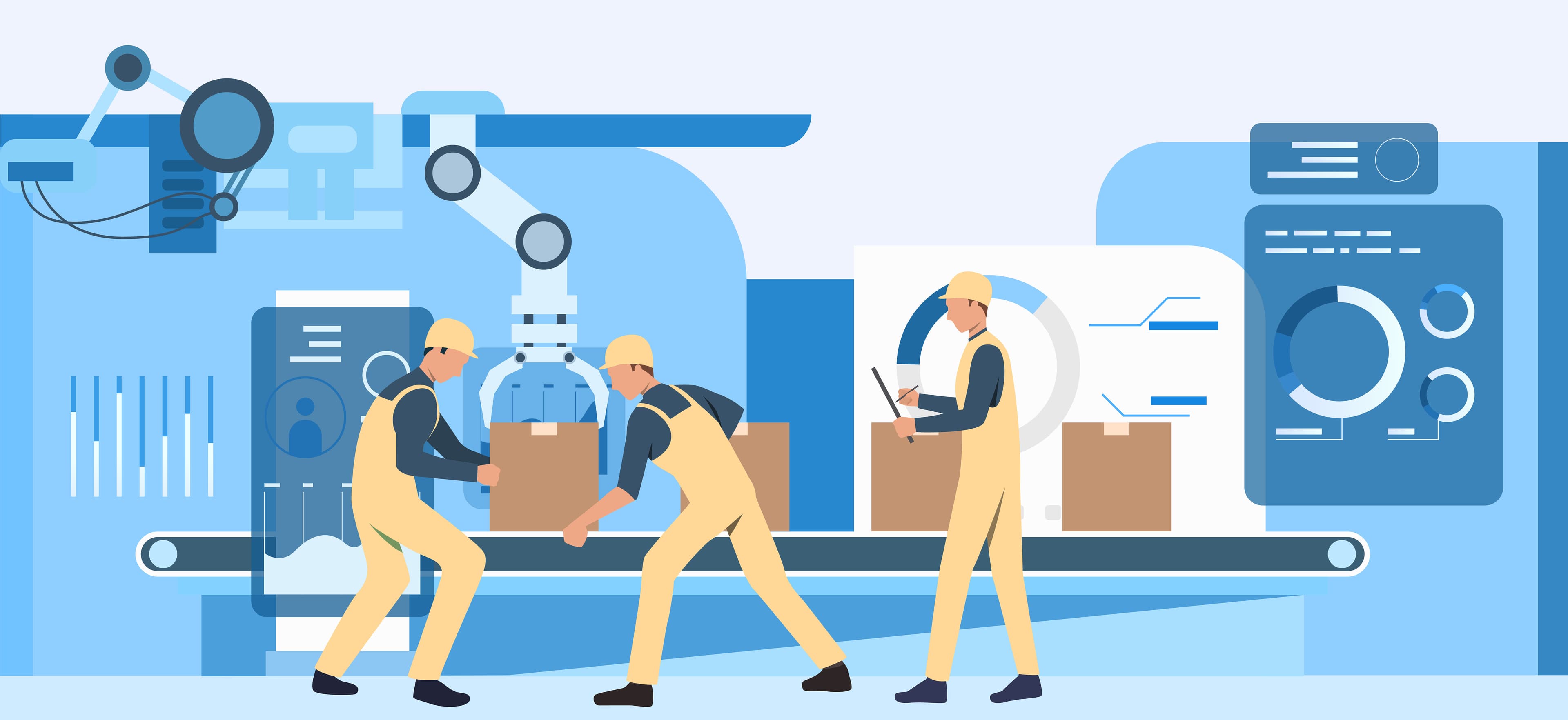
Conflict or Collaboration:
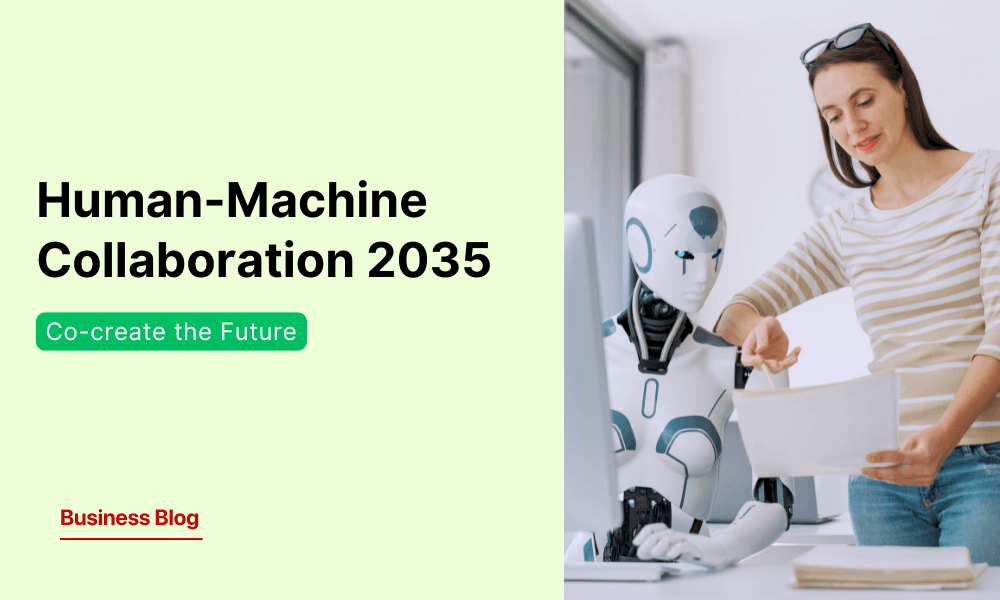
The convergence of technology and society has sparked two conflicting narratives: one foreseeing a bleak future where machines render humans obsolete, and the other portraying technology as a cure-all for humanity's challenges. In this piece, we consciously avoid these extremes and instead encourage a balanced, meaningful conversation about the evolving dynamics between humans and machines. Our goal is to foster a vision where both entities grow together in a complementary, interconnected manner. Interestingly, one of the earliest examples of this relationship can be traced back to the invention of the hand axe, created to extend human capabilities.
In much the same way, devices like vacuum cleaners, calculators, mobile phones, and personal computers have significantly simplified our daily lives. We've observed the evolution of mobile phones, which have now transformed into powerful mini-supercomputers at our fingertips. Yet, even greater and more sophisticated opportunities for human-machine collaboration are emerging. From autonomous vehicles reshaping e-commerce logistics and connected car ecosystems, to groundbreaking advancements in travel through ventures like SpaceX and Hyperloop; from enhancing banking security with AI-driven fraud detection, to leveraging extended reality (XR)—including AR, VR, and MR—to blend the physical and digital worlds; from AI-powered solutions optimizing pricing, inventory, and delivery in e-commerce for improved customer satisfaction, these innovations exemplify how humans are increasingly working alongside machines to improve and enrich the world around us.
Building Synergy
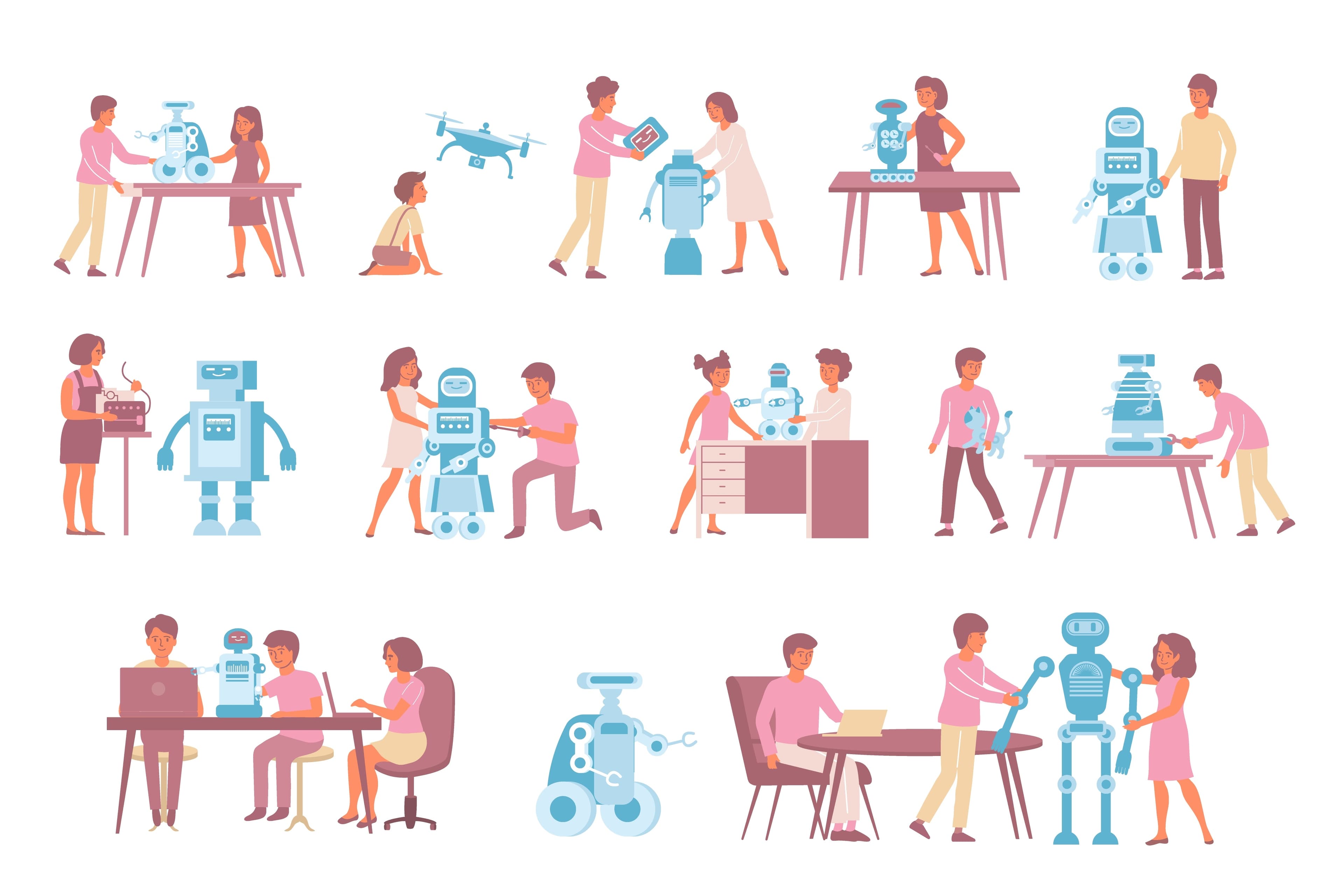
While machines are set to deliver unprecedented speed and precision through rapidly advancing processing power, assuming that they will render human labour obsolete by 2035 would be a misconception. This decade is likely to witness a deepening collaboration between humans and machines—one that enhances our capabilities and helps overcome existing limitations. Such a partnership not only enables more objective and bias-free decision-making, free from emotional influence or intuition, but also encourages us to become more effective collaborators. For this synergy to succeed, it is essential to establish a well-defined distribution of roles, responsibilities, and tasks, ensuring a balanced, human-led machine alliance.
The Path Forward: Innovation, Inclusion, and AI Fluency
While machines are well-suited for handling routine and repetitive tasks, humans are better positioned to engage in more creative and stimulating work. Regardless of how advanced an AI algorithm may be, it remains ineffective without being properly trained with accurate and relevant data. A joint report by the Institute for the Future (IFTF) and Dell Technologies, titled Future of Work, highlights three transformative shifts essential for developing a stronger workforce and learning ecosystem: inclusive talent, empowered workers, and AI fluency. This decade holds immense potential to shape the future, presenting both exciting opportunities and complex challenges. These will push humanity to think innovatively and strengthen its collaborative relationship with machines.
I’ve recently had the opportunity to contribute to the end-to-end development of a cutting-edge 3D application, transforming a concept into a fully functional solution that enables users and businesses to generate 3D models and visualise them in AR. This has been a remarkable experience and a clear testament to the immense potential that lies ahead in the evolving landscape of the future of work.