
Selecting the Best Approach for AI Optimization: RAG or Fine-Tuning?
Welcome to our comprehensive guide on AI models, where we delve deep into the fascinating world of artificial intelligence and its transformative impact across industries. In this blog, we will explore the two main categories of AI models, Retrieval-Based Models and Generative Models, and uncover the potential of fine-tuning for customizing these models to specific tasks or domains, while also exploring the innovative concept of Retrieval-Augmented Generation (RAG). We will provide comprehensive insights into both approaches, enabling you to make an informed choice by comparing their applications, advantages, and limitations in detail.
Understanding AI Models
Before we dive into the intricacies of AI models, let us start with the basics. AI models are computational systems designed to mimic human intelligence, enabling machines to perform tasks such as understanding natural language, recognizing patterns in data, and generating creative content. Now, let us learn more about the two main categories of AI models: Retrieval-Based Models and Generative Models, and how they revolutionized various industries.
Retrieval-Based Models
Imagine a virtual assistant capable of retrieving relevant information from vast databases in real-time to provide accurate responses to user queries. That is the power of retrieval-based models. Whether it is answering customer inquiries or assisting with research, these models excel at fetching and delivering pertinent information swiftly and efficiently.
Example: Customer support chatbots deployed by leading airlines like Delta or British Airways utilize retrieval-based models to promptly respond to inquiries regarding flight status, baggage allowances, and booking details.
Generative Models
On the other hand, generative models unleash creativity by learning patterns from extensive datasets and generating original content. From artwork and music to literature and poetry, these models push the boundaries of creativity and imagination, inspiring new forms of expression and innovation.
Example: OpenAI's GPT (Generative Pre-trained Transformer) models have been harnessed by artists and musicians globally to create artwork, compose music, and craft poetry, showcasing the creative potential of generative AI.
Now that we have explored the fundamental categories of AI models, let us transition to two advanced techniques, Retrieval-Augmented Generation (RAG) and fine-tuning. These methods optimize AI models differently, offering unique benefits and limitations. We will compare them to help you understand their distinct advantages, empowering you to make informed decisions in leveraging these cutting-edge technologies.
The Power of Fine-Tuning
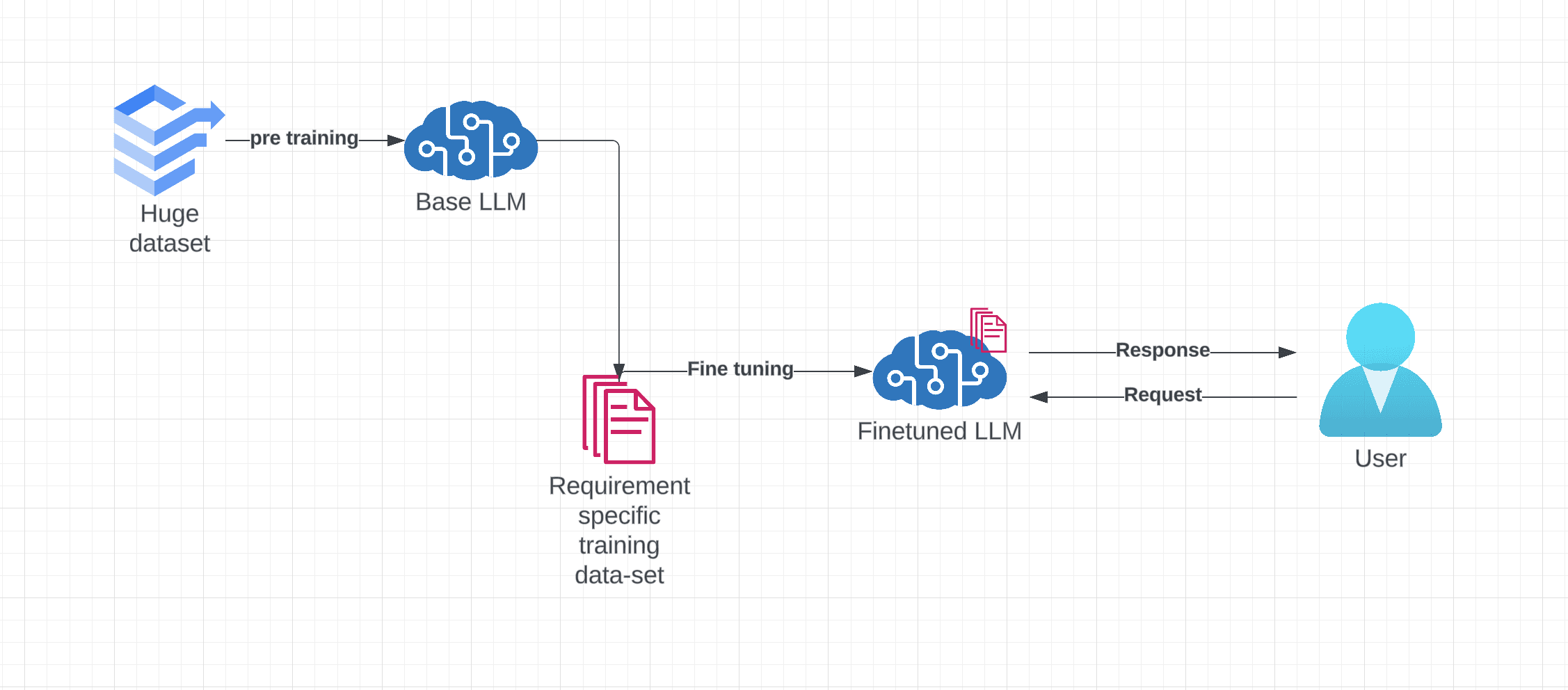
Fine-tuning is akin to giving AI models a personalized touch, tailoring them to excel in specific tasks or domains. By leveraging existing pre-trained models and refining them with task-specific data, fine-tuning enhances performance, accuracy, and adaptability, making AI solutions more effective and efficient.
Real-Life Application:
Consider a healthcare organization fine-tuning an AI model for medical image analysis. By training the model with a dataset of radiology images, they can improve its ability to detect abnormalities and assist radiologists in making accurate diagnoses.
Introducing Retrieval-Augmented Generation (RAG)
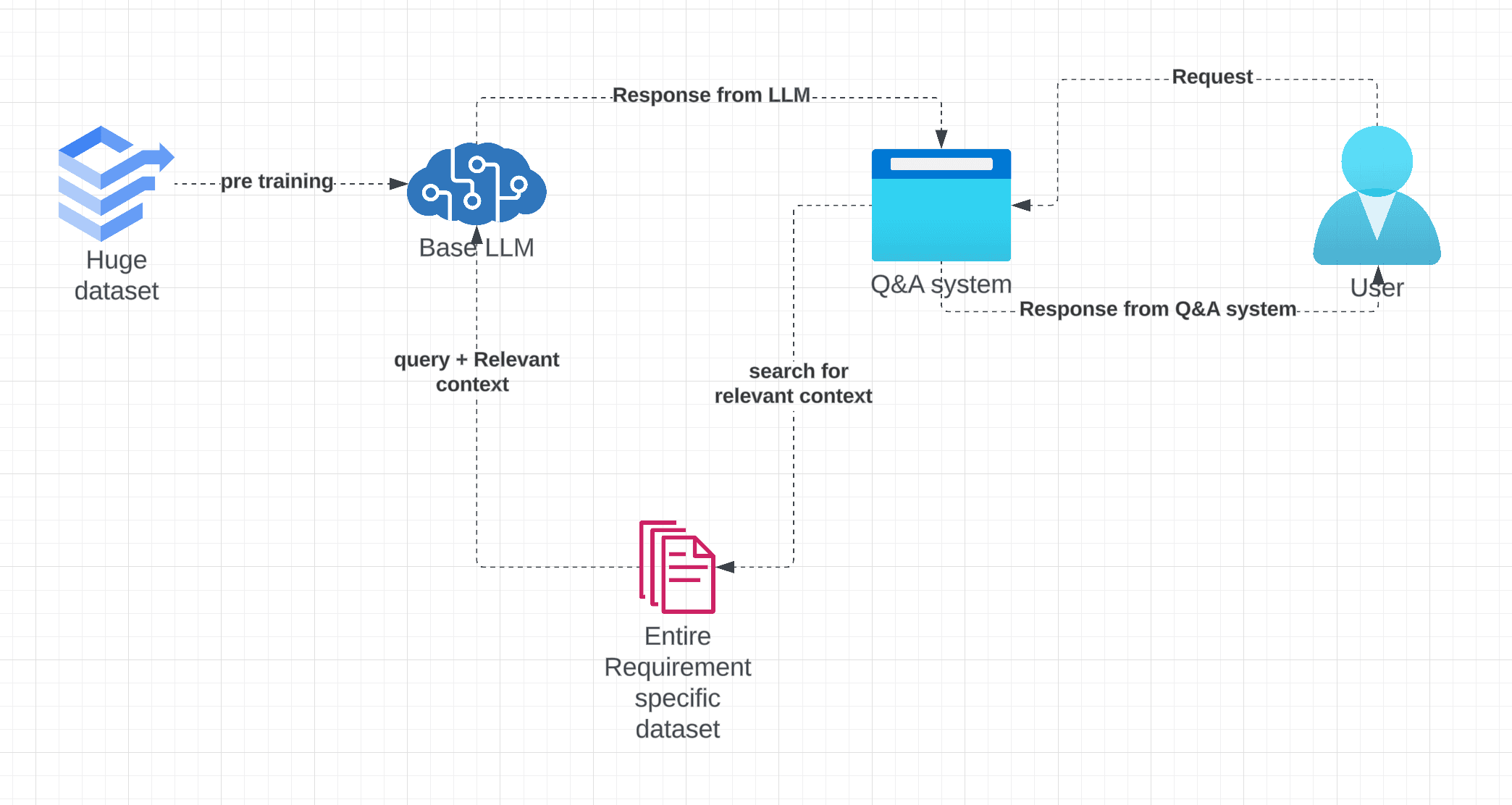
Now, let us explore the cutting-edge concept of Retrieval-Augmented Generation (RAG), a hybrid approach that combines the strengths of retrieval-based systems and generative models. Unlike traditional AI models, RAG does not just provide answers; it crafts responses enriched with real-time insights from diverse knowledge sources, offering a deeper level of understanding and context.
Real-Life Application:
Imagine an e-learning platform leveraging RAG to enrich student learning experiences. By retrieving diverse educational materials such as textbooks, academic papers, and multimedia resources, RAG can generate tailored explanations and examples, empowering students to grasp complex concepts with ease and depth.
Key Differences and Applications
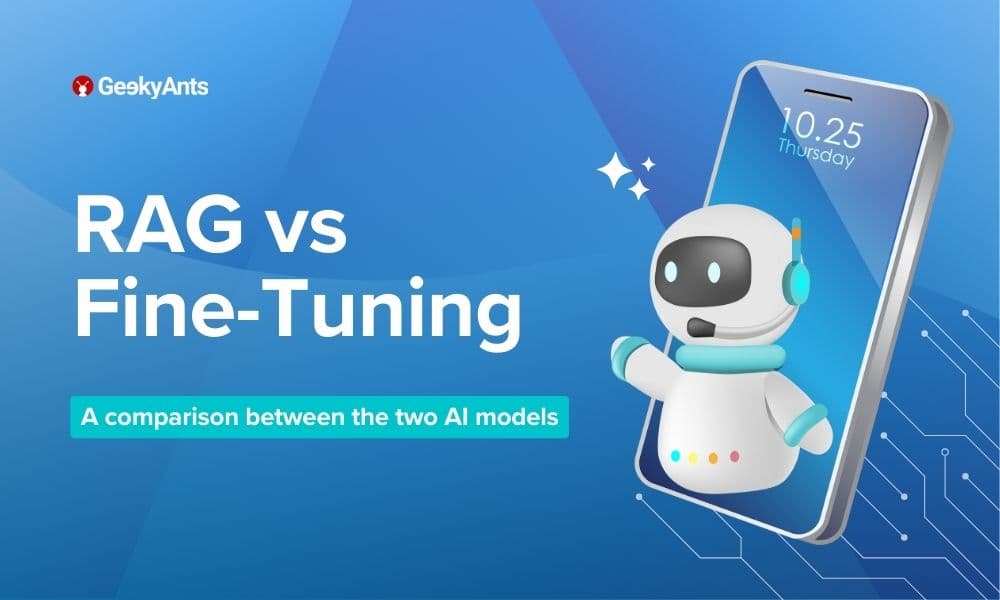
RAG vs. Fine-Tuning
While both RAG and fine-tuning aim to enhance the capabilities of AI models, they differ in their approach and applications. RAG focuses on leveraging real-time insights from external knowledge sources, while fine-tuning tailors pre-trained models for specific tasks or domains.
Real-Life Comparison:
In the context of content generation, fine-tuning can be likened to training a language model to write in a specific style or genre, such as poetry or technical documentation. On the other hand, RAG acts as a virtual research assistant, retrieving relevant information from diverse sources to enrich the content and provide valuable context.

Pros and Cons: Making Informed Choices
Pros and Cons of RAG:
- Advantages:
- Contextual Understanding: Incorporates real-time insights for contextually relevant responses.
- Versatility: Ideal for applications querying diverse knowledge repositories.
- Enhanced Decision Making: Empowers decision-makers with comprehensive insights for informed choices.
- Disadvantages:
- Data Source Management: Challenges in managing frequently changing data sources and potential scalability issues.
- Complexity: Requires sophisticated algorithms and infrastructure for efficient retrieval and generation.
Pros and Cons of Fine-Tuning:
- Advantages:
- Personalization: Customizes models for specific tasks without starting from scratch.
- Enhanced Performance: Improves model accuracy and performance for domain-specific tasks.
- Adaptability: Enables models to evolve and learn from new data, staying relevant and up-to-date.
- Disadvantages:
- Data Bias: Risk of amplifying biases present in the training data, leading to skewed results.
- Resource Intensive: Requires significant computational resources and expertise for training and fine-tuning.
Conclusion
RAG and fine-tuning are pivotal in maximizing the capabilities of AI models. By effectively utilizing these techniques, organizations can foster innovation, enhance user experiences, and transform industries globally. Understanding their distinct applications, advantages, and limitations is crucial for leveraging AI's transformative potential in the modern digital landscape. Whether it is enriching content with real-time data or tailoring AI to specific tasks, both RAG and fine-tuning offer valuable tools to navigate and excel in the ever-evolving world of technology.
Hope you find this article useful. Happy exploring and innovating with AI!