
Data sharing is one of the core functions of every business. Every organization, regardless of the industry it belongs to, requires a reliable data-sharing platform. The crucial process of decision-making in businesses across the globe greatly depends on the data shared. But with the rise in online transactions and information access, the traditional Web 2.0 data sharing methodologies are increasingly proving to be both costly and unreliable.
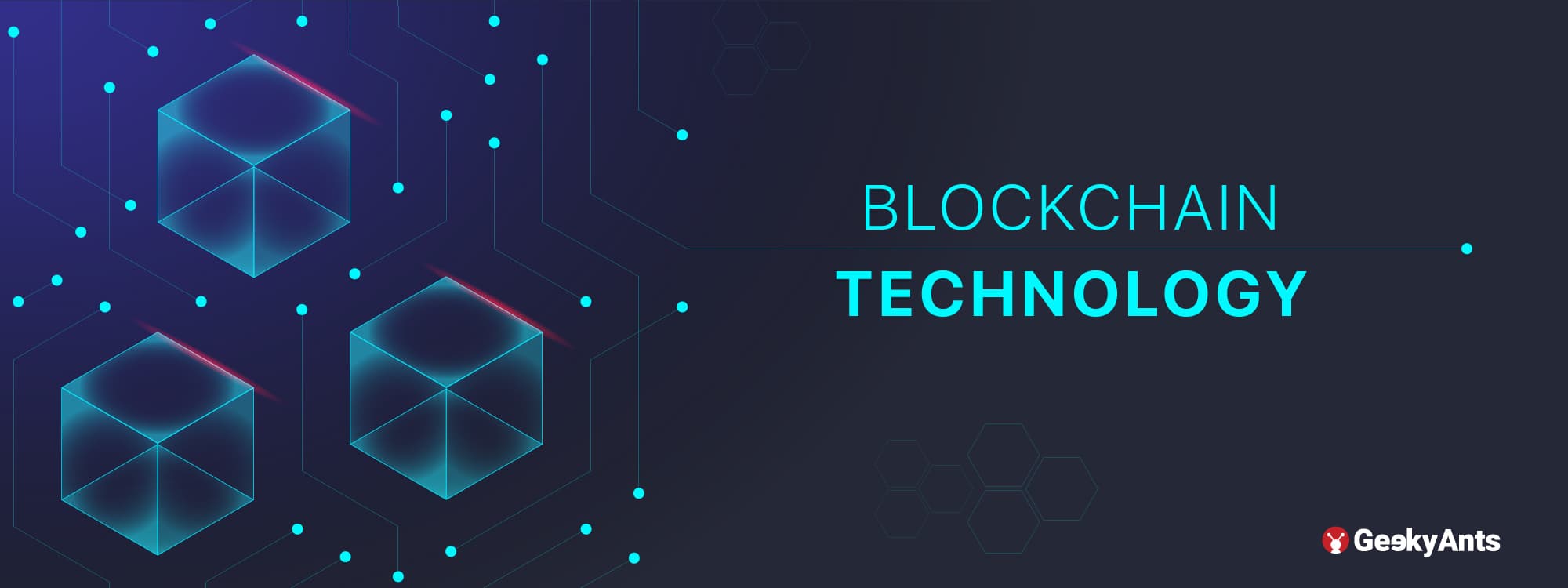
The process of data sharing for organizations requires to be transformed to provide higher reliability and security. One of the solutions to the challenges of sharing data over centralized databases includes using blockchain technology. In this article, we shall discuss the role of blockchain in data sharing and how it can help organizations make informed decisions based on unaltered data.
Introduction to Data-Sharing Through Blockchain
Blockchain is a digital ledger of transactions that get duplicated and distributed over the entire network. It offers a decentralized system for managing data and transactions in a peer-to-peer network. Unlike the traditional way of sharing data through clouds in Web 2.0, the decentralized system allows the distribution of data divided into blocks. Each block is then protected from intruders attempting to alter the data. Every change in the data needs to be validated by all peers or miners (users) in the network using advanced cryptography techniques.
Data sharing in blockchain can provide organizations with a secure way to store and distribute data. Given the decentralized nature of this network, there are no owners in the blockchain database, and the data travels through the peer-to-peer network secured by an immutable cryptographic signature. Blockchain helps make the data difficult to hack or change.
What Differentiates Blockchain Data Sharing From Web2 Platforms?
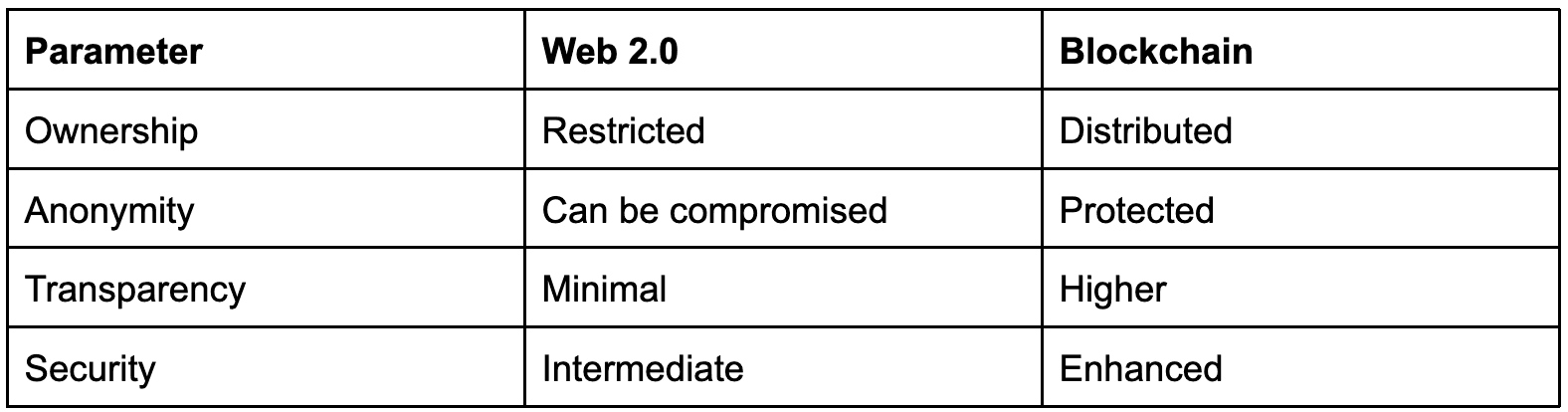
A majority of businesses currently use Web 2.0-based databases for storing and managing the flow of data throughout their organizations. The entire process of data sharing on these platforms is centralized and owned or governed by businesses or other regulatory institutions. Users hardly have any say in the kind and extent of information that gets collected and distributed.
Using blockchain technology for data sharing aims to solve this problem and provide users with more control over their data. They can choose to stay anonymous and perform all transactions with the assurance of the data being secure and unaltered in the process. However, the central databases in Web2 also provide faster data transfer compared to the decentralized structure in Web 3, where numerous nodes have the ownership of data.
Some of the major differences between data sharing in Web 2 and blockchain-based databases can be described as
What Types Of Organizations Can Benefit From Blockchain?
During the initial years following its inception, the use of blockchain was only limited to sharing financial information between organizations. Currently, a majority of organizations using blockchain technology for data sharing belong to the same industry as it provides enhanced security and anonymity. But over time other organizations have also opened up to the idea of using blockchain-based data-sharing platforms.
Organizations across the globe now use blockchain technology for audio/video streaming, smart contracts, healthcare, social networking, etc. The decreased cost of data sharing is also responsible for this shift.
What Are The Pros Of Blockchain Data Sharing?
The decentralized approach to data sharing offers numerous benefits over the cloud data sharing approach. It can change the way organizations share data in the near future. Some of the most important advantages include:
- No owners or regulators
- Increased security and privacy compared to Web 2.0
- Higher reliability
- Load balancing
- Lower costs
What Are The Cons Of Blockchain Data Sharing For Organizations?
Despite providing solutions for many shortcomings of Web 2 platforms, blockchain technology has its own limitations to overcome. Many of these challenges, belonging to development and deployment, are being solved by developers as it is just the experimental stage for blockchain technology. Some of these challenges include:
- Complicated to develop
- Complex migration
- Lack of trust
- Lengthy data alteration procedure
- Security risks
What Is The Future Of Data Sharing Through Blockchain?
Since blockchain technology is still in its experimental phase, developers are currently learning more through experiments. But leading organizations recognize the potential that blockchain technology can offer to transform data sharing for all. The advantages of data sharing in blockchain technology will surely take over the current Web 2 platforms in the coming years.
Conclusion
Both centralized and blockchain-based data sharing have their benefits and limitations. Organizations are implementing them simultaneously to make the most of both these technologies while research leads to more stable decentralized data sharing methods. We hope this article gave you a better understanding of how blockchain technology is changing the data-sharing process for organizations.
At GeekyAnts, we are on our journey to experiment and learn more about this relatively new way of sharing data. Our recent experiments using blockchain for supply management, e-voting, and global KYC chain might also help you learn more.