Agile Product Development Model
What is the Agile Product Development Model?
Greater visibility and transparency for key stakeholders
Integrated testing throughout the product lifecycle
Early identification and resolution of issues
Iterative releases and continuous integration
Enhanced adaptability through continuous communication
Predictable costs and schedule
When to Choose Agile Model?
When product quality matters the most

When you want to get started with limited planning

When time constraints are negligible

Why Choose GeekyAnts for Agile Product Development?
Regular management of project requirements based on results
Systematized project risk management
Software development aligned to project goals
Enhanced productivity and focus on quality
Higher flexibility based on the client requirements
Early results
Tools We Use

Trello / JIRA

GitHub / GitLab

Google meet / Zoom
Our Latest Thinking
From Kickoff to Delivery: How GeekyAnts Onboards Engineering Teams and Ensures Continuity
This blog explains how GeekyAnts onboards engineering teams through structured ramp-up, knowledge transfer, replacement planning, and continuity practices.
Dedicated AI Product Pod vs. In-House Hiring vs. Staff Augmentation: A Cost, Control, and Delivery Risk Comparison
Compare dedicated AI product pods, in-house hiring, and AI staff augmentation across costs, delivery ownership, management effort, and risk to choose the right model for your product roadmap.
How GeekyAnts Manages AI Models After Launch to Maintain Security, Control, and Flexibility
AI models don’t stay predictable forever. Discover how GeekyAnts’ documented projects keep model changes in check, catch performance issues, protect sensitive data, and switch providers when requirements change or issues arise.
How GeekyAnts Evaluates AI Systems for Production Readiness
This blog explains how GeekyAnts evaluates AI systems for accuracy, security, bias, cost, and performance before production, supported by real project examples.
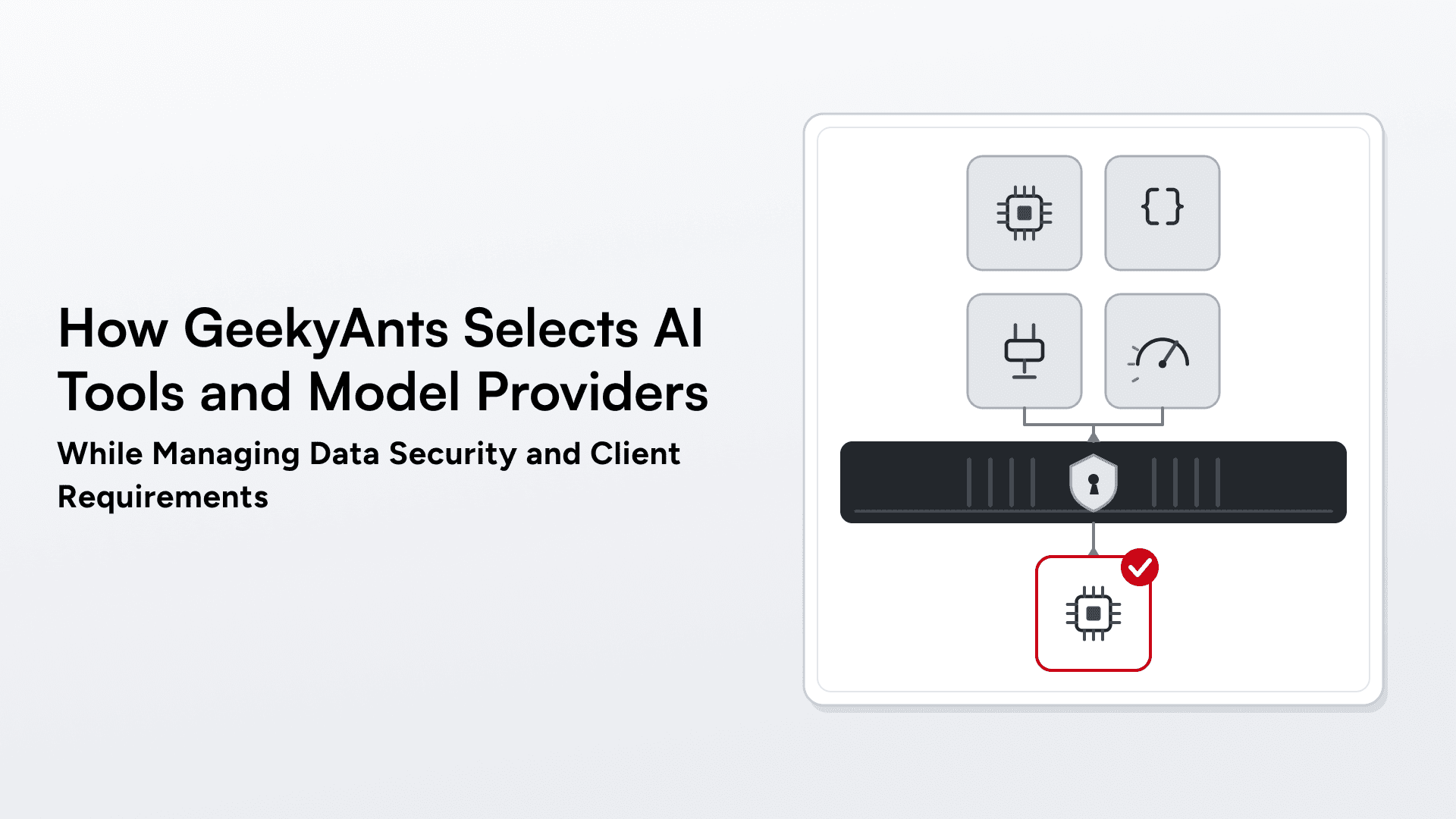
How GeekyAnts Selects AI Tools and Model Providers While Managing Data Security and Client Requirements
Explore the AI tools and model providers used in GeekyAnts’ documented projects, including Claude Code, Gemini, OpenAI, and Ollama. Learn how tool selection, data retention, subprocessors, hosting options, and client requirements shape AI adoption.
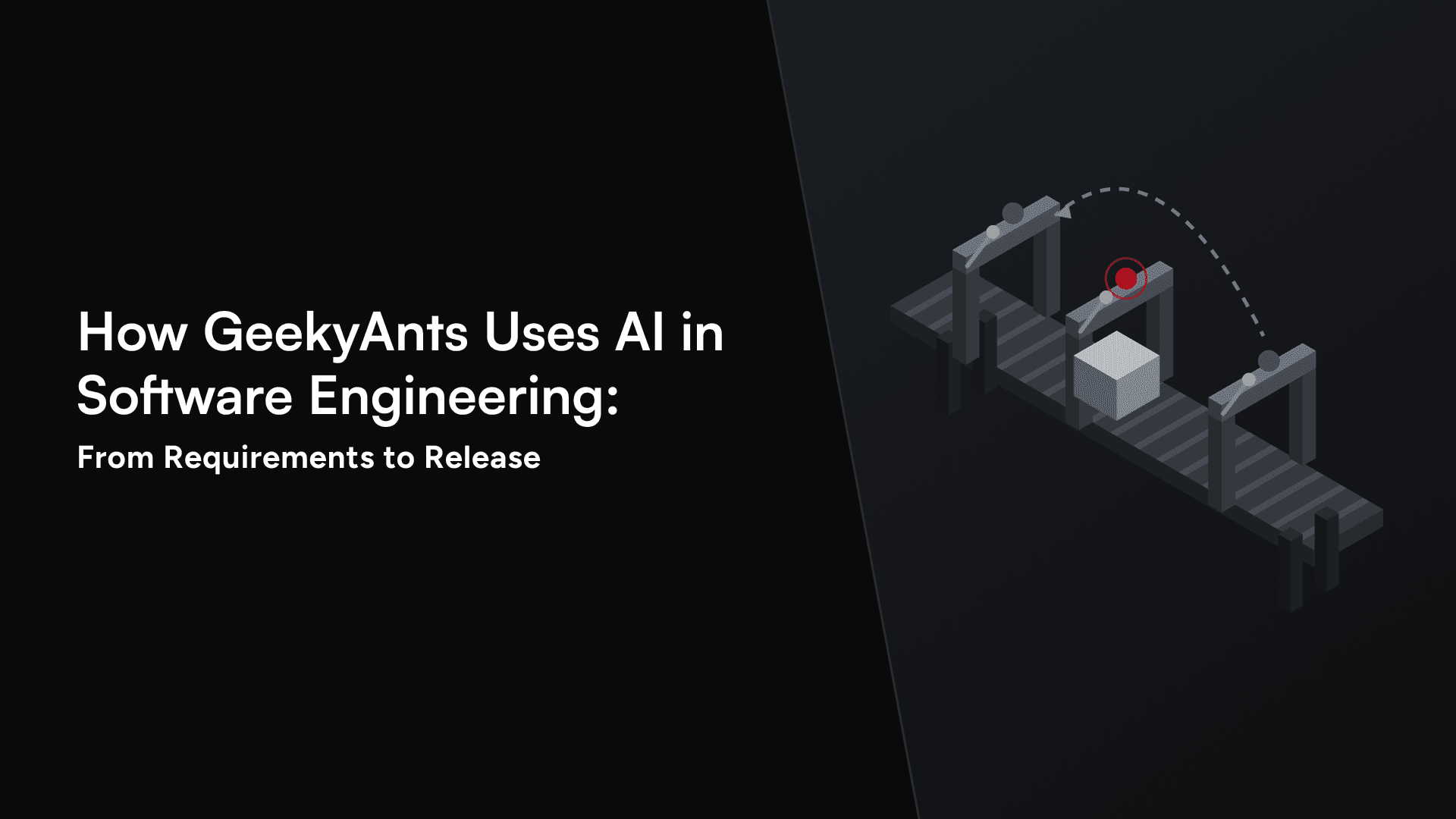
How GeekyAnts Uses AI in Software Engineering: From Requirements to Release
This blog explains how GeekyAnts uses AI across software development while maintaining human oversight, quality checks, and engineering accountability.