
Decoding the Perception
When we talk about artificial intelligence (AI), perceptions often diverge. For many, it conjures images of robots performing surgery or futuristic applications. However, the reality is more nuanced. AI is a concept that, despite its prevalence, remains somewhat abstract. Unlike tangible entities like cars, AI is a realm still evolving in the public imagination.
While we envision AI in various ways, it is essential to understand the historical roots of this concept. As early as the 1950s, philosophers like John McCarthy coined definitions of AI, describing it as the science and engineering of creating intelligent machines. In 2023, the world is on the brink of realizing these intelligent machines, with a focus on making human life more comfortable and impactful.
The Unique Role of AI in Healthcare
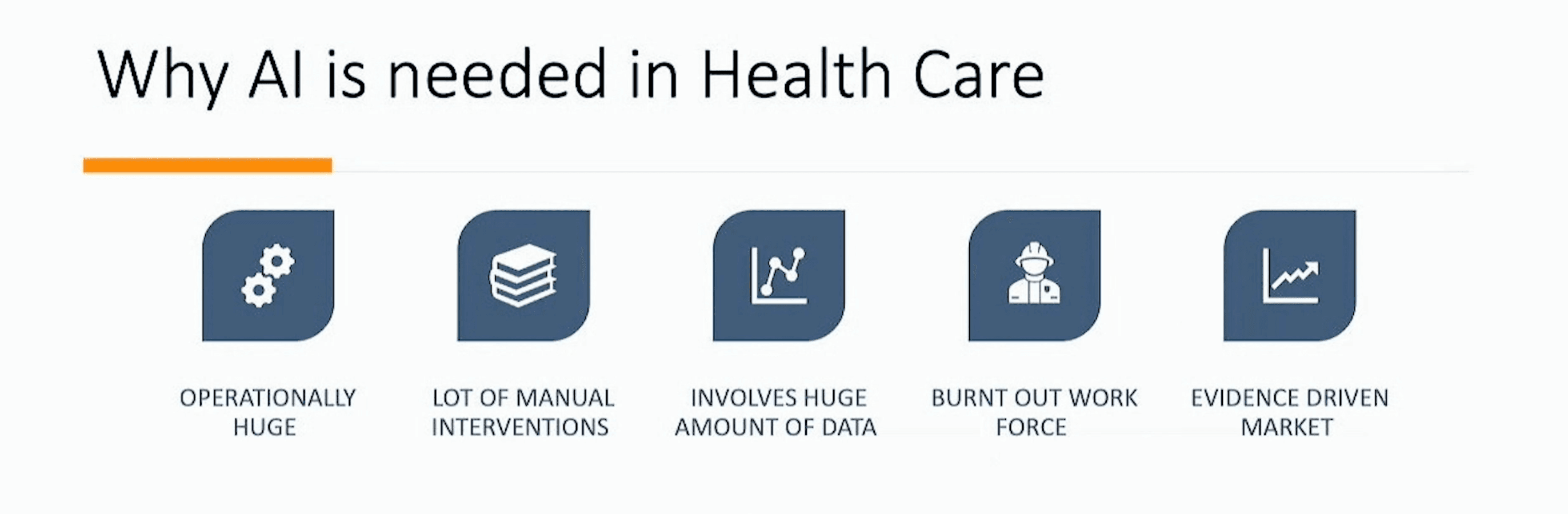
In the vast landscape of industries, healthcare stands out as an area with immense potential for AI integration. The operational complexity within hospitals, ranging from managing patient data and ordering medications to conducting diagnostics, presents a fertile ground for automation. The demand for AI in healthcare is not just driven by operational efficiency but is also fueled by the sensitivity and confidentiality of patient data.
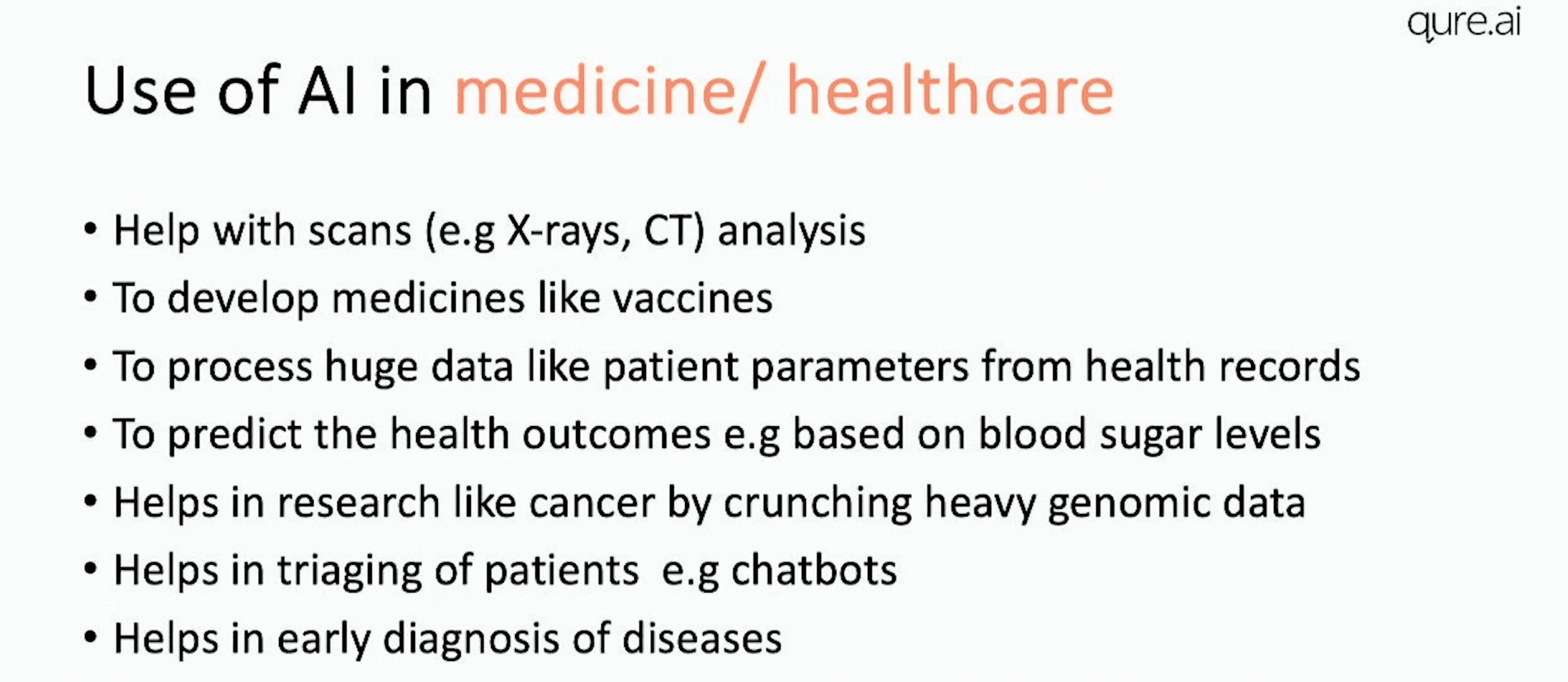
One of the significant challenges in healthcare is the sheer volume of data and the need for precision. AI, built on machine learning and deep learning models, has the capacity to analyze vast datasets efficiently. However, the unique nature of healthcare data, laden with patient confidentiality concerns, adds a layer of complexity to its integration.
Key Areas of Impact in Healthcare
1. Diagnostics Revolution
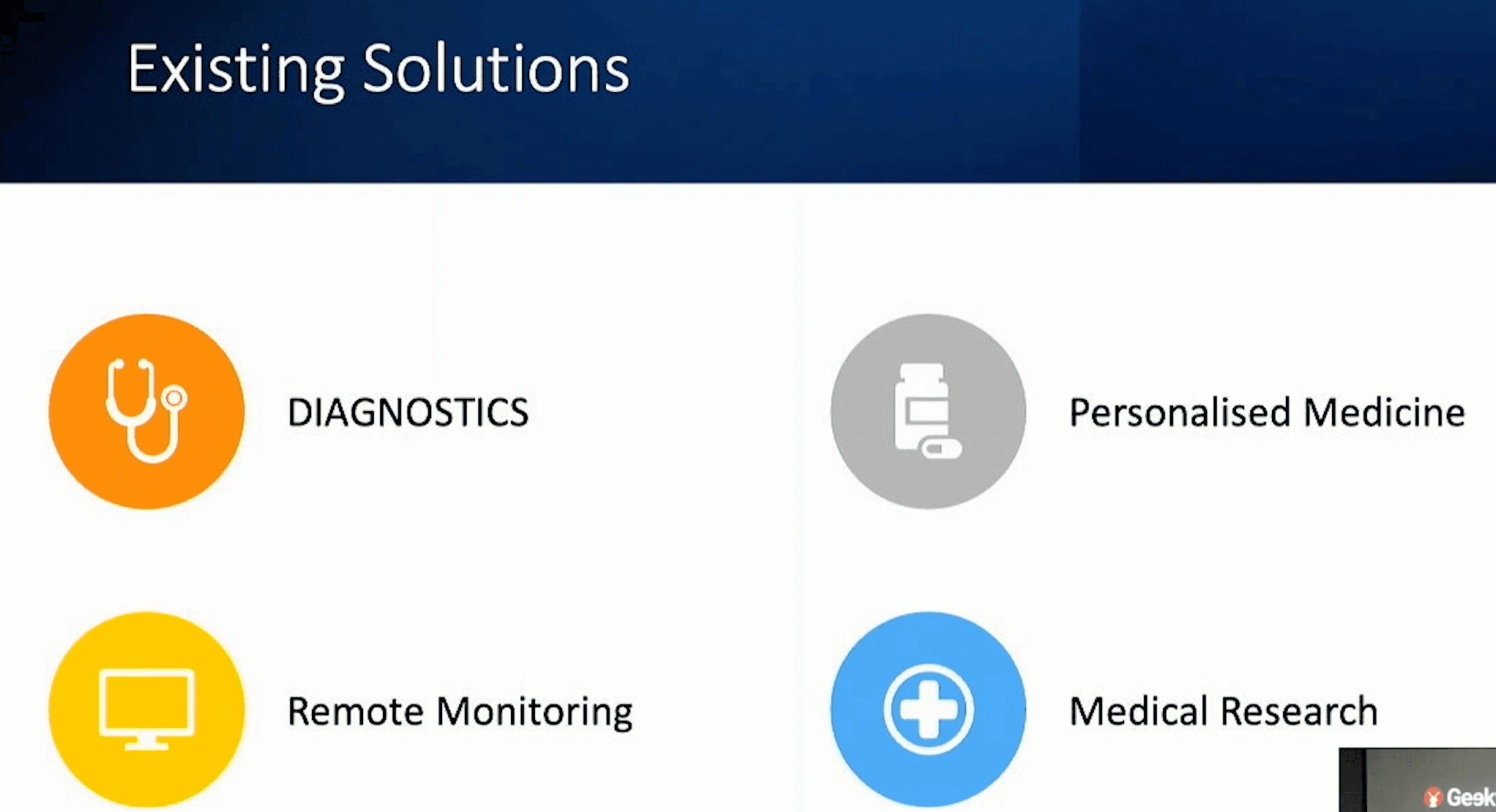
AI is making significant strides in diagnostics, transforming areas such as pathology and radiology. Companies are actively developing AI models capable of reading X-rays, CT scans, ECGs, EEGs, and more. The potential for early disease detection, personalized medicine, and even cancer screening is reshaping the diagnostic landscape.
2. Hospital Operations and Beyond
Beyond patient care, the operational aspects of hospitals offer ample opportunities for AI integration. Supply chain management, human resource allocation, and insurance claim processing are just a few areas where AI can streamline operations, reduce errors, and enhance overall efficiency.
3. Personalized Medicine
AI's ability to process and analyze vast amounts of patient data facilitates the emergence of personalized medicine. By considering genetic factors and individual health data, AI can tailor treatment plans, contributing to more effective and targeted healthcare solutions.
Realizing the Potential: Challenges and Solutions
1. Regulatory Hurdles
The regulatory landscape in healthcare is intricate and varies across regions. Obtaining clearances, such as FDA approval in the United States or CE certification in Europe, is a lengthy and complex process. Navigating these regulatory waters is crucial for the widespread acceptance of AI solutions.
2. Data Sensitivity and Confidentiality
Healthcare deals with some of the most sensitive and private data—patient records. Overcoming the challenge of reassuring stakeholders about the ethical sourcing and secure handling of data is paramount. Ethical data procurement and usage should be at the forefront of AI implementations in healthcare.
3. Universal Scalability
For AI to make a global impact, solutions must be universally scalable. Customization to fit regulatory metrics and healthcare dynamics in different countries is a challenge that demands thoughtful consideration.
4. Integration with Existing Workflows
Introducing AI into healthcare systems without disrupting existing workflows is crucial. The technology should seamlessly integrate, complementing the work of healthcare professionals rather than adding an extra layer of complexity.
Case Study: AI in Radiology at Qure.ai
Qure.ai’s Mission and Impact
At Qure.ai, the focus lies predominantly in the domain of radiology AI. With a mission to make healthcare more affordable and accessible, they navigate the challenges of regulatory clearances, ethical data handling, and global scalability. Impacting over 5 million lives annually, their AI solutions are recommended by the World Health Organization for tuberculosis screening in specific settings.
Product Portfolio
Qure.ai's product portfolio primarily revolves around X-rays and CT scans. Their AI models can detect a range of conditions, from lung cancer and tuberculosis to neuro cases and musculoskeletal issues. By tailoring their solutions to different use cases, they ensure that their products align with the prevalent healthcare challenges in various regions.
Geographic Customization
Recognizing the geographic variations in healthcare challenges, Qure.ai emphasizes the importance of customizing AI solutions. From tuberculosis prevalence in certain countries to a higher focus on lung cancer screening in others, their models are designed to adapt and address specific needs.
The Road Ahead: Charting a Course for AI in Healthcare
1. Policy-Level Support
Governments and policymakers must play a crucial role in shaping the future of AI in healthcare. Clear policies and supportive frameworks can accelerate the acceptance and integration of AI solutions. Collaborations between the tech industry and healthcare stakeholders can foster a conducive environment for innovation.
2. Research and Academia
Continued research, collaboration, and knowledge-sharing among academia, researchers, and AI practitioners are vital. Building a community that learns from real-time deployments and grounds its advancements in empirical evidence will drive the evolution of AI in healthcare.
3. Behavioral Considerations
Understanding the behavioral aspects of healthcare professionals and end-users is paramount. AI solutions should not disrupt existing workflows but seamlessly integrate into the healthcare ecosystem. The focus should be on enhancing, not replacing, the capabilities of healthcare practitioners.
4. Economic Impact
AI in healthcare can have a substantial economic impact by optimizing resource allocation. Streamlining processes, reducing unnecessary tests, and improving diagnostic accuracy can lead to long-term financial benefits for healthcare systems and patients alike.
Summing Up
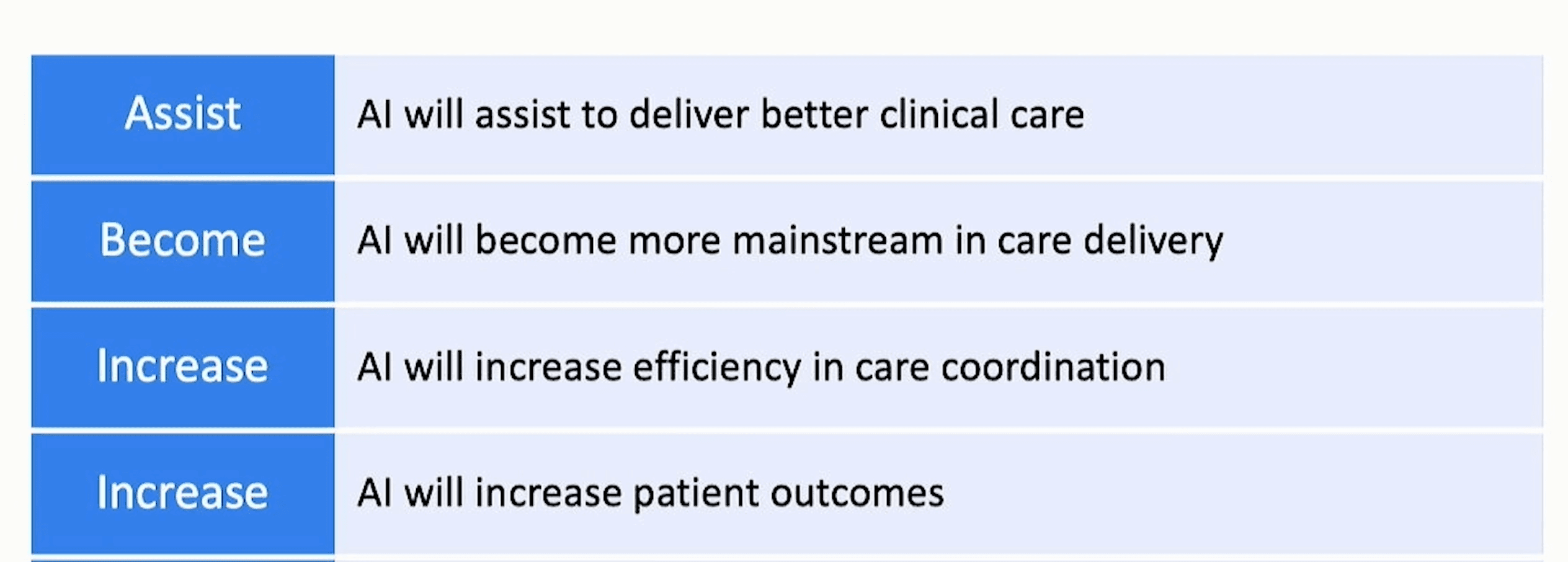
AI in healthcare is on the cusp of a transformative era. The potential for improving patient outcomes, streamlining operations, and making healthcare more personalized is immense. As we navigate the challenges and opportunities on this journey, collaboration, regulatory clarity, and a commitment to ethical practices will be the guiding lights illuminating the path forward.
Please check out the entire video here 🔽