

Editor Note: This article was originally written by Prince Kumar Thakur and published in January 2025. It was revised and updated by Harrini in September 2026 to refresh technology recommendations, security best practices, integration guidance, regulatory considerations, testing recommendations, and FAQs to reflect current stock trading app development practices. The technical content was reviewed by Robin, Senior Business Analyst.
Building a stock trading app is like designing a skyscraper. It demands a solid foundation, precise planning, and innovative features to stand tall in a crowded skyline.
The process begins with defining your business’s target users, choosing the right technology stack, integrating market data APIs, using secure trade execution, following compliance with financial regulations, and testing the platform before launch. In 2022, digital trading reshaped the financial world, with platforms like Robinhood amassing over 22 million users and setting a new benchmark for investment platforms.
This blog serves as your comprehensive guide to building a stock trading app that not only stands out but also meets modern user demands. By the end, you will know how to define essential features, ensure legal compliance, and create a platform that empowers users and drives growth.
Let’s dive into the journey of creating a trading platform that is not an app but a competitive edge in the evolving world of fintech.
What Is a Stock Trading App and How Does It Work?
Stock trading apps have revolutionized how individuals and businesses engage with financial markets, replacing paperwork and in-person consultations with seamless smartphone functionality. These apps provide real-time data, easy navigation, and accessibility, transforming investment processes into a few simple taps.
Key Business Benefits of Stock Trading Apps
- Market Accessibility: Simplifies trading for new investors, expanding the customer base.
- Data-Driven Decisions: Offers actionable insights to improve retention and monetization.
- Customer Engagement: Builds loyalty with intuitive designs and personalized features.
How Stock Trading Apps Work
Stock trading apps simplify market operations with cutting-edge technology. Here’s how:
- Real-Time Market Access: Apps connect to exchanges through APIs, delivering live updates on stock prices and trends. For instance, during the GameStop surge in 2021, real-time data enabled investors to act quickly.
- Simplified Transactions: Secure gateways, encryption, and multi-factor authentication ensure fast and safe trades, building user trust.
- Intuitive Dashboards: Platforms like E*TRADE and Fidelity offer easy-to-navigate interfaces, simplifying portfolio management and decision-making.
- AI-Driven Personalization: AI-powered tools recommend stocks, optimize portfolios, and provide personalized alerts, as seen in Wealthfront’s app.
- Robust Security: Features like biometric logins and encryption ensure compliance with global standards (e.g., GDPR, SEC), reinforcing user trust. Robinhood’s improved safeguards highlight the importance of robust security.
Prerequisites Before Building a Stock Trading App
Before the development process starts, it is crucial to validate your business model, understand the regulatory requirements in your target market, select market data providers and trading APIs.
Step-by-Step Guide to Building a Fully Custom Stock Market Trading App
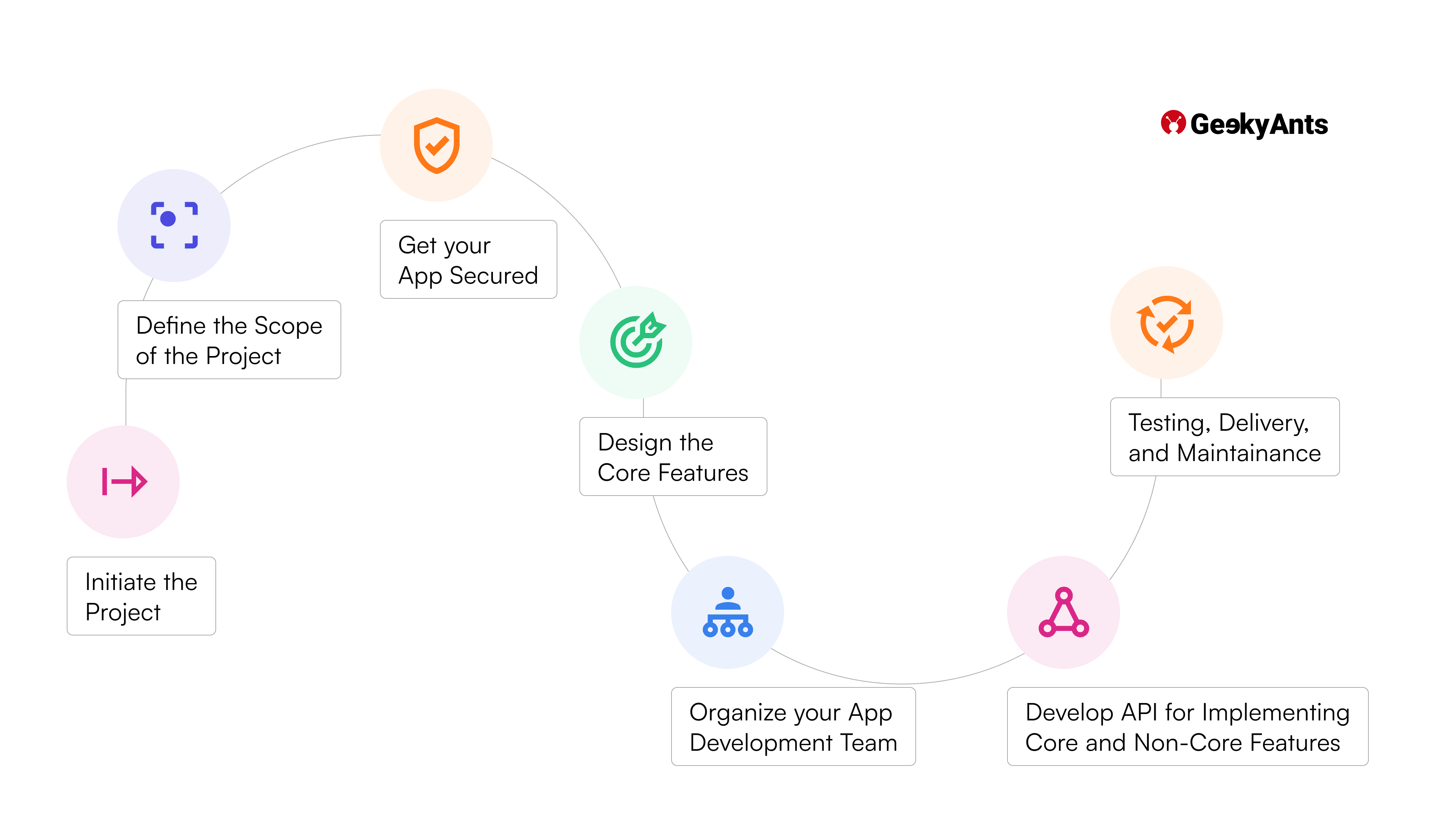
Building a stock trading app isn’t just about features—it’s about crafting solutions that meet evolving user needs. At GeekyAnts, we’ve developed secure and scalable trading platforms, gaining insights we’re excited to share. Platforms like Robinhood have redefined the market by focusing on accessibility, doubling their user base in two years. With this guide, we will show you how to build a standout trading app that empowers users, ensuring regulatory compliance, and drives growth.
1. Start with a Clear Plan
Every successful app begins with a comprehensive strategy that addresses critical questions:
- What specific problem will the app solve?
- Who is the target audience? Beginners, experienced traders, or a niche group?
- What key metrics will define success?
For instance, E*TRADE’s initial focus was on creating an inclusive platform that served both casual investors and professionals. This clarity in purpose shaped its roadmap, ensuring that the app’s design and features aligned with diverse user needs. Setting a budget, timeline, and technical requirements early on creates a foundation that streamlines the entire development process.
2. Define the Core Features
The choice of features can determine whether your app becomes a tool of convenience or a market leader. Webull, for example, identified advanced charting tools as essential for attracting professional traders. By catering to this specific need, it secured a loyal user base.
- Must-Have Features: Real-time market data, secure login, trade execution, and portfolio tracking.
- Value-Adding Features: Newsfeeds, educational content, and personalized notifications.
Defining and prioritizing these features ensures your app focuses on what matters most to your target audience while leaving room for future scalability.
3. Design the User Experience (UX)
An intuitive and consistent user experience is critical for adoption and retention. Consider Robinhood’s success in creating clean dashboards that simplified trading for first-time investors. The key lies in balancing simplicity with functionality:
- Streamlined Navigation: Users should be able to execute trades or view portfolios with minimal effort.
- Consistent Cross-Device Design: A seamless experience across mobile, tablet, and desktop platforms builds trust and encourages engagement.
Wireframes and prototypes can help visualize workflows and identify areas for improvement before moving to development.
4. Assemble Your Development Team
Your team’s expertise is pivotal to your app’s success. A well-rounded product development team typically includes:
- Frontend Developers: Design interactive, user-facing interfaces.
- Backend Developers: Manage server-side operations and data integrity.
- UI/UX Designers: Craft visually appealing and functional designs.
- QA Testers: Ensure the app functions flawlessly under varying conditions.
Additionally, these roles ensure smooth planning and execution:
- Product Manager: Creates the product roadmap based on market research and user interviews.
- Product Owner: Converts the product roadmap into actionable development backlogs.
- Business Analyst: Documents the product roadmap and ensures alignment between stakeholders and the development team.
- Project Manager: Drives the development process, managing resources and budgets.
5. Develop APIs for Core Functionalities
APIs form the backbone of trading apps, enabling real-time data exchange and integrations. Robust API infrastructure is essential for scalability:
- Core APIs: Provide functionalities like stock data, transaction processing, and account management.
- Additional APIs: Enable advanced features like analytics, newsfeeds, or social trading capabilities.
By investing in a well-architected API ecosystem, you ensure that your app remains adaptable as market and user needs evolve.
6. Focus on Security
In fintech, trust is non-negotiable. Security measures must go beyond compliance to instill confidence in users:
- Data Encryption: Protect sensitive information during storage and transmission.
- Multi-Factor Authentication: Add an additional layer of security through OTPs, authenticator apps, or biometric verification during logins.
- Role-Based Access Control: Restrict access to sensitive systems and user data based on roles.
- Fraud Detection and Monitoring: Identify suspicious login attempts and unusual transaction activity.
- Regulatory Compliance: Align with standards like GDPR, CCPA, and SEC guidelines to avoid legal risks and build credibility.
For instance, TD Ameritrade’s commitment to enhanced security protocols significantly boosted user confidence, demonstrating the direct correlation between security and customer loyalty.
7. Test, Launch, and Maintain
Rigorous testing ensures a flawless user experience from day one. Before launching, conduct:
- Functional Testing: To validate that all features work as intended.
- Integration Testing: To ensure APIs, payment gateways, and third-party services communicate correctly.
- Performance and Load Testing: To assess the app’s stability under high user loads.
- Security Testing: to identify vulnerabilities through penetration testing and security audits.
- Beta Testing: To gather real-world feedback and refine the app.
Post-launch, ongoing updates based on user behavior and market trends are essential. Apps like Fidelity Investments consistently innovate by introducing new features and optimizing existing ones, ensuring their relevance in a competitive landscape.
Essential Features of a Modern Stock Trading App
What sets a stock trading app apart? It’s not just features but their ability to solve user problems and deliver value. The right features can transform an app into a powerful tool for growth and financial empowerment.
- Real-Time Data: Provide instant stock prices and trends for informed decisions.
- Fast Trade Execution: Secure, low-latency transactions build user trust.
- Customizable Dashboards: Allow users to prioritize the data they value most.
- Push Notifications: Keep users informed with timely price and market alerts.
- AI-Powered Insights: Offer personalized stock recommendations, portfolio optimizations, and behavioral nudges to encourage diversification and smarter trading.
- Ethical and Sustainable Trading Options: Attract socially conscious users with features that prioritize ethical investments or sustainability-focused portfolios.
- Robust Security: Ensure data protection with encryption and multi-factor authentication.
- Educational Tools: Attract beginners with tutorials, guides, and market insights.
- Social Trading: Enable users to follow and replicate successful investor strategies.
- Gamification: Use badges and leaderboards to make investing engaging and fun.
Apps like Robinhood, Wealthfront, and eToro demonstrate that features are more than functionalities—they’re strategic tools to build loyalty, drive growth, and stand out in a crowded market. By incorporating innovative and user-focused features, your app can lead the way in financial empowerment.
Legal Factors To Consider
Building a stock trading app goes beyond functionality—it must meet strict legal requirements to safeguard users and protect your business. Here’s a concise overview of key legal aspects:
- Regulatory Compliance: Register with authorities like the SEC (U.S.) or equivalent in your region. Obtain necessary licenses, such as FINRA or broker-dealer certifications, to avoid hefty penalties.
- Data Privacy: Adhere to laws like GDPR (EU), CCPA (U.S.), and PIPEDA (Canada). Use encryption, secure data storage, and transparent consent policies to protect user information.
- AML & KYC: Implement processes to verify user identities, monitor transactions, and report suspicious activity, ensuring compliance with anti-money laundering regulations.
- Terms of Service (ToS): Clearly define user rights, fees, and account conditions to minimize legal disputes and set transparent rules for app usage.
- Customer Support: Provide accessible support channels and transparent dispute resolution to meet legal obligations and enhance user trust.
- Cybersecurity: Conduct regular security audits, implement multi-factor authentication, and monitor systems in real-time to prevent breaches and meet regulatory standards.
- Intellectual Property: Protect unique algorithms and branding with trademarks and patents. Ensure proper licensing for third-party software or APIs.
By addressing these legal factors, you can build a secure, compliant app that fosters trust and mitigates risks.
Top Successful Stock Market Apps and their cost of development
What makes a stock trading app a market leader? It’s not just features—it’s how they empower users and redefine investing. From beginners to seasoned traders, these apps have set the gold standard. Here’s what makes Robinhood, TD Ameritrade, and Acorns dominate the market:
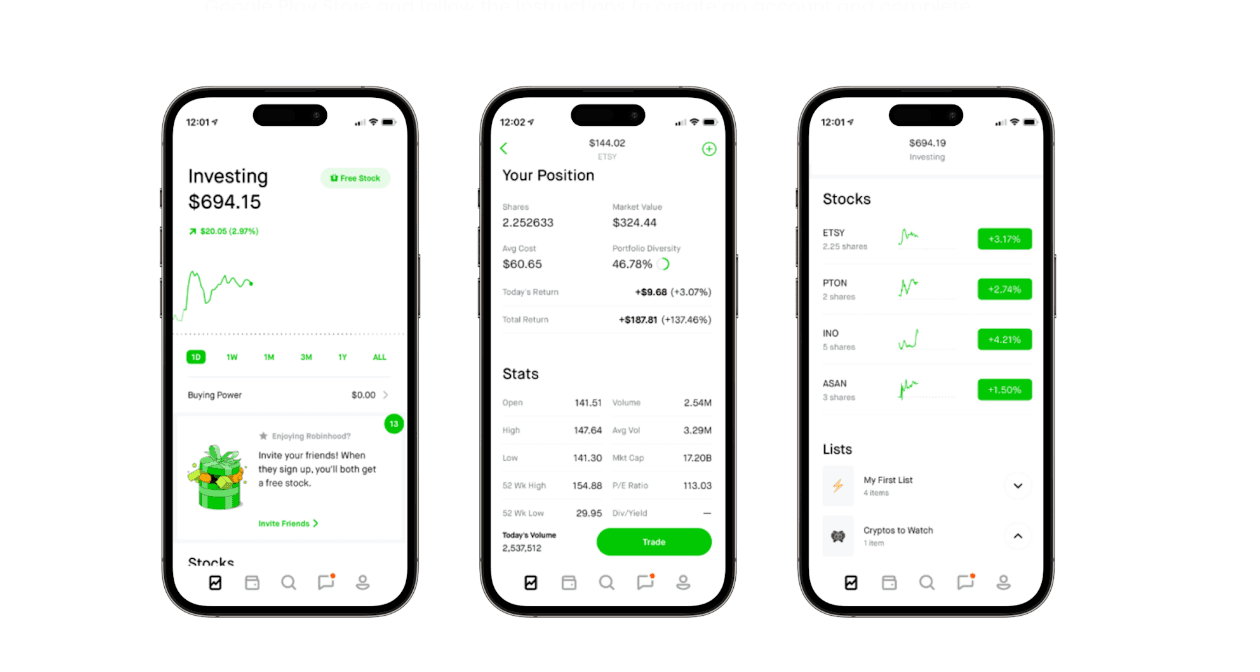
Robinhood
Founded in 2013, Robinhood revolutionized investing with its commission-free trading, attracting 22M+ users by 2023.
- Key Features:
- No trading fees and fractional shares for affordability.
- Simple, mobile-friendly design for beginners.
- Cryptocurrency trading is available.
- Pros: Easy to use, cost-effective trades.
- Cons: Limited research tools, and slow customer support.
- Cost of Development: $200,000–$300,000, depending on features like cryptocurrency trading and advanced analytics.
TD Ameritrade
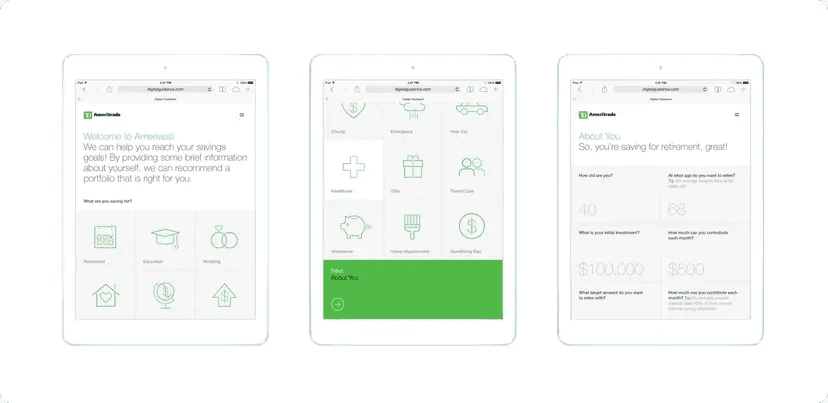
Established in 1975, TD Ameritrade combines trust and innovation, serving 11M+ users with top-notch trading tools.
- Key Features:
- Thinkorswim platform with advanced analytics.
- Extensive educational resources for all skill levels.
- No commission fees for stocks and ETFs.
- Pros: Robust tools for experts, excellent educational support.
- Cons: Complex interface, high fees for certain trades.
- Cost of Development: $300,000–$500,000 for advanced analytics, educational tools, and scalability.
Acorns
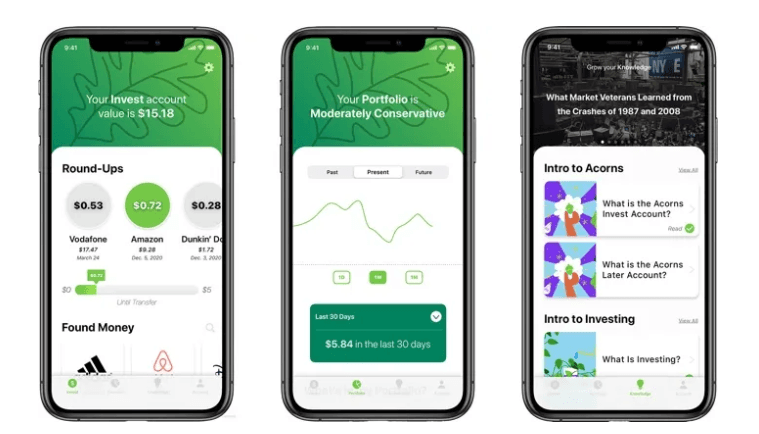
Since 2012, Acorns has simplified investing for 10M+ users with its micro-investing and automated saving tools.
- Key Features:
- Round-up feature for effortless investing.
- Automated portfolio management based on risk.
- Retirement savings with IRAs.
- Pros: Ideal for passive investors, low fees for small accounts.
- Cons: Limited to ETFs, no individual stock trading.
- Cost of Development: $100,000–$200,000 for core features like micro-investing and automation.
These apps succeed not just by meeting expectations but by redefining them, proving that thoughtful design and innovation are the keys to market leadership.
Why Choose GeekyAnts for Your Custom Stock Trading App Development Partner?
With over a decade of fintech expertise, GeekyAnts delivers scalable, secure, and tailored stock trading apps that empower businesses to lead in a competitive market.
What is GeekInvest?
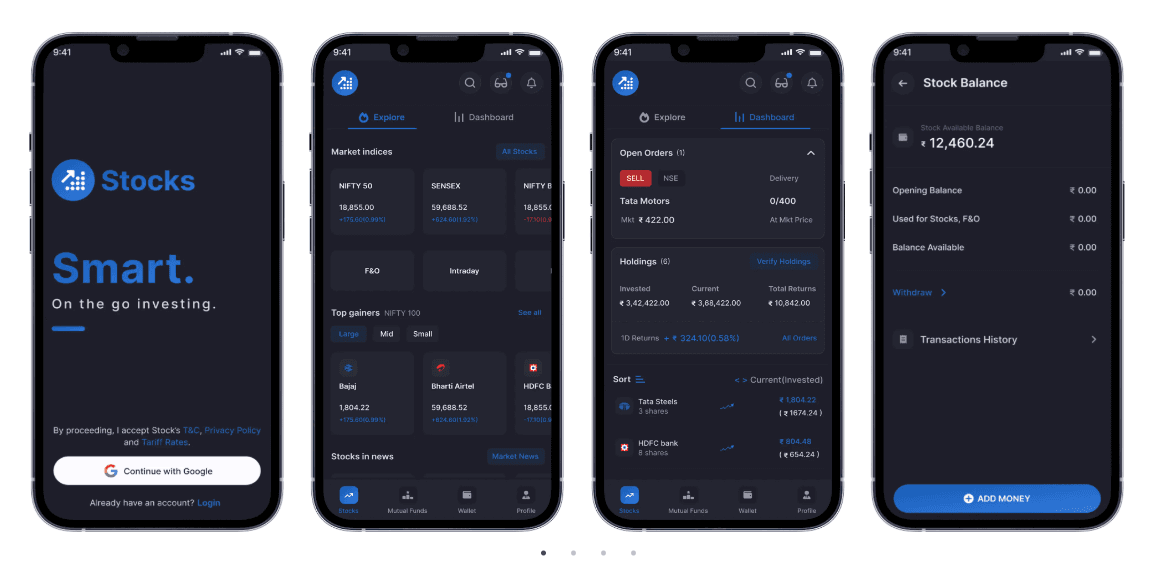
GeekInvest is our proprietary framework designed to streamline stock trading app development. It offers advanced features like FIFO matching engines, real-time data integration, and intuitive dashboards, enabling businesses to save 50% on costs and achieve 2x faster delivery. As creators of GeekInvest, we bring unmatched expertise to every project. Learn more about GeekInvest here.
- GeekInvest Advantage: Save 50% on costs and achieve 2x faster delivery with GeekInvest, offering advanced features like FIFO matching engines, real-time data, and intuitive dashboards.
- App Inventor Platform: Build trading apps from scratch with seamless integration of GeekInvest’s capabilities, ensuring flexibility and high performance.
- Proven Results:
- A financial firm reduced development time by 50% and launched a high-performance app ahead of schedule using GeekInvest.
- A millennial-focused banking app was revamped with real-time insights, goal tracking, and enhanced usability, boosting user engagement significantly.
Read the case study.
- Modern Tech Stack: React Native, Redux, and Nest.js deliver cross-platform compatibility and scalable infrastructure to support millions of users.
In addition, PostgreSQL, Redis, WebSockets, and cloud platforms like AWS, Google Cloud, or Azure, provide a scalable infrastructure that can support millions of users.
Join industry leaders who trust GeekyAnts to deliver cutting-edge fintech solutions. Contact us today to transform your vision into a market-leading stock trading app!
Conclusion
Building a stock trading app requires precision, innovation, and expertise. Success lies in defining essential features like portfolio tracking, market alerts, and robust security while leveraging real-time data and cross-platform compatibility.
With fintech demand soaring, now is the time to capture market share and meet evolving customer needs. GeekyAnts, with over a decade of expertise, specializes in creating secure, scalable, and customizable trading apps. Let’s bring your vision to life—contact GeekyAnts today to build a market-leading stock trading app!