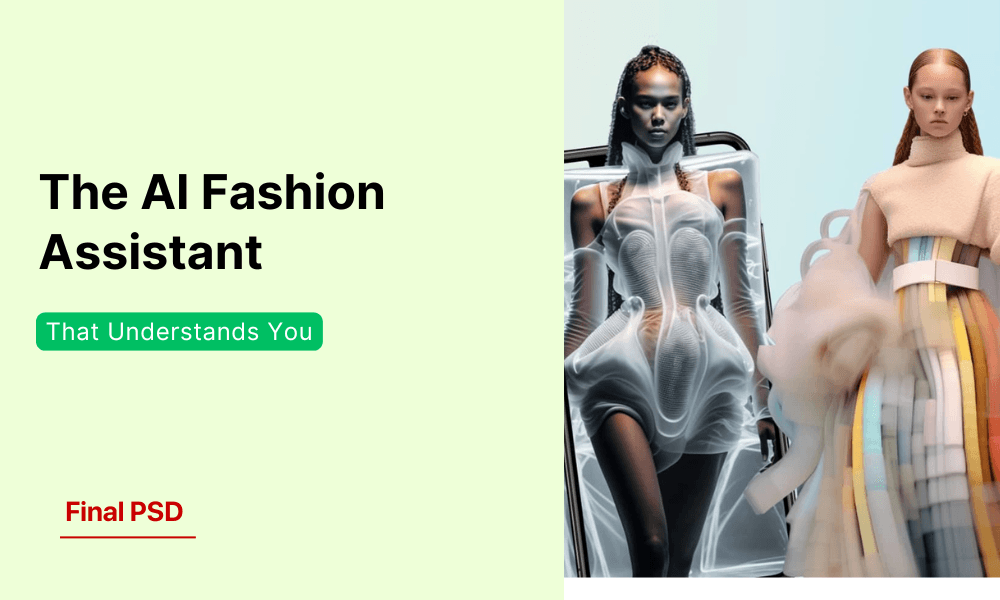

Editor’s Note: This blog is based on the presentation of FutureFit, an AI-driven fashion tech product developed as part of an internal showcase at GeekyAnts. The team explored how artificial intelligence, voice and gesture recognition, and augmented reality can come together to redefine how we shop, dress, and interact with fashion. This blog captures their concept, prototype, and vision for the future of AI-powered shopping.
Team Members: Arjun, Joswin, Yash
A Smart Wardrobe Starts With Knowing You
Hi, I am Joswin. And like many of us, I have had moments where picking the right outfit felt unnecessarily complicated. What if you are headed to a casual coffee catch-up—should you wear a velvet suit? Probably not. But what if your wardrobe actually knew that?
That’s what inspired FutureFit, our AI-powered personal fashion assistant. It understands your style preferences, from fit and fabric to color and cut, and recommends what to wear—based on the occasion, weather, and even your past choices. It’s not generic. It’s not predictive. It’s personal.
What Makes FutureFit Different?
FutureFit is not about scrolling through static product grids or checking boxes on a shopping filter. It’s a conversational, immersive experience where the AI knows what suits you, and shows it to you in real time. It responds to your voice, your gestures, and even your past behavior.
We integrated AR and VR to let users try outfits virtually. Just like LensKart lets you test eyewear through your camera, FutureFit allows you to preview clothes on your virtual model, personalized to your shape, tone, and preferences. From exploring fits to tweaking colors—it’s interactive, visual, and incredibly intuitive.
The Tech That Brings It to Life
Let me break it down. FutureFit has two AI-powered prototypes:
- Voice-Based Interaction:
You can talk to your assistant like you would to a friend. Ask, “Show me a red sweatshirt,” and it pulls up options instantly. Want to change the color? “Switch it to green.” The system understands natural language through voice ML, processes preferences, and updates suggestions on the fly. - Gesture-Controlled Model:
Our second prototype runs on computer vision and gesture recognition. You can scroll through your wardrobe or product catalogue using hand movements—making the shopping experience feel futuristic and hands-free.
Each version is backed by an AI model trained on your personal style history. It knows whether you prefer tailored fits or relaxed cuts, bold colors or neutrals, and suggests accordingly. It’s a fashion assistant that doesn’t guess—it remembers.
From Virtual Try-On to Real-Time Customization
But we didn’t stop there.
FutureFit also envisions at-home 3D sewing capabilities. With a connected smart sewing machine, you could click “Stitch This” and have the outfit tailored and assembled on the spot. You could upload your logos, edit patterns, or create fully custom pieces—powered by real-time design changes and AI-driven sizing.
Every suggestion adapts as you interact. Prefer long sleeves? Tapered cuts? The AI adjusts in real time. And because the assistant runs locally, all your preferences stay on-device—ensuring data security without losing personalization.
Built for Users. Designed for Businesses.
Hi, I am Yash. While most of the focus has been on the user experience, we also designed FutureFit with backend operations in mind.
From an admin’s perspective, the platform integrates AI to handle:
- Automated Inventory Management: AI predicts demand trends, flags out-of-stock or overstock situations, and helps optimize stock levels across product categories.
- 24/7 Chatbot Support: A dual-purpose AI chatbot supports both users and admins. On the customer side, it can suggest fashion tips or quick buys. On the admin side, it acts as a first layer of communication—resolving queries, triaging requests, and reducing manual load.
It’s not a shopping tool—it’s a system that keeps both front-end and back-end teams aligned and efficient.
What About the Business Impact?
When LensKart introduced VR-based product previews, their revenue increased by 1.5x in the first year and scaled nearly 4x by 2023. That growth wasn’t driven by gimmicks, but by a more immersive and personalized customer experience.
FutureFit is built on the same principle. By combining AI, AR, and behavioral data, it transforms personalization into a revenue engine, boosting conversions, reducing returns, and deepening engagement at every step of the journey.
Key Highlights at a Glance
- AI-powered outfit recommendations based on individual preferences
- Voice and gesture-based interaction with real-time response
- AR/VR-enabled virtual try-on
- In-app customization for patterns, colors, and logos
- Local processing for privacy-first personalization
- AI for backend inventory management and customer support
- Future integration with smart sewing tech and fashion data pipelines
Final Thoughts: Fashion That Thinks With You
FutureFit is more than a concept—it’s a blueprint for how AI, AR, and personalization can transform fashion retail. Whether you are shopping for a quick meetup or planning your entire wardrobe for the week, this assistant learns, adapts, and delivers exactly what fits you—literally and stylistically.
It’s not about browsing. It’s about building a system that understands your fashion identity and evolves with it. That’s where the future of fashion lies—and with FutureFit, we’re already there.