
Retail is at the heart of human interaction, shaping how we experience brands and products, whether through the curated ambience of a boutique store or the personalized convenience of a digital recommendation. As consumer behaviors evolve, the industry finds itself at a crossroads: how to seamlessly merge the immediacy of physical stores with the scalability and intelligence of digital platforms.
According to Statista, global retail sales are projected to surpass $33 trillion in 2025, with e-commerce contributing over 22%. Yet, Deloitte's consumer insights reveal a striking reality: 68% of shoppers still prefer visiting physical stores for categories like apparel, electronics, and luxury goods. This dual preference underscores a critical challenge for retailers—balancing the convenience of online shopping with the tactile and sensory-rich experiences of in-store interactions.
Retail leaders like Walmart are setting the benchmark for this transformation. By integrating cloud technologies with physical operations, Walmart has revolutionized inventory management and enhanced customer experiences through real-time data synchronization. This hybrid strategy illustrates the immense potential of combining digital innovation with traditional retail strengths to meet modern consumer expectations.
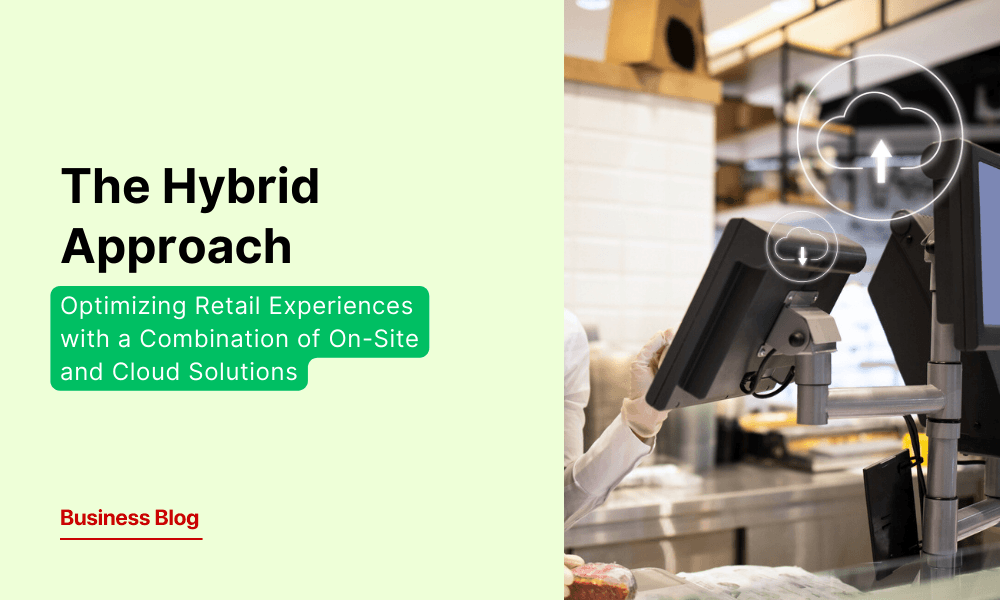
This blog delves into how the hybrid model, powered by on-site and cloud solutions, is redefining the retail landscape. With actionable insights and real-world examples, it serves as a guide for businesses navigating this dynamic marketplace.
Why Retail Needs a Hybrid Approach
As consumer behavior evolves, retailers face an undeniable shift in expectations. Shoppers now seek a harmonious blend of digital and physical—seamless online convenience coupled with the tangible, curated experiences of in-store visits. Yet, bridging this divide comes with unique challenges that traditional models often struggle to meet:
- Fragmented Operations: In 2023, a major footwear retailer faced backlash during a seasonal sale when customers who found products available online encountered empty shelves in-store. The disconnect, caused by a lack of real-time inventory synchronization, highlighted operational inefficiencies. To resolve this, the retailer adopted a hybrid model integrating cloud-based inventory systems. This change not only bridged the online and offline divide but also allowed features like “buy online, pick up in-store,” significantly improving the customer experience. Such hybrid strategies ensure that retailers avoid operational fragmentation, fostering seamless and dependable shopping journeys.
- Demand for Real-Time Data: Today’s shoppers expect instant stock updates and tailored recommendations. Consider a retailer leveraging real-time insights to alert customers about restocked items or suggest complementary products. Such personalization not only delights but fosters loyalty.
- Competitive Pressures: E-commerce giants have redefined convenience with swift deliveries and AI-driven suggestions. To stay relevant, physical stores must innovate—integrating online capabilities like click-and-collect services to create unique, value-driven experiences.
By weaving the immediacy of physical retail with the intelligence and scalability of cloud-based systems, a hybrid approach equips retailers to exceed modern consumer expectations. It’s not merely a strategy but a necessity to thrive in an increasingly dynamic marketplace.
The Role of On-Site Technology
On-site technology is key to hybrid retail. It enhances in-store experiences to meet digital-savvy customers' expectations. By combining physical interactions with advanced tools, retailers can improve operations. They can reduce friction and offer seamless, personalized shopping experiences.
Smart Shelves: Revolutionizing Inventory Management
Smart shelves with IoT sensors track inventory, solving stockout and overstocking issues. They alert staff when products are low, keeping shelves stocked. Sephora is a prime example. The beauty retailer uses these shelves to check product availability. This allows staff to restock popular items on time. As a result, customer satisfaction increases and sales improve.
In-Store Analytics: Redesigning the Customer Journey
Advanced tools, like heat-mapping cameras and IoT sensors, track foot traffic and customer behavior. This gives retailers useful insights. For example, Nordstrom used in-store analytics to see how customers moved around their stores. They then redesigned the floor plan. High-demand products were placed in areas with more foot traffic. The result? An 8% sales increase in those sections. This shows how data-driven insights can boost revenue and customer engagement.
Contactless Payment Solutions: Simplifying Checkout
Demand for quick, easy checkouts has surged. Now, self-checkout kiosks and NFC options like Apple Pay are vital. They cut wait times and boost convenience. A 2023 Mastercard study found that retailers using these systems checked out customers 40% faster. This, in turn, raised satisfaction and sales.
By adopting these technologies, retailers merge physical and online shopping. This makes stores more efficient and better aligned with customers' needs.
The Cloud Advantage
While on-site technologies enhance immediate customer interactions, cloud solutions provide the backbone of a hybrid retail model by offering scalability, real-time insights, and advanced analytics. Together, they ensure retailers stay agile and competitive.
Real-Time Inventory Management: Enhancing Availability
Cloud-based platforms unify physical and digital inventory management, providing real-time updates. Zara exemplifies this. It uses a global cloud system to track stock. This enables swift restocking and reduces lost sales. This seamless integration ensures products meet demand, enhancing the shopping experience.
Personalization Through AI: Tailoring Customer Journeys
Cloud-powered AI transforms customer interactions with hyper-personalized recommendations. Amazon's recommendation engine drives 35% of its revenue. It shows the power of tailored suggestions. This personalization fosters loyalty and drives repeat purchases, cementing customer trust.
Streamlined Operations: Boosting Efficiency
The cloud automates key supply chain processes. It covers forecasting to delivery tracking. This cuts costs and improves logistics. This approach helps retailers predict demand and adapt to market changes. It ensures efficiency and competitiveness.
By bridging physical stores with digital systems, cloud solutions empower retailers to operate at scale, deliver personalized experiences, and streamline operations—ensuring they thrive in today’s dynamic market.
How the Hybrid Model Delivers Value
The hybrid approach transcends technology integration, focusing on delivering seamless, value-driven experiences for both customers and businesses.
- Enhanced Customer Engagement: By blending real-time updates with personalized interactions, brands create stronger connections with customers. Starbucks exemplifies this by combining its mobile app with in-store experiences, offering tailored promotions and convenient order-ahead options that enhance loyalty and convenience.
- Operational Efficiency: Hybrid models streamline operations. Retailers like Target have leveraged these strategies to minimize inventory errors, optimize workforce allocation, and boost store productivity, creating a more efficient retail ecosystem.
- Adaptability and Resilience: During the pandemic, hybrid-enabled retailers showcased agility by quickly adopting curbside pickups and real-time inventory updates, ensuring uninterrupted service and maintaining customer trust.
This approach demonstrates how integrating physical and digital operations delivers tangible benefits, driving engagement, efficiency, and resilience.
Overcoming Challenges in Hybrid Implementation
Adopting a hybrid model is transformative but requires addressing significant challenges with strategic planning and targeted investments.
- Data Integration: Legacy systems cannot often communicate with modern platforms, resulting in operational inefficiencies and fragmented customer experiences. For example, a global fashion retailer faced delays in order processing due to disconnected systems across its online and physical stores. To address this, they implemented middleware to unify data flow, enabling seamless operations and real-time inventory updates.
- Cybersecurity Risks: Increased reliance on cloud systems brings heightened exposure to data breaches. Retailers handling sensitive information, such as payment details, must prioritize advanced encryption, multi-factor authentication, and regular security audits. A 2023 IBM study revealed that organizations with robust cybersecurity frameworks reduced potential breach costs by 30%, underscoring the importance of proactive measures in safeguarding trust.
- High Initial Investment: The cost of deploying IoT-enabled devices and cloud platforms can be significant, particularly for smaller businesses. However, the long-term gains often outweigh the initial expense. A mid-sized grocery chain, for instance, invested in smart shelves and cloud inventory systems, achieving a 20% reduction in stockouts and noticeable revenue growth within a year, illustrating the tangible benefits of a hybrid model.
By addressing these challenges through targeted investments and strategic planning, retailers can harness the full potential of a hybrid approach, ensuring operational efficiency and long-term success.
How GeekyAnts Can Help
At GeekyAnts, we specialize in creating tailored hybrid solutions that empower retailers to bridge the gap between physical and digital operations. Our expertise includes:
- Custom Solutions: Designing bespoke apps and platforms to tackle unique retail challenges.
- End-to-End Integration: Seamlessly connecting on-site and cloud technologies for real-time synchronization.
- Continuous Support: Offering updates and optimizations to keep your operations ahead of market trends.
With GeekyAnts, retailers can unlock the transformative potential of hybrid models, delivering superior customer experiences while achieving operational excellence.
Conclusion
The hybrid retail model bridges the gap between physical and digital, offering seamless customer experiences and operational efficiency. By combining on-site technologies with cloud solutions, retailers can meet modern demands, drive loyalty, and stay competitive. At GeekyAnts, we specialize in crafting tailored hybrid solutions that empower retailers to innovate and thrive. Ready to transform your retail strategy? Let’s redefine the future of retail together.