


Introduction
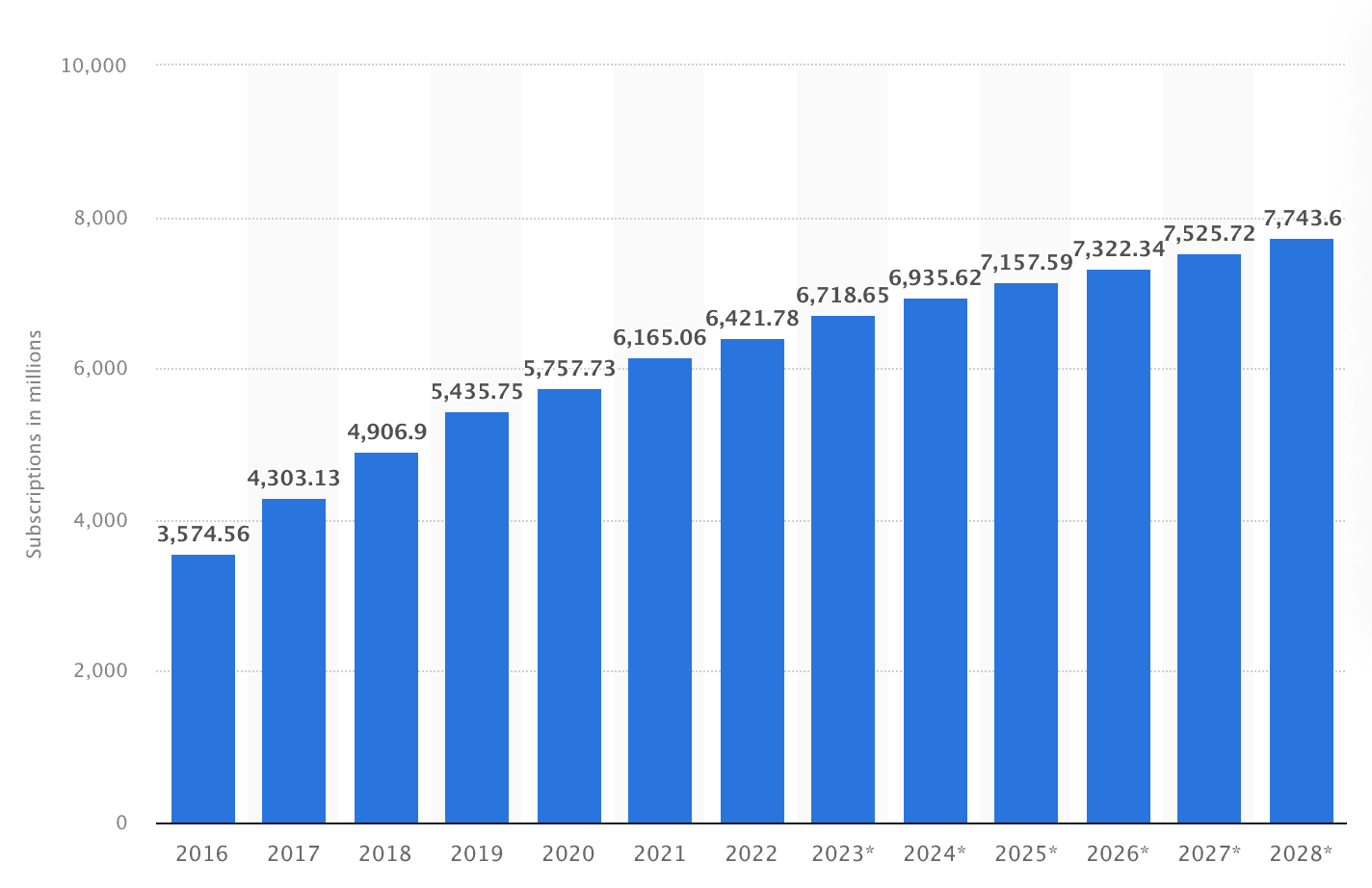
With the number of smartphone users forecast to exceed 7.7 billion by 2028 according to this Statista survey, we can safely say that the mobile app development industry is thriving. Recent developments in the AI landscape and the unbelievable potential for the technology to enhance mobile apps have ensured that there are no signs of the app industry slowing down anytime soon. This is good news if you are planning to develop an app for your business.
Mobile apps work wonders for businesses of every scale. They are the ideal branding and marketing tools. They strengthen user engagement, reach out to the right audiences, boost revenue, and make sure you stay ahead of the competition with enough time on your hands to focus on other essential business areas.
Yet, developing an app that works wonders for your business and stands out in a crowd of several millions of existing apps (Apple App Store, Google Play Store, Windows Store, and Amazon Appstore combined) might seem a pretty challenging task.
With some research and finding out an app development partner that is aligned with your goals and app vision, this can be made possible. Let us explore how.
Understanding the Outsourcing Landscape
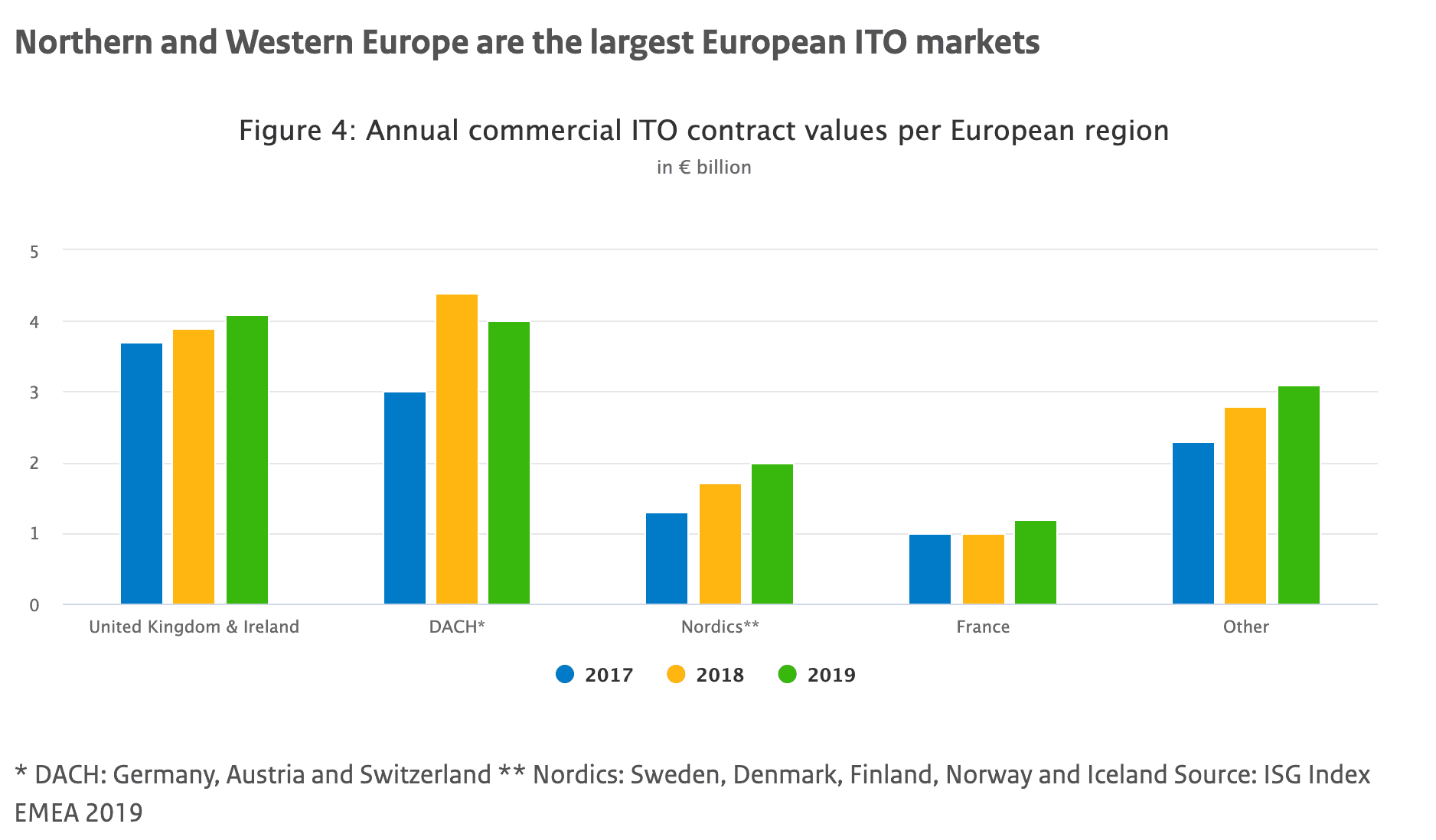
Of all European markets, the United Kingdom is the most open to offshore outsourcing, according to this CBI report.
If your business requires a mobile app and if you are looking for an app development company to partner with, you have two choices:
- You can hire developers in-house.
- You can hire a company located in a different country and outsource your app development project to them.
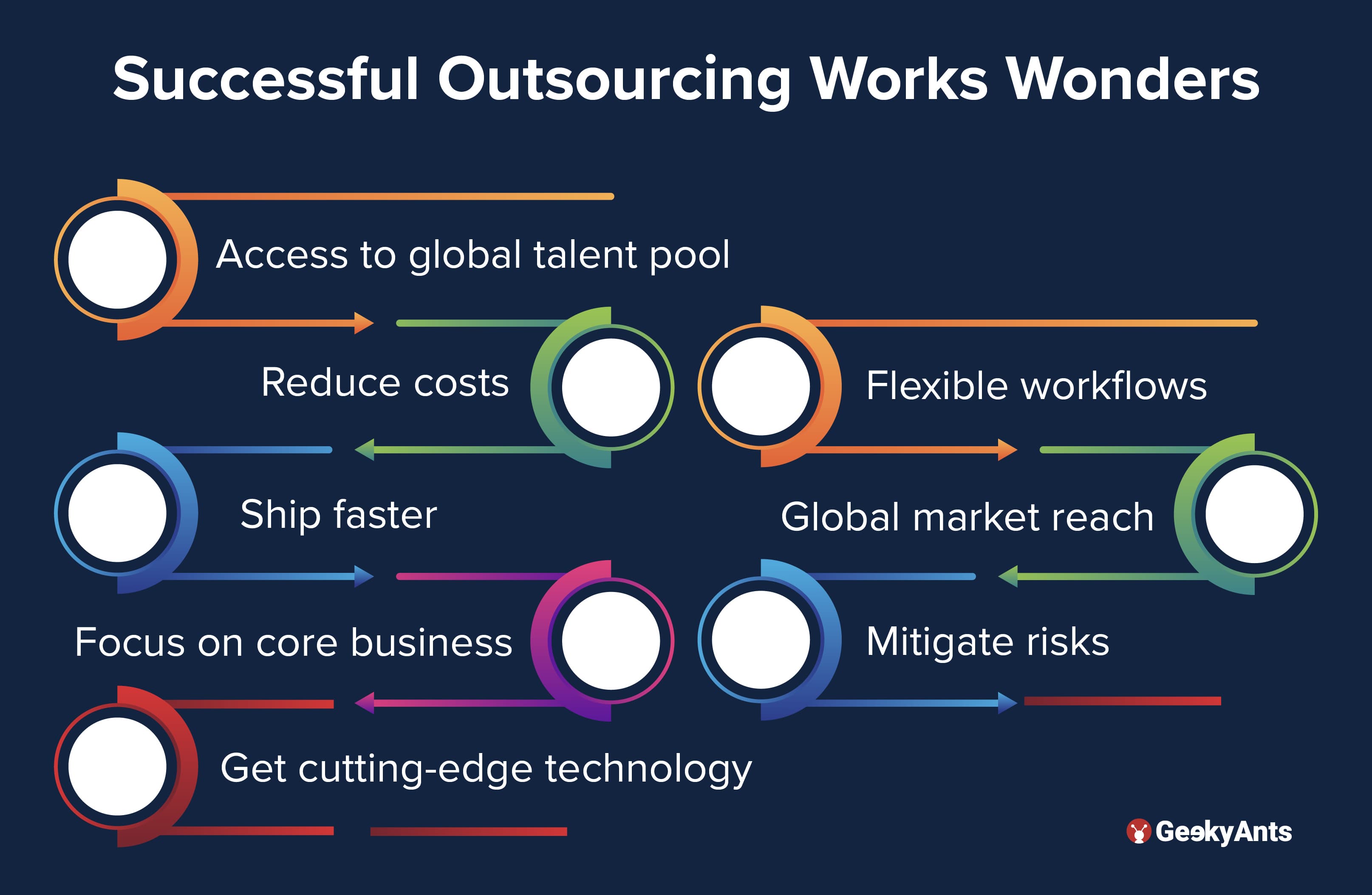
While hiring an in-house team ensures smooth communication between teams, faster implementation of changes during development, and easy access to project updates, the process is known to be expensive and time-consuming. On the other hand, there are several reasons why app development outsourcing is preferred by businesses:
- A Strong Foundation of Diverse Migrant Communities: The UK offers a vast market for ITO (Information Technology Outsourcing) services, with a rich population bound by a variety of demographics, historical ties, business culture, and etiquette. These diasporas provide a promising foundation for outsourcing partnerships with their countries of origin, particularly in developing regions. This rich diversity creates a myriad of opportunities.
- Lower Development Costs: Hiring an in-house team adds overhead costs, such as recruiting candidates and maintaining office expenditures. In countries with lower labor costs, such as India, the Philippines, or Argentina, businesses can find skilled developers who offer competitive rates, resulting in significant cost savings.
- Access to a Diverse Talent Pool and Specific Skills: Outsourcing allows you to tap into a vast pool of talent from around the world. A good offshore app development company will have access to skilled developers (who may be core contributors to the relevant technologies), designers, and project managers with diverse expertise and experience in the technologies your business requires.
- Focus on Core Competencies: By outsourcing app development, you have time to focus on core business competencies and strategic priorities. Delegating technical tasks to external experts also allows your internal team to concentrate on other essential aspects of the business.
- Faster Time to Market: Outsourcing can expedite the app development process. Companies with specialised skills and significant industry experiences can ensure efficiency in the form of well-defined workflows, dedicated teams, and tested processes, reducing development time and helping businesses launch their apps faster.
- Outsourcing Offers Flexibility and Scalability: Outsourcing offers flexibility in project management and team sizes as per your requirements. You can scale up or down the development resources as needed without the long-term commitment of hiring full-time employees.
- Access to Cutting-Edge Technologies: External app development teams often stay updated with the latest trends and technologies. By outsourcing, businesses can leverage this expertise to implement the most current and innovative features in their apps.
- Risk Mitigation: App development agencies with a strong portfolio and proven track record provide a level of reliability and assurance, reducing the risks associated with developing critical applications.
- Global Market Reach: Outsourcing app development can offer insights into global markets and user preferences. This knowledge can be valuable when designing apps for an international audience.
- Support and Maintenance: A good app development company offers ongoing support and maintenance services, ensuring that the app remains up-to-date and functional even after the initial development phase.
Common Mistakes While Outsourcing App Development in the UK
App development outsourcing can be a beneficial strategy for businesses, but it also comes with certain risks and challenges. If you are located in the UK and looking to outsource your app development project, here are some common mistakes that you can avoid:
- Unclear Project Scope and Requirements: Failing to define clear project scope and requirements at the outset can lead to misunderstandings, delays, and cost overruns. Needless to say, it is crucial to have a detailed and well-defined project plan to ensure that you and your app development partner have a shared understanding of your app's features, functionalities, development timeline, and expected results.
- Choosing the Lowest Bidder: You would be surprised how often businesses end up spending double their budget to fix a low-quality app. Opting for the cheapest outsourcing option without considering the provider's expertise and reputation can lead to subpar app quality and unsatisfactory results. Evaluate potential outsourcing partners based on their skills, experience, and track record rather than just the cost.
- Lack of Proper Communication and Collaboration Channels: Poor communication and limited collaboration between the outsourcing team and your business can result in misunderstandings, misaligned expectations, and a lack of progress updates. Regular communication and active involvement from both parties are essential for a successful outsourcing relationship.
- Ignoring Cultural and Language Differences: Working with outsourcing partners from different countries or regions may introduce cultural and language barriers. These differences can impact project understanding, feedback, and overall collaboration. Work out how to bridge these gaps and promote effective communication well in advance.
- Inadequate Research on Outsourcing Partners: Failing to conduct thorough research on potential outsourcing partners can lead to working with unqualified or unreliable teams. Checking portfolios, client reviews, and references is a step you cannot miss to ensure the chosen outsourcing partner has a proven track record of delivering quality work.
- Lack of Legal Agreements and Protection: Neglecting to establish clear legal agreements, such as service-level agreements (SLAs) and non-disclosure agreements (NDAs), can leave your business vulnerable to data breaches, intellectual property theft, or missed deadlines. Having proper legal protections in place is vital for safeguarding both parties' interests.
- Ignoring Security and Data Privacy: App development often involves handling sensitive user data. Ignoring security measures and data privacy compliance can lead to data breaches, legal issues, and damage to reputation. Outsourcing partners should be chosen based on their commitment to security and compliance standards.
- Overlooking Testing and Quality Assurance (QA): Insufficient focus on testing and quality assurance during the app development process can result in the release of a buggy and unreliable application. Comprehensive testing at different stages is critical to delivering a robust and user-friendly app. Make sure to plan for this expenditure in advance.
- Not Planning for App Maintenance and Updates: App development is an ongoing process, and businesses should consider the long-term maintenance and updates required for the application. Ignoring post-launch support can lead to app performance issues and decreased user satisfaction.
- Underestimating Time Zones and Communication Delays: When outsourcing to teams in different time zones, coordinating real-time communication and resolving issues promptly can become challenging. Experienced app development companies generally account for these time differences and have established effective communication channels.
Best Practices for Successful Outsourcing
App outsourcing can be a successful strategy if approached with careful planning and adherence to best practices. Here are some essential best practices for app outsourcing:
- Define Your Project Objectives and Scope Clearly: Be sure to answer questions like
- What is the purpose of my app?
- What user problems does it intend to solve?
- What features and complexity level do I require for my app?
- What is my budget?
- Communicate your business requirements and expectations clearly to the outsourcing team to avoid misunderstandings and ensure a shared vision for the project.
- Choose the Right Outsourcing Partner: Conduct thorough research and due diligence to select the right outsourcing partner. Evaluate their expertise, experience, past projects, client reviews, and cultural fit. Look for a partner with a proven track record in app development and a good reputation. Online review platforms such as GoodFirms or Clutch and the company website are good places to start your search.
- Establish Communication Channels that Work: Make sure that the outsourcing team uses communication tools like video conferencing, chat apps, and project management software that facilitate real-time access to project updates. Ensure that you and the partner company have overlapping working hours to ensure smooth workflows and quick resolution of bottlenecks.
- Set Realistic Timelines and Milestones: Define realistic timelines and set achievable milestones for the project. This helps in tracking progress and ensures that the project stays on schedule. Be aware of situations such as
- changes in feature requirements
- surprise bugs or issues
- third-party dependencies
- any other external factors that may affect the proposed timelines.
- Select a Development Method that Works for You: Research and consult with the app development company regarding the different app development methodologies and select the one that suits your project. Agile, scrum, and waterfall are some of the most popular methods used. The development company should also suggest a pricing model and cost estimations that fit your project.
- Security and Data Privacy Should be High Priority: Discuss security measures and data privacy protocols with the outsourcing partner. Ensure that they follow industry standards and comply with relevant data protection regulations to safeguard your app and user data. Common security compliances include Non-disclosure Agreement (NDA), Service Level Agreement (SLA), HIPAA compliances (for healthcare apps), and other relevant national and international agreements.
- Encouraging Collaboration and Feedback: Fostering a collaborative environment where the outsourcing team feels comfortable asking questions and seeking clarification is beneficial. The outsourcing company on its end should have account management teams to provide regular status updates and conduct feedback sessions to address any issues promptly.
- Don’t Skip Quality Assurance and Testing: Prioritise quality assurance and testing throughout the development process. Conduct comprehensive testing to identify and fix bugs, ensuring the app functions smoothly and meets user expectations. This will ultimately reduce turnaround time in the long run.
- Document Everything: Maintain detailed documentation of project requirements, meetings, decisions, and agreements. This documentation serves as a reference point and helps avoid miscommunication or disputes.
- Plan for Post-Launch Support and Maintenance: Discuss post-launch support and maintenance arrangements with the outsourcing partner. Ensure that they offer ongoing support and can handle future updates and enhancements before signing an agreement.
- Cultural Sensitivity and Awareness: Be aware of and respectful of cultural differences between your organisation and the outsourcing team. Cultural sensitivity promotes better collaboration and understanding.
Quick Tip: Be open to adjustments and changes during the development process. Market conditions and user feedback may require alterations to the original plan, so staying flexible is essential.
Why Choose GeekyAnts As Your App Development Partner?
At GeekyAnts web and mobile app design and development studio, we have been delivering high-quality digital solutions that stand the test of time to our partners globally. Over a period of 17+ years, we have developed and fine-tuned our development processes to bring you a smooth and streamlined collaborative experience. Our offices are located in the UK, USA, and India, and we are certified partners to Google, Amazon Web Services, Vercel, and GitHub. So what makes us so unique?
- User-focussed development: Our process prioritises your business goals and the end-user experience rather than focusing solely on the development aspect.
- Proven technical expertise: Many of our experienced developers are core contributors to major technologies, such as React Native and Flutter. We are very active within the development community— some of our well-known open-source projects include gluestack.io and NativeBase. We can align your project with the correct technology to make it shine.
- Strong portfolio: We have worked with businesses of every scale and across industries globally. With 200+ successful projects under our belt, we have collected some great client reviews and awards along the way.
- Dedicated teams: Experience a streamlined workflow with our dedicated design, development, account management, and legal teams. We help you select a pricing and development model that works best for your project, and our teams ensure a smooth collaborative experience for you.
- Rigorous Quality Analysis (QA) Processes: We take app quality very seriously. Our software testing and QA process guarantees that you receive a finished product of the highest quality, every time.
- We take care of post-launch support: With us, you do not need to worry about post-launch app maintenance. We understand that the app development journey does not end at deployment, and assist with keeping your app scalable, bug-free, and updated.
Final Thoughts
Before jumping on the outsourcing bandwagon, it is essential to research find an outsourcing partnership that works for you. The ideal app development agency should have significant industry experience, an impressive track record of working with the latest technologies, and offer end-to-end assistance till development and beyond.
