

Think about everything you do online or on your phone. Most interfaces are intuitive and work seamlessly in synergy. What makes it possible? The answer is data. It determines all our interactions with the digital world. From personal activities like sending text messages and ordering meals to business processes like calculating invoices and e-signing agreements.
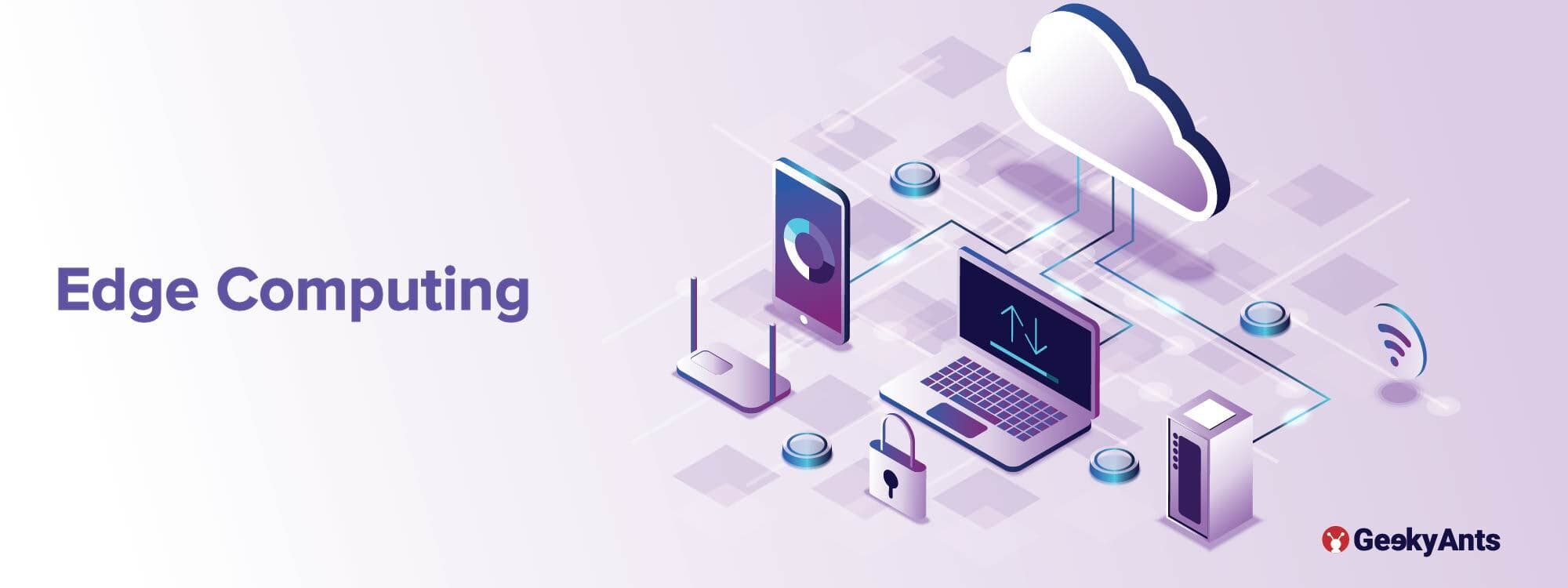
Edge computing uses said data and accelerates information processing, making data transfer lightning fast. How does it do it? By creating and processing data closer to the end user, outside a data center, using devices like smartphones. This eliminates the need for physical data servers. Businesses will no longer need to break the bank to install in-house data servers or rent facilities.
Why Edge Computing?
Businesses that utilize physical data services use them to store and access online files for activities like hosting a website. But consider how web browsers receive information from internet servers via network connections. It is similar to how two computers are connected in a local network, except that the link is virtual through data. The data stored on a server is divided into packets for transmission and pushed through routers (which determine the best path for the data) to reach an internet service provider, a computer, or a mobile device.
This process has multiple disadvantages:
- It needs more efficient monitoring that sends real-time data and alerts.
- It is expensive to operate and incurs high capital expenditures.
- The possibility of a shutdown is highly likely due to a single point of failure.
Edge computing solves the problems accompanying physical servers by:
- Bringing down operating expenses
- Improved data privacy and security
- Reduced latency and unlimited scaling
- Increasing the effectiveness and dependability of business operations
- Application performance that is more responsive, responsive, and robust
More Advantages of Edge Computing Include
Decentralizing of Data
Cyber-attacks can occur if all your sites depend on one central data center. Distributing data across multiple locations increases security. Edge computing makes it possible by providing functionality to IoT devices for processing data on the device itself. After processing the data, IoT devices can determine which data is supposed to be stored locally and which data needs to be sent to the cloud for analysis.
High-bandwidth
Edge computing enables users to access bandwidth-intensive experiences (such as multimedia apps) in many places. Server-side processing of video requests was slow and expensive, given the increase in streaming services worldwide. Still, now that edge technology has been introduced, bandwidth availability has multiplied, leading to much better user experiences.
How Edge Computing Works
Edge computing gathers and analyses data near the data source or event. It collects data using sensors, computers, and other devices. It then transfers the data to edge servers or the cloud. Depending on the task and result, this data may be used for multiple purposes:
- Supporting analytics and machine learning systems
- Offering automation capabilities
- Provide visibility into the current state of a device, system, or product.
Different technologies can be used to construct an edge network. A great example is Cloudlets. They act as small data centers for mobile edge computing and operate over wireless channels. Another example is fog computing. It utilizes infrastructure that uses clouds and other storage to place data in the most advantageous location.
Applications of Edge Computing
An edge framework simplifies everyday operations and business processes. For instance, a sensor using edge computing capabilities can offer real-time updates on the temperature at which a vaccine is being stored. The sensor can also determine whether the ideal temperature is maintained during transportation.
Here are some applications in detail:
Security Solutions: Edge computing makes it possible for security surveillance systems to address threats swiftly. It enables security systems to spot potential threats and notify users of unusual activity.
Autonomous Vehicles (AV): AVs need to make instant decisions based on traffic conditions. It should be able to stop for a pedestrian crossing and determine the distance to impact before accidents occur. Edge computing can ensure vital information — accidents, weather, traffic, or detours — gets communicated (and processed) in real-time. This ensures drivers’ safety and prevents damage to the vehicle.
Healthcare Devices: Edge computing empowers everyone to track their vitals to keep tabs on their health. Patients with chronic conditions also get the advantage of using health monitors for instant assessment of their health. Wearable devices that use Edge computing can also alert caregivers immediately when assistance is needed, potentially saving lives.
Other real-world applications of edges include:
- Monitoring traffic patterns.
- Predicting earthquake possibilities through AI-driven algorithms.
- Providing an early fire warning to businesses and homes to turn off gas supplies and other systems.
The Future of Edge Computing
"Edge will play a crucial role by storing the key data and enabling latency service requests from end-point transactions and services."
A more precise and timely analysis of streaming data will be done via distributed computing, thanks to the edge.
With the introduction of RISC-V, a new and intriguing open hardware-based instruction set architecture and vRAN (responsible for enabling and connecting devices such as smartphones or internet of things (IoT) devices to a mobile network), the idea of edge computing certainly seems to be picking up pace.
Conclusion
We at GeekyAnts, are always experimenting with new technologies. Edge computing is one of them. We aim to facilitate our customers' digital transformation journey by building robust edge computing infrastructures.
Contact GeekyAnts if you'd like to know more, including whether edge computing can benefit your business. We are here to help.
