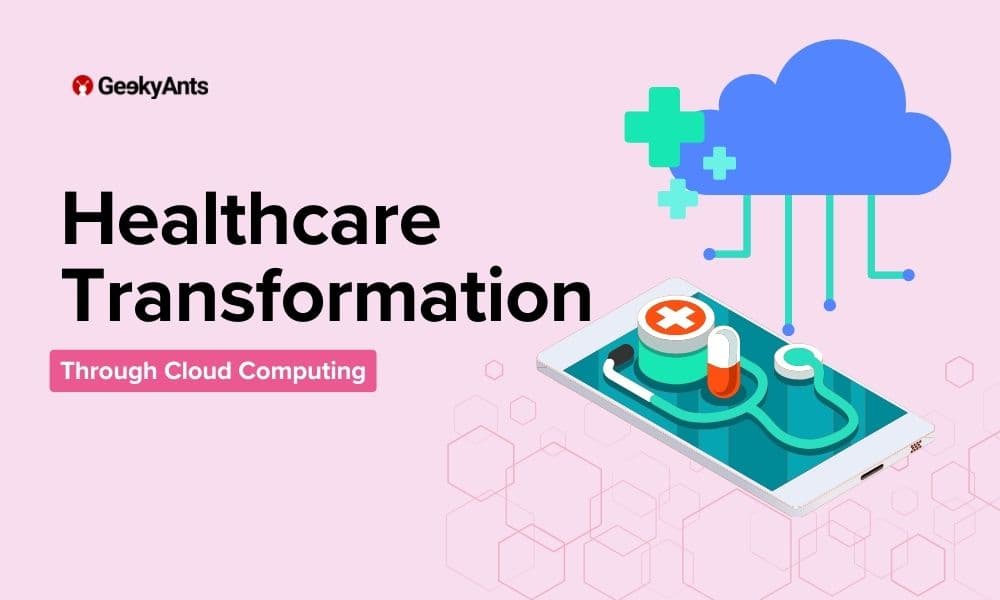

Cloud computing is a transformative force for the healthcare domain. It can and is revolutionizing operations, patient care, and data management. Hospital and related institute decision-makers need to understand how to leverage cloud technology. Its adoption is crucial for driving innovation and efficiency in healthcare.
By leveraging the cloud, healthcare providers can ensure seamless integration of patient information, facilitating better decision-making and streamlined care delivery.
This article will explore how cloud-based healthcare solutions offer unparalleled advantages, including improved data accessibility, enhanced collaboration among medical professionals, and significant cost savings.
Cloud Computing in Healthcare: Sustainable Solution or A Hype Bubble
Healthcare operations are becoming increasingly complex. The volume of data collected in terms of patient care is ballooning. With electronic health records (EHRs) becoming the norm, the sheer volume of data that needs to be handled is staggering. Adding to the bulk are rising interdisciplinary communication needs, and a constant drive to improve patient outcomes, all the while controlling costs.
Cloud computing addresses these challenges head-on. It offers scalable, secure, and flexible solutions that traditional IT infrastructure struggles to match. Other advantages include virtually limitless storage capacity, enabling healthcare providers to manage their data efficiently without worrying about hardware limitations or maintenance costs.
Beyond the Ordinary: What Makes Healthcare Cloud Solutions Standout?
One of the standout benefits of cloud computing is the enhanced collaboration it facilitates among healthcare professionals. Quick and secure access to patient information is vital in a hospital setting.
Cloud-based systems also allow real-time data sharing and access, ensuring that doctors, nurses, and administrative staff can collaborate effectively. This leads to more accurate diagnoses, efficient treatment plans, and better patient outcomes.
Bridging Gaps: The Cloud’s Role in Making Healthcare Accessible to All
Cloud technology breaks down geographical barriers. Powered by cloud infrastructure, Telehealth services enable patients to consult with healthcare providers from anywhere. This is particularly beneficial in rural or underserved areas with limited access to specialized care. For app development companies, this presents an opportunity to create innovative telehealth solutions that leverage cloud technology to deliver high-quality care remotely.
Security and Compliance: A Top Priority
Security is a top priority in healthcare, given the sensitive nature of patient data. Cloud service providers invest heavily in robust security measures to protect data from breaches and unauthorized access.
Advanced encryption, regular security audits, and strict compliance with healthcare regulations ensure that patient information remains secure.
While security concerns are valid, the level of protection offered by reputable cloud providers often exceeds that of traditional on-premises systems. By partnering with trusted cloud vendors, hospitals can enhance their security posture and reduce the risks associated with data breaches.
How Cloud Innovation is Changing Healthcare Economics
Cloud technology also offers significant cost advantages. Traditional IT infrastructure requires substantial investment in hardware, maintenance, and personnel.
In contrast, cloud computing operates on a pay-as-you-go model, reducing the need for large upfront capital expenditure. This allows hospitals to allocate resources more efficiently, focusing on areas that directly impact patient care.
Furthermore, cloud platforms are a catalyst for innovation. They provide the computational power to harness advanced AI and ML technologies. These technologies can analyze vast datasets to identify patterns, predict patient outcomes, and suggest personalized treatment plans.
Integrating AI and ML into healthcare applications for app development companies can lead to groundbreaking solutions that enhance patient care and operational efficiency.
The Next Generation of Healthcare: GeekCare
GeekCare from GeekyAnts exemplifies the transformative impact of cloud-based solutions in healthcare. This advanced app is designed to leverage cloud technology to its fullest potential.
GeekCare also offers a comprehensive suite of features for users and medical practitioners, from streamlined patient data management to telehealth capabilities. By harnessing the cloud, GeekCare ensures that healthcare providers can deliver exceptional care, regardless of location.
Advanced technologies like AI-driven diagnostics and real-time data analytics further enhance GeekCare's capabilities, making it an indispensable tool for modern healthcare.
Summing Up
The cloud is not just a tool for healthcare—it's the foundation for the future of healthcare. For hospital authorities, adopting cloud technology isn't just about keeping up; it's about leading the way in innovation and care delivery.
The cloud opens up exciting new frontiers for growth and creativity. As we journey through this digital transformation, GeekCare exemplifies how cloud solutions can redefine healthcare, making it more accessible, secure, and effective than ever before. The future of healthcare is in the cloud, and it's a future full of possibilities.