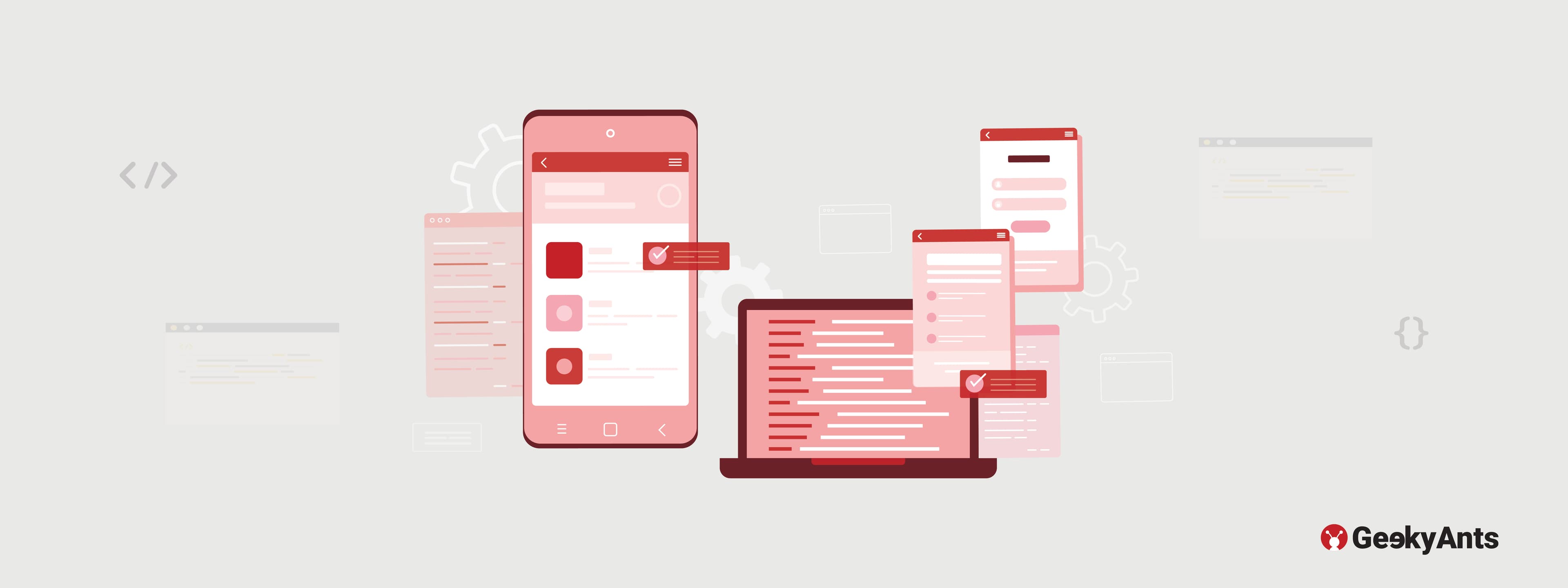

More than 90% of mobile phone users spend most of their time browsing apps and it has become so that web apps are barely used. This makes it important for businesses to make it the platform to market their brand better. In all of this, the question that comes in is how to go about this and deciding what kind of app works best for your business. With the advancements in technology, requirements can be better assessed to see whether to build native apps which are more robust or hybrid apps which take up lesser time to market.
Native apps for an enhanced customer experience
There’s no technology that can be ‘The Answer’ to a better customer experience in the absence of effective strategy and planning.
This quote by Brad Cleveland, one of the world’s foremost customer experience experts, answers this question as to which app to build for your business. Customers are your partners and their experience and requirements should be addressed before strategizing on what kind of app to build to market your products. It is critical that the UI is smooth and flowing to enhance their experience which in turn can go a long way in boosting sales for your business. The mobile app is where you’ll have a chance to interact with your intended audience the most and having a good app increases your chances of retention as well. Native apps are built on a single platform and developers can integrate the latest functionalities and features better this way to improve the overall experience of the app. One other reason to choose native app development for improved customer experience is that it also has better capabilities of being used when off internet connection.
Then why hybrid apps?
Now that we’ve spoken about the various benefits that native apps can have on an enhanced question, let’s take a look at the concept of hybrid apps. Hybrid app development is the new thing now and it follows a very simple effective approach of focusing only on the essential and eliminating the rest for a streamlined process which does not take up much time.
Productivity is being able to do things that you were never able to do before.
That’s exactly what hybrid apps bring to the development process and with this approach, developers are now able to use the same base code to run the app across multiple platforms including web. While hybrid apps may not have the robustness of native apps, they sure are much easier to build and also help to save up a lot of time for developers.
Native apps vs. Hybrid apps
- Building a native app takes more skill and requires specialised developers who are up to the job. Meanwhile, hybrid apps can be coded much more easily and even junior developers generally possess the know-how to do this.
- The above difference between native and hybrid app development is a huge contributor to another factor that affects businesses- the budget. Native app development is more intensive because of which these kinds of apps are costlier to build than hybrid apps.
- Native apps are specifically built for mobiles and they can only be hosted on the mobile operating system whereas hybrid apps are comparatively more versatile and they can also be run on the web.
- Being more intricately built and having more elements, native apps are harder to maintain and require quite some effort from the developer’s end in comparison to apps built the hybrid way.
- Hybrid cross platform development is more suited for apps that need to be hosted on multiple platforms while apps built the native way can only be hosted on the one platform that it was meant for, i.e. android or iOS.
- Being built for a single platform, native apps have better performance metrics than hybrid apps and they are more reliable and have better software that is more reliable.
Endnote
In conclusion, it can be said that both native and hybrid mobile app development have their pros and their cons and choosing one is highly dependent on the use-case and the requirements of your business. For instance, if the requirement is to pitch to investors and you need an MVP or if you require an app and don't have much time to bring it to the market, you can opt for the hybrid approach but if you need a specialised app with various advanced features, the native approach is the way to go.
I hope this article has given insights into hybrid and native apps and how to decide on the best one for your business!