
The world isn’t short of brilliant ideas. It’s the way these ideas are executed that make or break them. The world of tech and development is tricky. Visions often don’t match the end product and vice-versa. In most scenarios which result in a massive imbalance between the intended goal and the achieved one, the discrepancy always boils down to one thing, miscommunication.
It is a well observed fact that the development process of an application, be it web or mobile, relies heavily on how well it is outlined and conceptualized, to give it proper direction. Usually, people rely on describing their ideas to stakeholders and devs, expecting them to envision it image to image, which is impossible. This unfamiliarity shows itself in the final product and creates unnecessary overhead for all parties.
To avoid this, it is important to remove the vagueness from the equation and be extremely nitty-gritty with the details when outlining an idea. Writing a Business Requirement Document is by far the most effective way of making sure that all parties are on the same page and working towards the same goal.
This article will outline the basic aspects of what makes a requirement document important and how we, at GeekyAnts, approach this craft.
Always remember the goal of the document.
Before penning your ideas in great detail, keep in mind that the goal of this heavy task is to remove any and every speck of ambiguity from what you are about to convey. Identify the stakeholders and their nature of contribution in the project to find ideal ways to convey information. Also remember that this document will also serve the purpose of helping devs and contributors have a clear understanding of the scope of work and enable them to assess time and effort better.
Detail the overall business idea and the changes you envision.
It is always good practice to start with detailing your business idea and the problem that it solves. We believe that a well-crafted description should give the reader an instant idea of what it’s all about. Talk about the problem that it aims to tackle, in order to bring readers in the right mindset to approach the product and the positive changes it is designed to bring in the community.
Establish the current standing of the product & set expectations.
Your product might just be an idea, or it might be in production already. No matter the status, it is imperative to mention the current status of the product. If you have a few modules already prepared or a few designs ready, mention them in the document. If something needs to be redone, specify it in the sheet. This will also help set expectations for all parties involved in the project. You must set down your expectations from the tech/design teams involved in the development from the get go. State any known dependencies, assumptions, risks et cetera that influence the project in any way. It helps paint a clearer picture of the planning and execution of the product.
Make a high level plan that is feasible.
To get into the intricacies of product planning, the product manager would require a basic outline of the life-cycle of the product. This plan includes the timeline of the project, deadlines, the overall budget et cetera. This helps project managers get creative and figure out new ways to proceed with the project if traditional methods do not fit the mould.
Mention technical recommendations
It is always good practice to convey your recommendations for the tech that you want your product to be built on. Though, this only applies to people who have substantial knowledge of tech or are comfortable around it. If you don’t fall in this bracket. understand that choosing the right tech stack is critical to the success of the actual product and you shouldn’t hesitate to ask for technical advice/suggestions from the team you’re working with. Some tech stacks might be new and cutting edge but not cater to your specific requirements. Research and choose well.
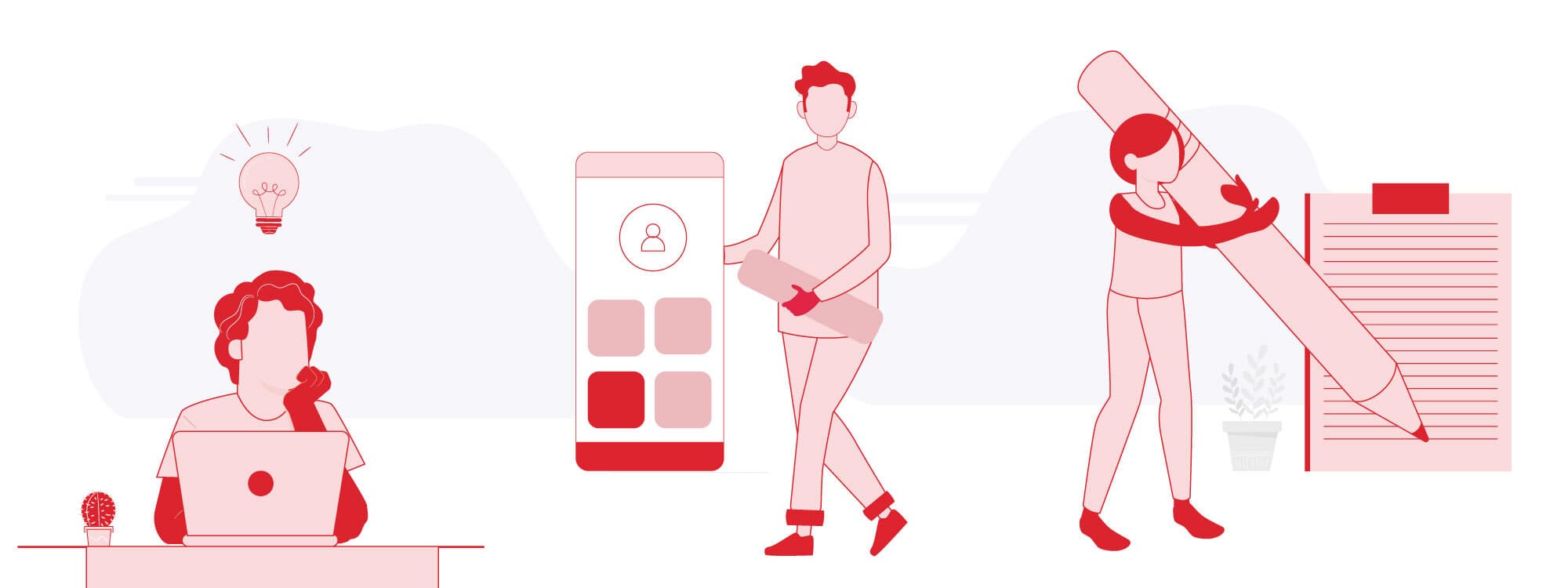
User stories are a user’s perspective towards the app. They list down all the things that users can do in an application and why they would perform that specific action or follow that specific route. User flow diagrams complement user stories with visual representations of the different paths that may exist while navigating the app. This not only explains a product in great depth but also creates ideal business cases by creating sub-stories, which makes it easier to pick the features that should hold priority and discard unwanted ones. Coggle is a great tool for building user flow diagrams and user stories.
Diagrammatic representations of the information that you are trying to convey always helps in better absorption. Visual aids are always preferred and wireframes should be an integral part of your documentation. Wireframes are rough diagrams for screens in an app. Multiple wireframes, collectively create a screen map. A screen map can be a saving grace for products with complex user flows navigation patterns. Balsamiq, Framer etc. are some tools that you can use to create clean wireframes.
Prioritize Features and build a phase out plan
It’s very common to have big plans for your product and confusion often creeps in. In such a scenario, we often suggest taking a step back and prioritizing the features that are critical to the success of the mission and cater to the business needs. That helps in building a plan that is feasible and phases out the project strategically.
Address post-completion support and upgrade strategy.
Planning every little detail about the project is key to its success. Planning post-completion strategies ensure the product’s survival after it’s out in the market. Do address all upgrade strategies and support requirements in greater detail in the doc. This helps all teams to have a clear understanding of the nature of support and the scope of maintenance as well.
We, at GeekyAnts, believe in being a part of our clients’ vision to be able to steer their product into the direction that it is intended to be in. We have employed these tips, time and time again, to help our clients create immaculate Business Requirement Documents to help us and them understand their vision better.
I hope this article helps you. Please feel free to leave your comments if there are any other tricks that you like to employ here.
See you next time.