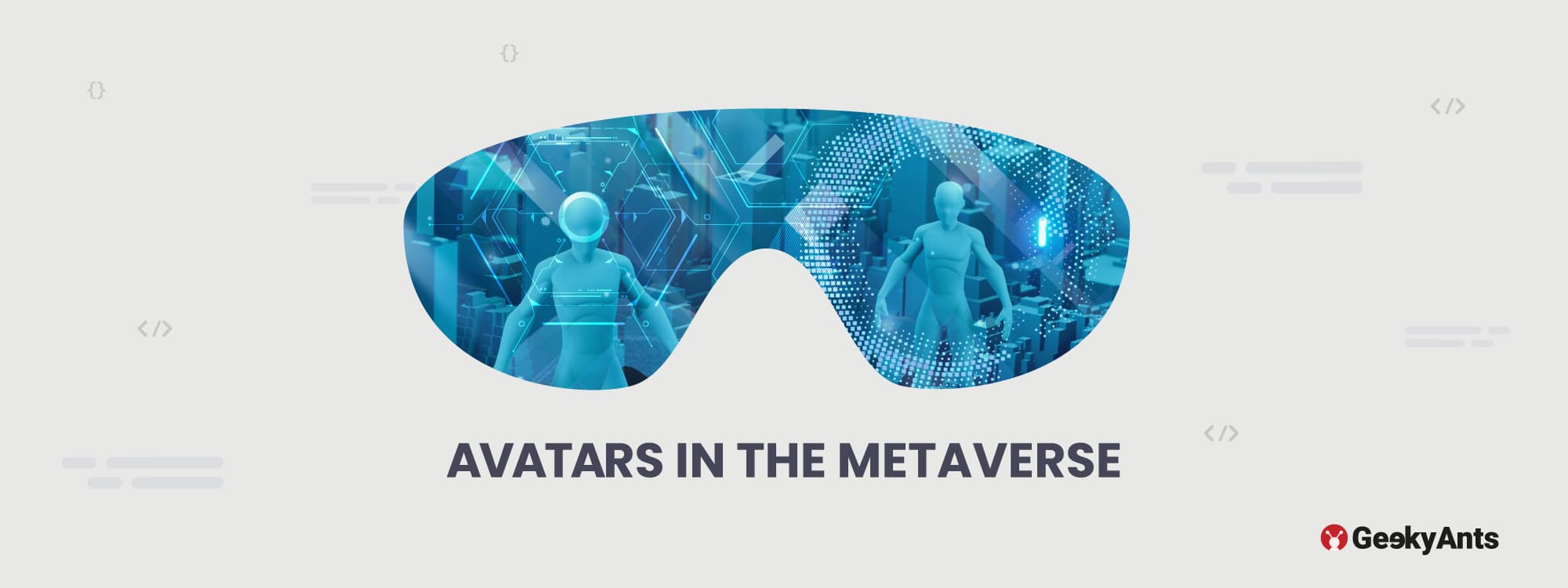

Metaverse is a digital world in which you can totally immerse yourself. It was created to be a place where everyone can meet and build relationships with other users through different experiences. The metaverse is a world created by the convergence of various technologies where experiences are easily shared among users. Although it’s currently limited to virtual worlds and online platforms, it is gradually becoming more tactile with the rise of augmented reality. The dominant form in the metaverse is 3D avatars due to their ability to replicate real-world movements using sensors.
Metaverse Avatars will be the cornerstone of this exciting new universe.
What is an Avatar in the Metaverse?
With its flexible system, a talented artist can create an avatar that can cross between numerous experiences in the Metaverse. Metaverse Avatars are the embodiment of Metaverse users. They are a person’s identity in the Metaverse, allowing them to go on different adventures in different experiences. Being able to easily cross experiences by carrying over one’s avatar means that you will be able to have a unique experience no matter where you go!
What are some types of Avatars in the Metaverse?
Avatars are virtual representations of a person in the majority of VR apps and games. They're typically used in simulated environments, such as online multiplayer games or online dating apps. They can also be used to portray the user’s personality, identity, and likeness. Here are two types of avatars in the metaverse:
1. Full body avatars:
The rise of virtual reality has also brought about full-body avatars, which allow users to seamlessly move around inside a virtual world. This capability creates a new level of freedom for social interaction, particularly for business applications. In fact, the introduction of 3D avatars into the workplace has been met with great anticipation by many companies, which see opportunities in applications like remote conferencing, telecommuting, and training, just to name a few.
2. VR Avatars:
A VR avatar is a visual representation of a user in a virtual world that they can control. While it may not look the same as a user physically, the avatar is usually based on the user’s appearance and acts similarly in motion with them. For the most part, virtual reality avatars are almost always human. Metaverse avatars can be anything from realistic depictions of actual people to stylized versions such as those found in anime, comic books, and video games. Avatars used in VR apps require simple movements like gesturing or turning around without legs needing to be seen or complex leg movements required.
Features of Avatars in the Metaverse:
1. Avatars in the metaverse are customizable
Metaverse avatars are entirely customizable. You can change your avatar's height and weight, skin tone, hair color, and even clothing. NFTs allow for even more flexibility because you can buy unique clothes for your avatar in the metaverse and turn your outfit into a reflection of who you really are!
2. Your avatar can move across the metaverse
Metaverse avatars aren’t stuck in any one metaverse. They can move between multiple instances based on the blockchain, a public ledger that records transactions across computer networks. It is possible to move an avatar from one blockchain-based NFT system to another with no problem. This is because the elements that make up each of these characters will be recognized by any metaverse instance used by the NFT system.
3. Metaverse avatars hold intrinsic value
Avatars are the bread and butter of the metaverse. They bring digital goods to life, but those goods need scarcity and uniqueness to justify their high price tags. Thanks to the blockchain and NFTs, your avatar can own unique goods that have value on their own – and only you can use them.
The future of metaverse avatars!
The metaverse is much more than a place for us to relive our fantasies; it is the future of the web. It is also an evolving entity with its own life force, that provides us with new ways to explore ourselves, and our relationships with other people with metaverse avatars providing us with the arsenal for just that. The metaverse is the home of your digital identity and the place where new friendships are formed.
In the metaverse, you can build an avatar that represents what you want to be and explore where it can be.
We at GeekyAnts - Blockchain & AI development company have started to dabble with all things related to this new version of the web and we hope our insights have helped you what avatars in the metaverse are and how they are soon going to take the world by storm.