

Design Systems need to be a part of every company’s project management and application development strategy. It should be well-structured, defined and augment both the design and development teams.
Every company has different strategies and ways to leverage its design systems. Nonetheless, the results remain unchanged for all the products:
- Achieving alignment
- Increasing the speed
- Maintaining consistency
In this blog, we breakdown why every company needs a design system with examples.
Concept Corner
Understanding Design Systems
Design System — A single source of truth for the teams and by the teams to refer to when designing and building a product. It can help you define your brand, increase the efficiency of your product, and elevate the digital user experience.
Building Design Systems
A solid UI/UX design system can help you ditch the 'use now and replace later' mentality and build the components that suit the company’s style and tone. Building one from the start can help you reduce the time, effort, and cost spent on redundancy.
Leveraging Design Systems
With a design system, you can implement similar UI components, easy installation and application of new designs throughout the brand.
"A design system isn't a project. It's a product serving products."
— Nathan Curtis, EightShapes
Advantages of Having a Design System Why a Company Should Build One
Design systems are great for collaboration between teams. They become the one source of truth for different teams working on multiple deliverables towards a single project. Scaling up is also simplified using design systems.
We discuss more advantages below:
1. Promotes Consistency:
Design systems classifying every visual element of a product. This helps the team identify the most significant product irregularities as well as the important and widely utilized features and components.
2. Enhanced alignment of teams:
Design Systems are frequently referred to as the single source of truth for the product development team. It aids in the team's planning, creation, and maintenance of product quality.
Organizations employ the single source of truth (SSOT) idea as part of their information architecture to make sure that everyone uses the same data when making business decisions.
3. Clarity to developers:
When there is a design system in place, developers have a clearer understanding of how to construct the necessary design system components while retaining the unified styles.
4. Faster iteration:
Teams handle iterations more quickly when they use a Design System. They will need fewer resources, and new projects will be released more often with shorter feedback cycles. It also becomes easy to track design changes and keep versions organized.
5. Better customer experience:
Because design systems generate consistent experiences, cognitive strain is minimized when transitioning from a mobile app experience to a desktop browser experience. A better experience for customers who use your products can be generated by creating a consistent language that both internal and external users can understand.
Before and After Integrating a Design System: A look into Indigo’s Design System Journey
Indigo.Design is a digital product design platform that integrates UI prototyping, design systems, user testing, app creation, and code generation to remove design handoffs and decrease costly iterations, allowing comprehensive UX design-development collaboration.
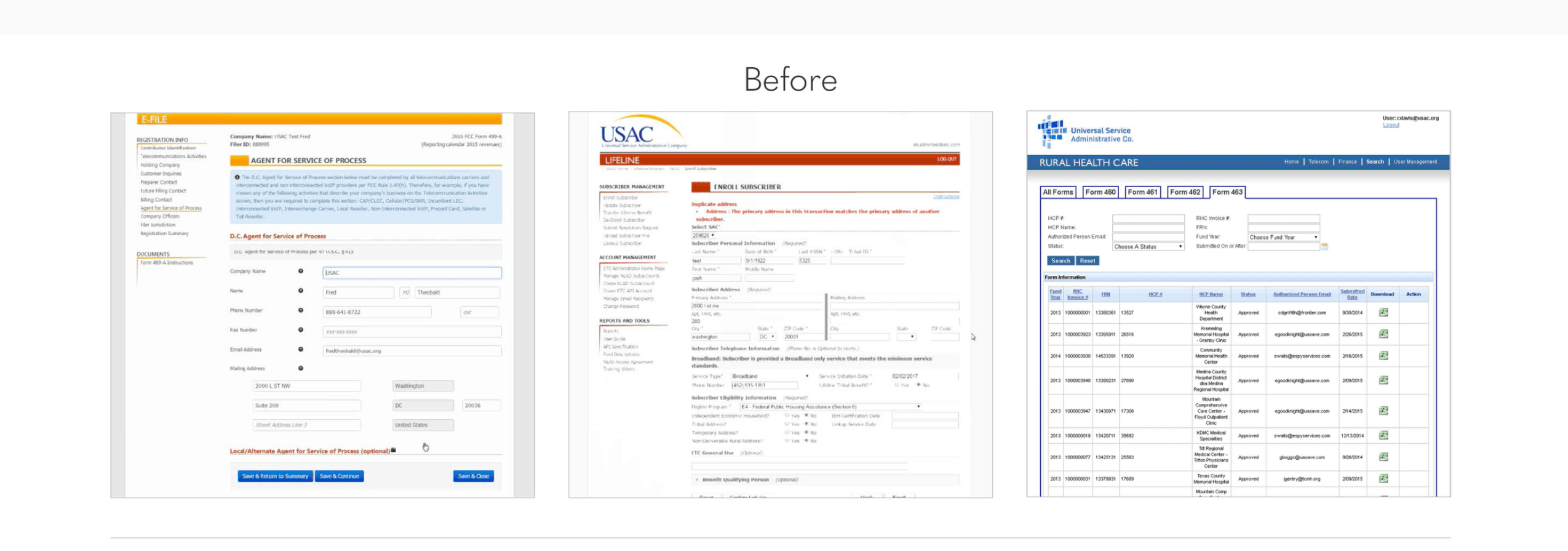
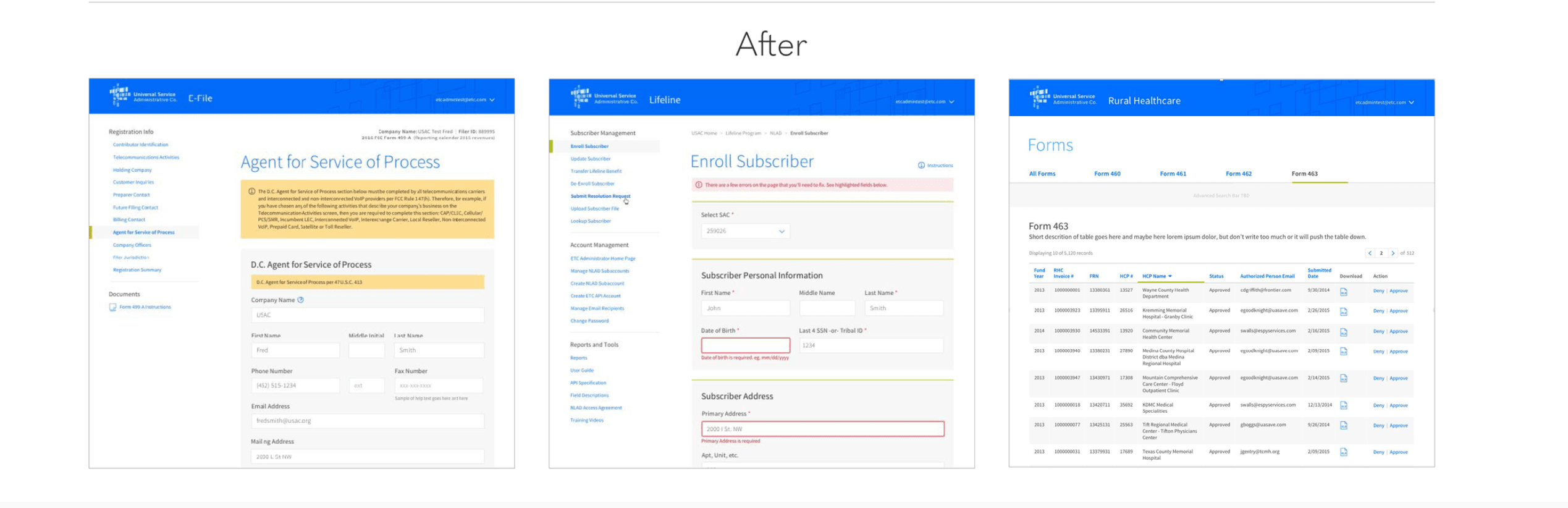
Here is a before and after integrating a design system -
Before introducing a design system, due to the inconsistent designs at Indigo.Design, the team members were bound to learn and work with difficult design systems. This resulted in inefficiency and delays in the work.
After introducing a design system, it boosted collaboration in design and development within the company. It also aided in the development of new tools, resulting in a more integrated, higher-quality user experience.
Externally, Indigo offered stakeholders a unified, one USAC and was successful in simplifying the most high-profile systems with the potential to affect millions of consumers. It laid the groundwork for the development of usable and accessible products.
Design Systems and GeekyAnts
We, at GeekyAnts- Design Studio, are working towards creating a design system that focuses on easy collaboration and great user-interface. Our expertise and experience in building similar products for global clients are coming in handy. It is our goal to bring every stakeholder on the same page and help launch products faster.
If you wish to learn more about how we can help create Designs Systems for you, visit our callback page.