
Introduction
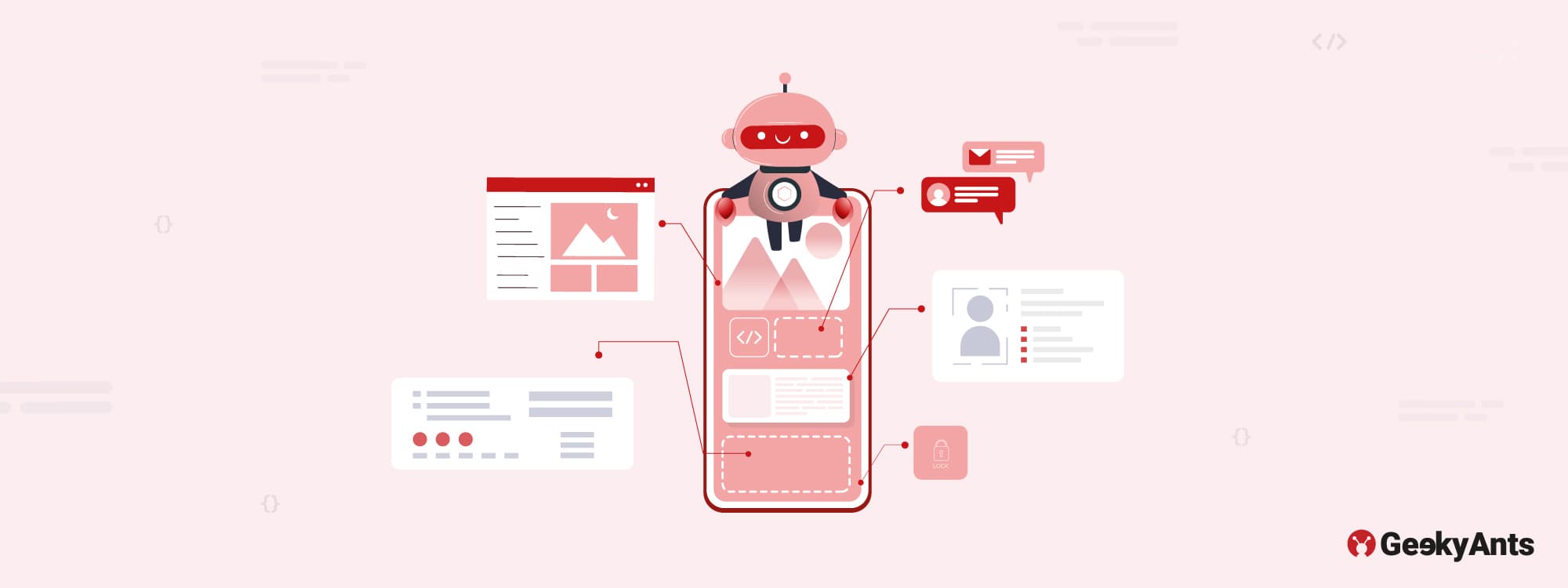
With the recent launch of ChatGPT by OpenAI on November 2022, there is a hubbub going on in the designer and developer communities. The critical questions being asked are — How does ChatGPT affect the future of UI/UX and product design? What will be the new workflow for designers and creators?
There is also a fear that artificial intelligence-powered platforms will replace designers, developers, and creators.
I wanted to test this theory out. So, I started exploring AI tools that are in the center stage, like ChatGPT, Midjourney, and DALL-E 2, for one of my recent projects. I found that a few of them augmented my process, but not without some hiccups. This blog is a summary of my observations.
My Experiments and Experiences
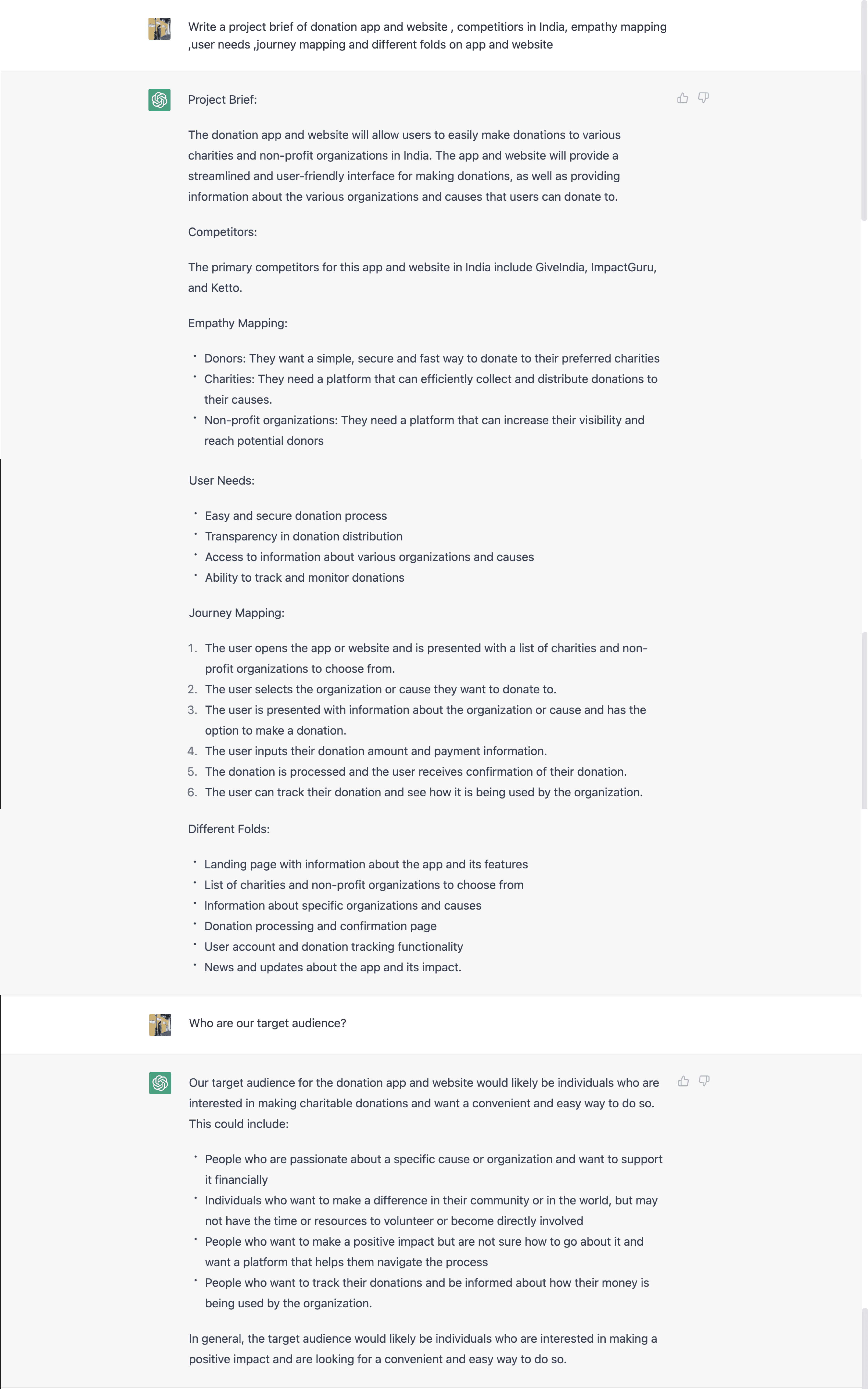
ChatGPT
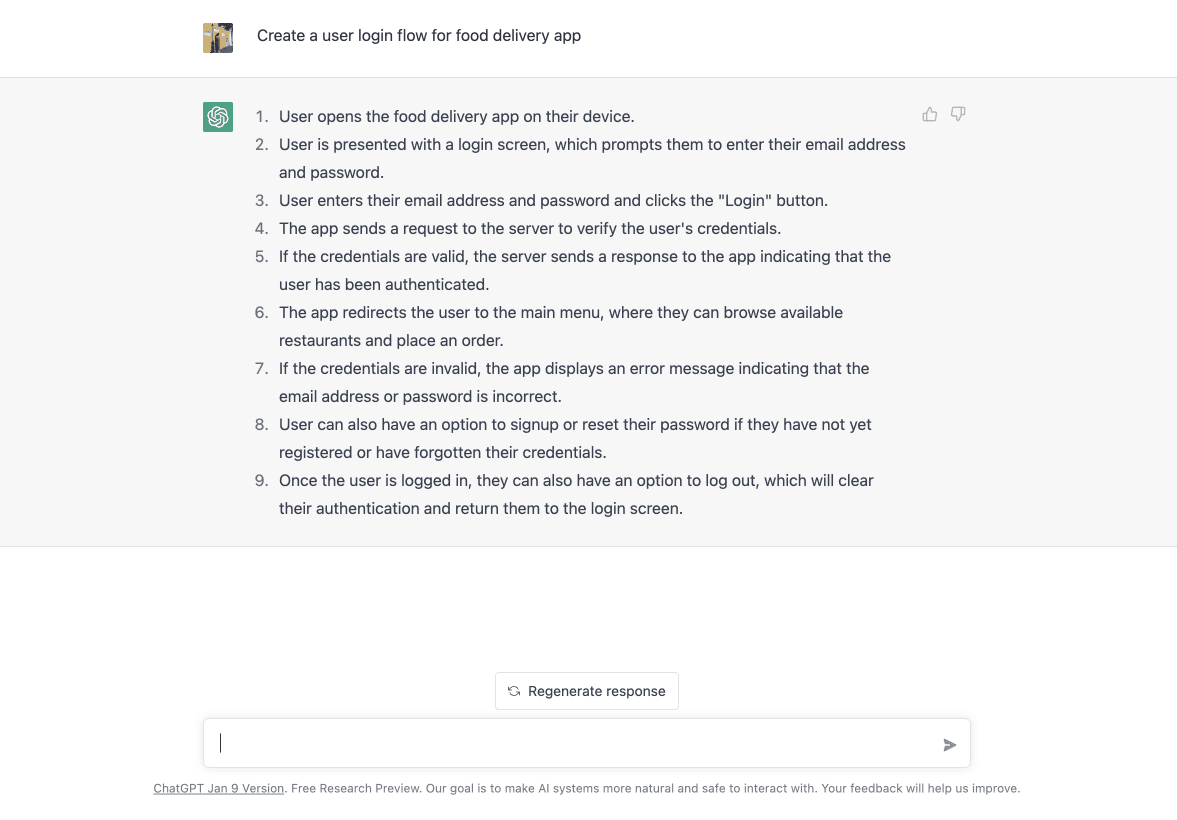
I asked the tool to give me ideas on the user flow of a food delivery app.
Below is what I received:
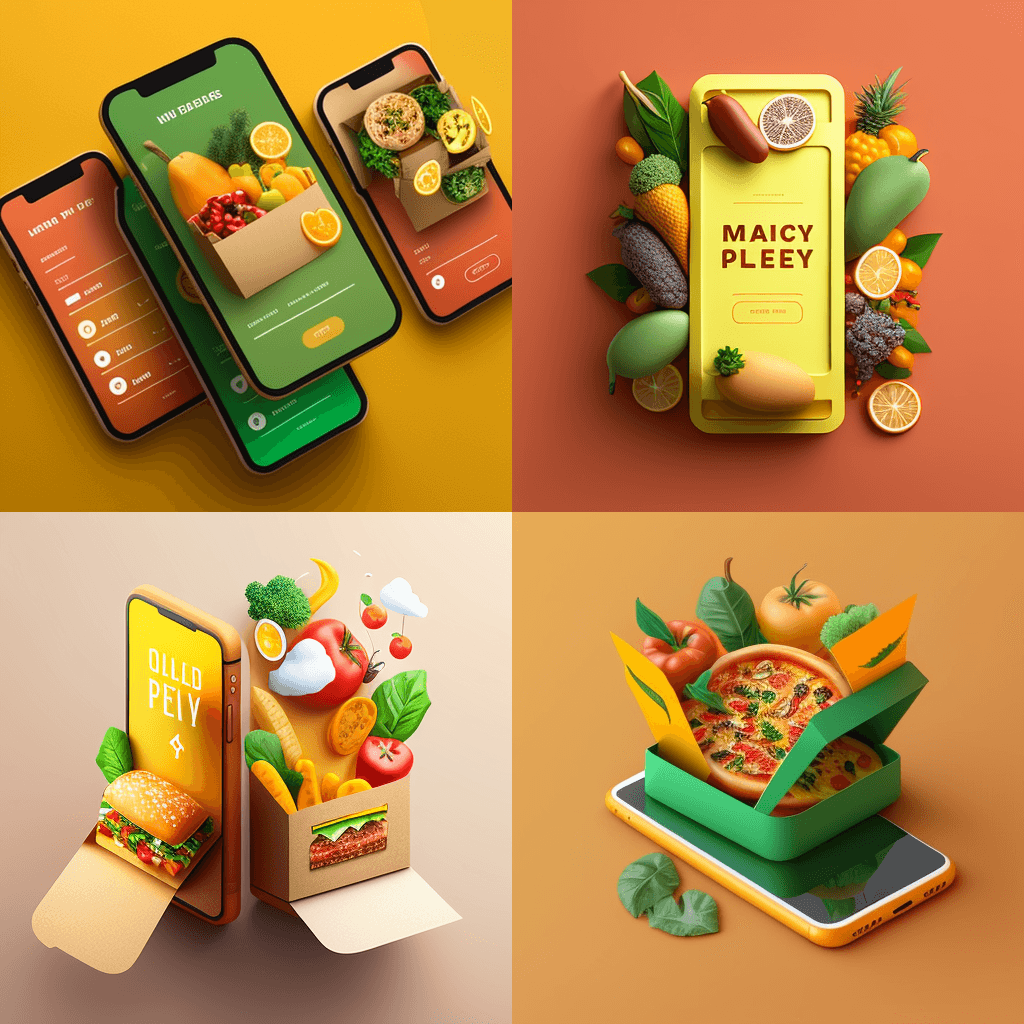
Midjourney
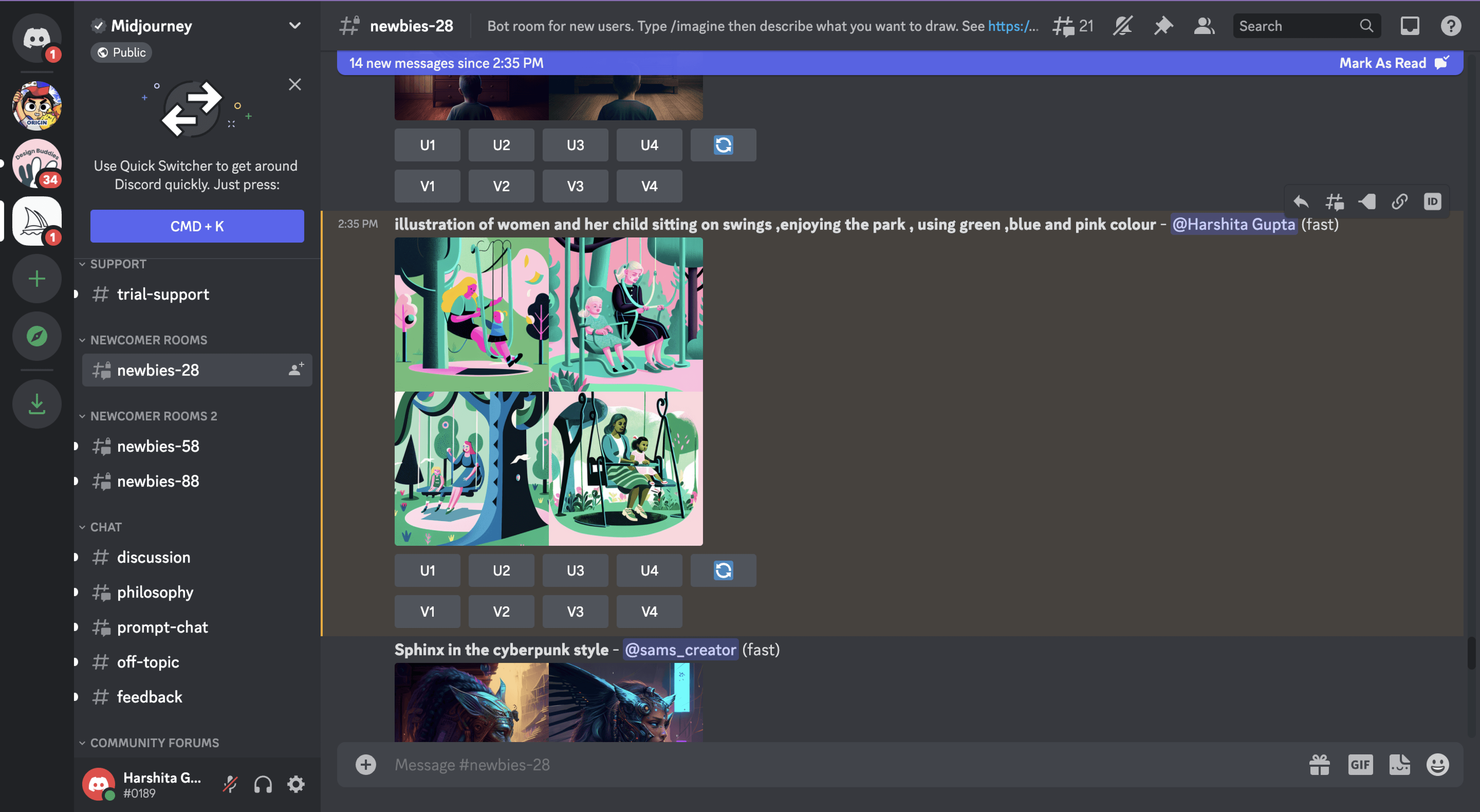
I used the response from ChatGPT to generate illustrations and high-quality Images for the food delivery app. The results blew me away. 😍
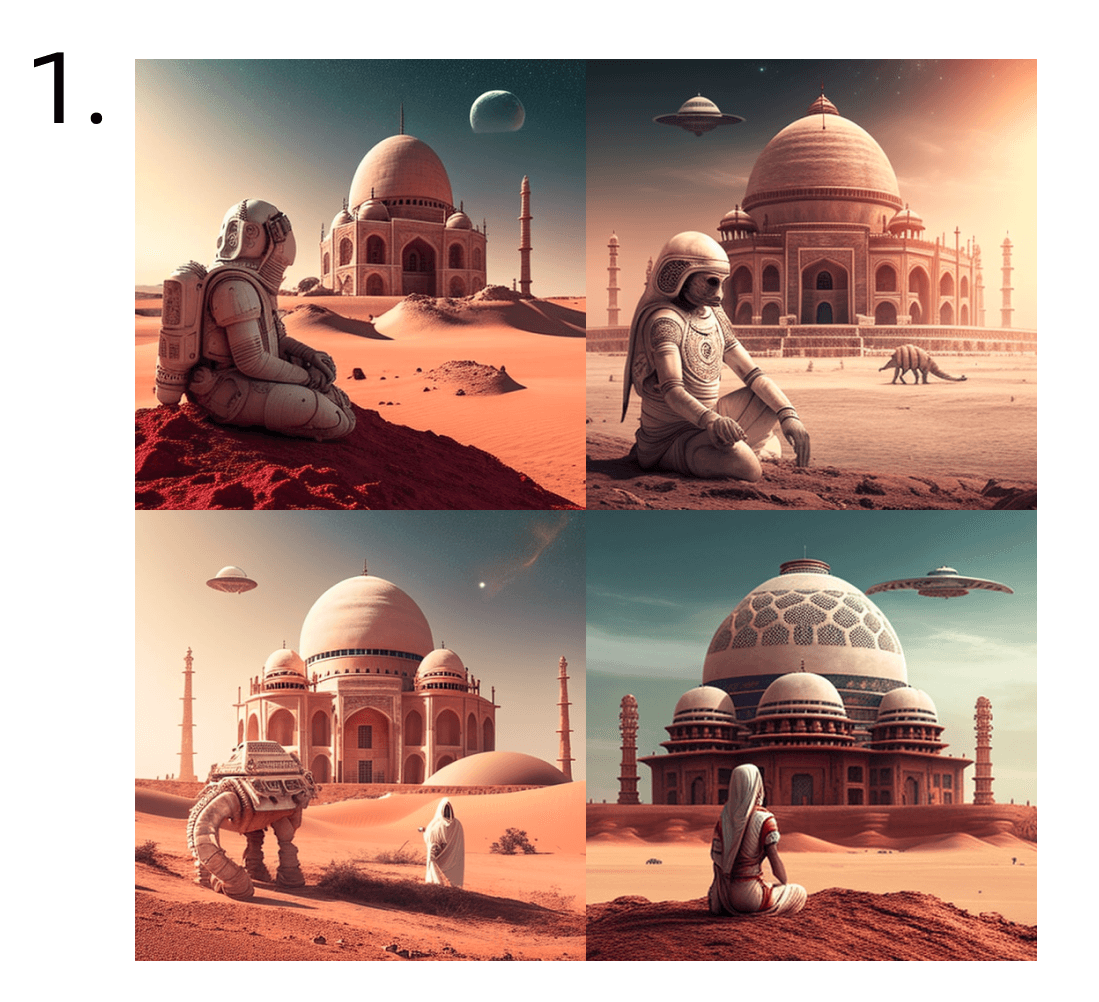
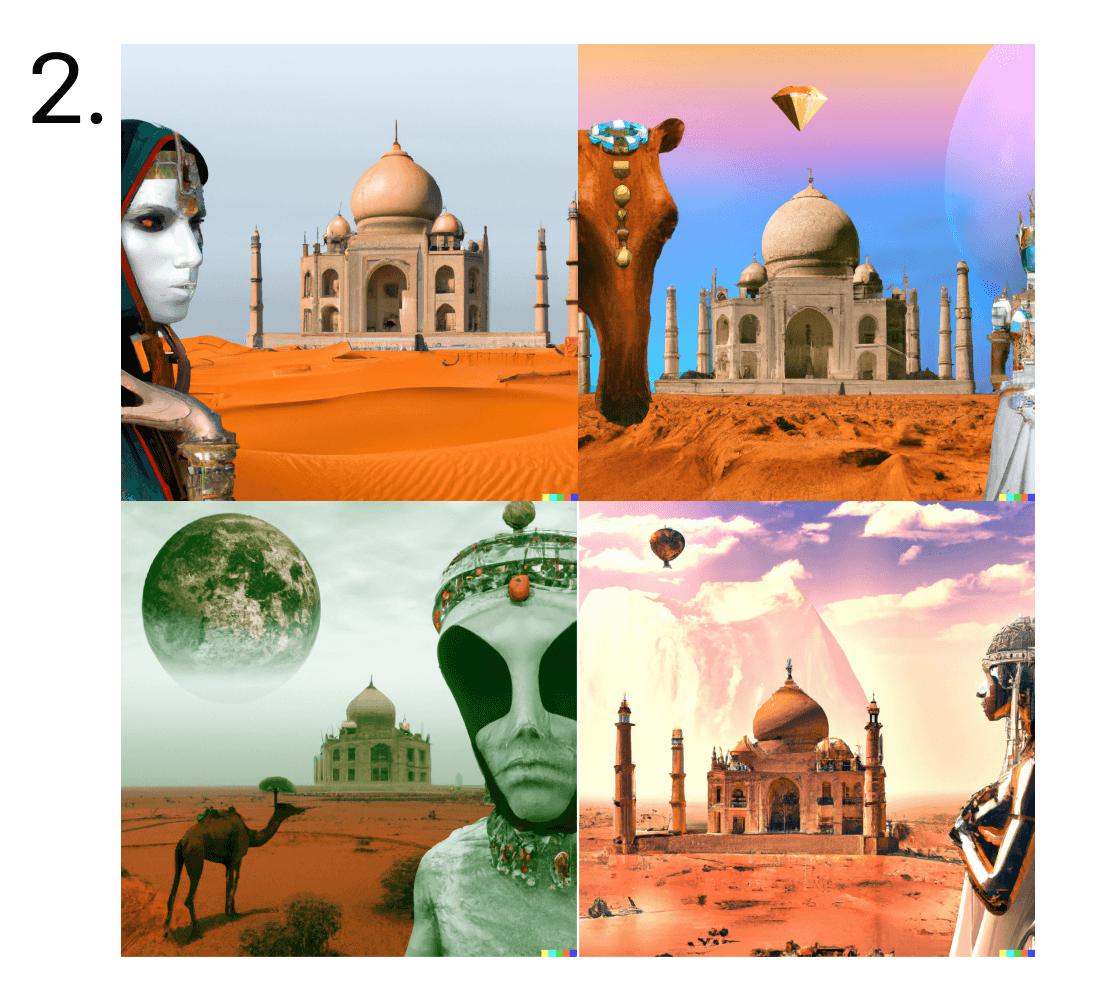
I then tested an abstract idea to see if DALL-E 2 and Midjourney gave the same result. The same prompt produced different results.
Although DALL-E 2 is more famous, I like the results created by Midjourney better. They are more realistic and useful for real-time projects.
Output produced by Midjourney
Output produced by DALL — E 2
My Learnings as a Designer
- These tools can help designers and product managers with design strategy, operations, and design systems in their projects.
- The tools can synthesize information and provide key breakpoints to the designers and managers. This means better decision-making and information usage.
- “Lorem Ipsum” can now be replaced by automated generated demo content aligned with your brand language. This will facilitate better communication between the team and clients.
- AI can also help create a new relationship between customers and products.
IBM CEO -Ginni Rometty recently said - " Robots are not replacing designers, if I considered the initials AI, I would have preferred Augmented intelligence. "
So How Can Designers Get Benefited from These AI-powered Tools?
- Designers working with AI can create their designs faster and at a lower cost due to the increased speed and efficiency it offers.
- Designers can utilize AI insights for a better understanding of customers’ needs and demands.
- AI-design tools can help designers create winning designs quicker than before by automatically refining a product’s design based on millions of other successful ones.
- Through facial recognition and computer vision, AI can determine gender, age, location, context, and the current mood of the user. This will help UX designers deliver a more personalized experience based on this information.
- Coupling AI with voice recognition and chatbots enables UX designers to create a speedy, more convenient, and personalized user experience.
Let’s Have a Look at Some Examples
1. Netflix
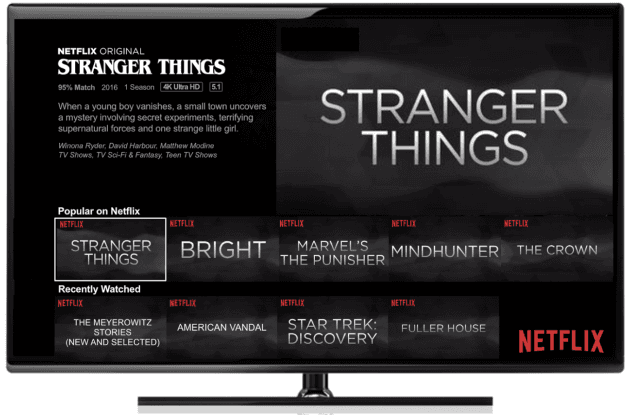
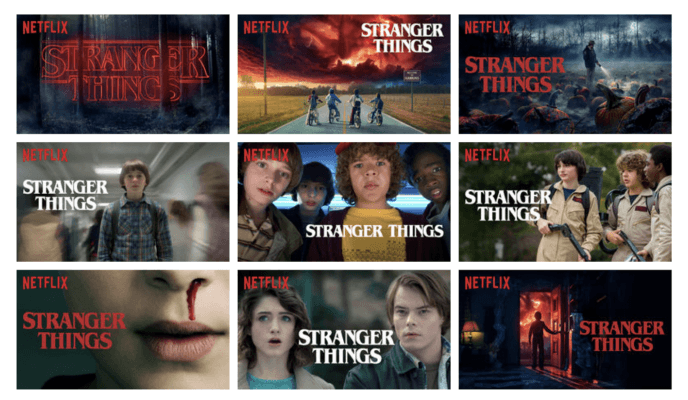
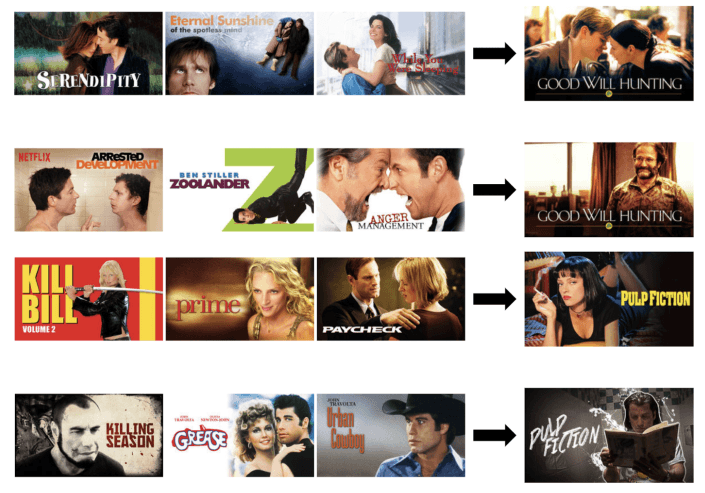
Netflix is using augmented intelligence for its personalized banner design and artwork. The system reads the master component version and personalizes the work. The designer only has to work on the generated outcome, review it, check the graphics, approve or reject them and adjust the work manually if required. This is a massive time saver with improved quality.
Checkout these pages for more details 👇🏻
2. Nutella
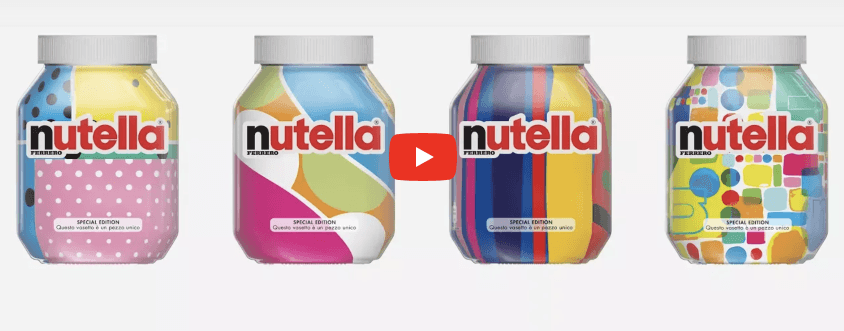
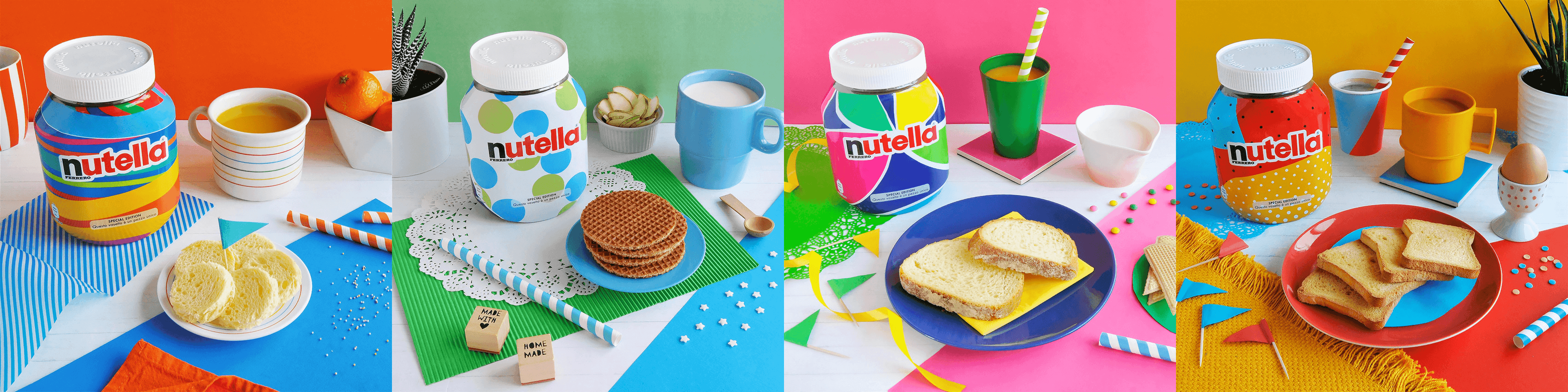
AI algorithms have already upgraded the traditional role of a designer to generate millions of unique packaging designs for Nutella. The AI algorithm pulled from a database of dozens of patterns and colors created seven million different versions of Nutella’s graphic identity, all of them unique, which have been displayed on the front of the Nutella jars in Italy. All seven million jars were sold out in a month.
3. Airbnb
Airbnb is already doing it — generating design components with production-ready code from hand-drawn wireframe sketches using machine learning and computer vision-enabled AI.
Filling the Gap Between Designers and Developers
AI is also filling gaps between the design and development workflows. For example: In traditional web development, web developers take designs from designers and convert them to frontend code templates. This is taken ahead by backend engineers to integrate the code using data. The process is a bit complicated for designers to understand and developers to work with. AI tools like Locofy can solve this problem. They can help designers and developers to convert the design to code and export it to the final product. This allows designers and developers to sit together and discuss the product, manually correct it, and change it as needed. From this, we can draw the conclusion that Artificial intelligence is designed to enhance, not replace.
Resources: AI Tools for Designers
- ChatGPT -Content generating open AI tool, which gathers information from the whole database as per the asked prompt
- Mid journey: Independent research programs that create a proprietary artificial intelligence program under the same name. Creates images from textual descriptions.