Oct 14, 2019

Boilerplate using Express + Typescript

A Web Server Built With Express, Typescript, Mongoose & Pug

Author

Faiz Ahmed FarooquiPrincipal Technical Consultant.
Boilerplate using Express + Typescript

In ExpressJS, you always have to start with scratch for things like CSRF / JWT Token, Exception Handling, Clusters, Queues, Cache, etc. So, we thought to make is simple for everyone by building a boilerplate using Typescript to start off with.

The repository is available at GeekyAnt's GitHub under the name Express-Typescript.

Why we need this Boilerplate?

1. Exception Handling

Rather than restarting the entire node app repeatedly for minor bugs, we found a way to handle exceptions & errors using Nodes' process events.

2. Fork a New Cluster on Exit of Old Cluster
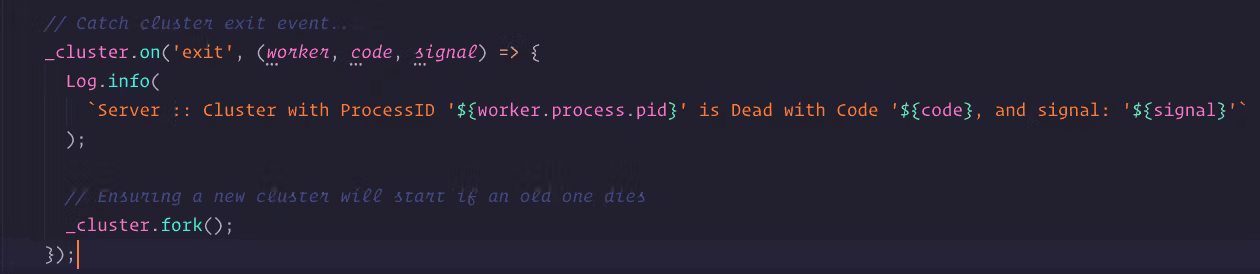
GeekyAnts' Express TypeScript: Cluster

Rather than sending the entire load onto a single Core / CPU, we try to take advantage of a multi-core system to handle load. Here, if the cluster dies for some reason, we create / fork a new one immediately.

3. Auth (using Email OR Social Accounts)

Using PassportJS as an interface, we keep adding configurations & registering them in the app for social authentication.

4. Logger
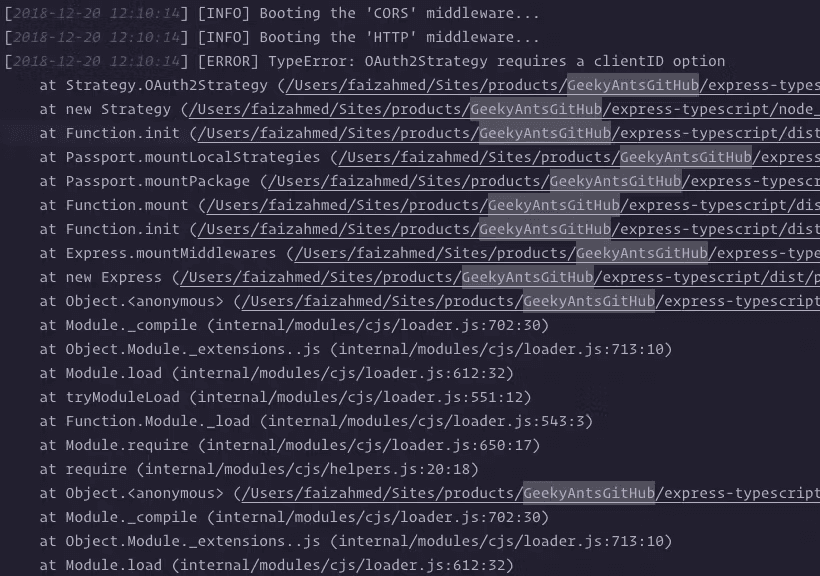
A Single Log class with methods like infowarnerror & custom. These methods send the log string to a file under <YYYY-MM-DD>.log directory of your project root and keep creating these log files on a daily basis rather than having a single log file. 

5. DotEnv

Use of .env, to load environment variables/constants for the entire app. So now, we have a single centralized constants location.

6. Tokens

We prefer using CSRF token for our Web routes and JWT token for API routes. So, we create middlewares for both tokens and register them against Web and API routes respectively.

7. Structure

There was a bit of a discussion on the issue of structuring of folders/files in ExpressJS. It was hard to establish where to organize and which files to organize, or if a perfect structure even existed and was possible to achieve.

At last, I came up with the following folder structure.
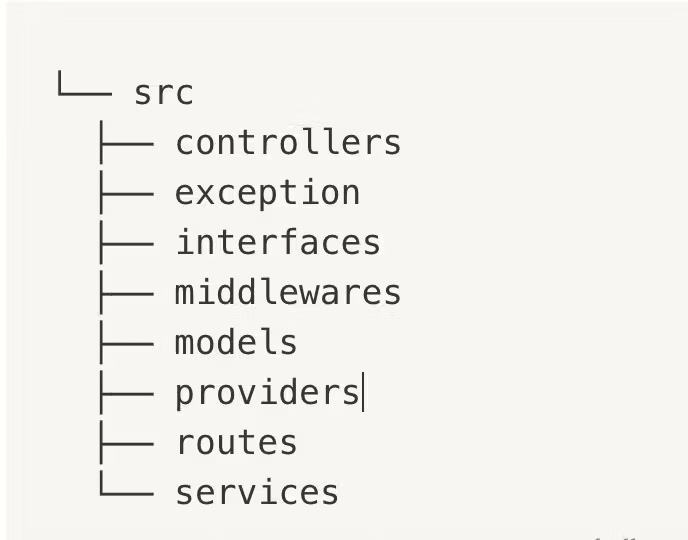
GeekyAnts' Express TypeScript: Structure

Note: This structure contains just parent folders.

8. Queues

There are various things in a backend logic that does not really need to happen upon a request like sending out E-Mails or SMS texts, etc. In short, things which require a connection to any third party service are overhead in some conditions

To fix this, I have used KueJS, a priority based job queue that runs on a Redis driver.

9. Cache
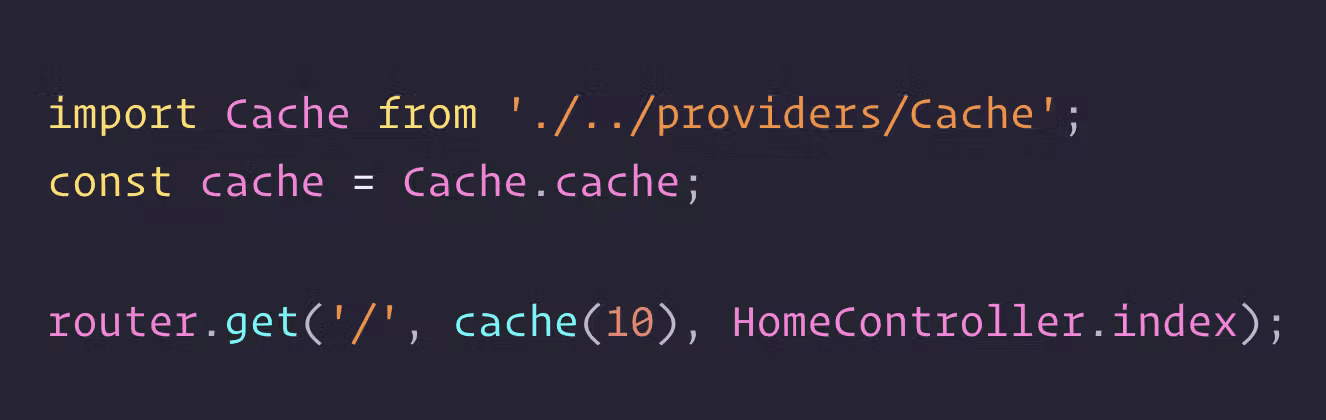
For caching of web routes, I have used a simple in-memory cache using memory-cache.

And many more features that you can read about and explore at GeekyAnts' Express TypeScript

Subscribe to Our Newsletter

RELATED ARTICLES

More from the engineering frontline.

Dive deep into our research and insights on design, development, and the impact of various trends to businesses.
The Bug That Doesn't Show Up in Code Review: Why Your Flutter Web App Reloads on Safari
A real-world look at how oversized images can trigger Safari reloads and iOS crashes in Flutter apps and how smarter image decoding prevents them.
From Prompting to Process: What Changed When Flutter Shipped Agent Skills
This blog explores how Flutter Agent Skills improve AI-assisted development by combining official framework workflows with project-specific guidance for more consistent development.
Why Everything Your AI Builds Looks the Same
This blog explores why AI-generated interfaces often look alike and explains how design systems, product context, and reusable engineering practices help teams build distinctive, scalable
How We Built the Missing Bridge from Code to Figma
Technology

Jul 10, 2026

How We Built the Missing Bridge from Code to Figma
This blog explores how AI-generated React apps get turned into fully editable, designer-ready Figma files by reading React Fiber instead of the DOM.
Building a Resilient Hybrid-Cloud Network with WireGuard HA, Route-Based Failover, and Deep Observability
Technology

Jun 27, 2026

Building a Resilient Hybrid-Cloud Network with WireGuard HA, Route-Based Failover, and Deep Observability
A practical breakdown of building resilient AWS-to-on-premises connectivity with WireGuard HA, active-standby failover, and deep packet-forwarding observability.
We Built a 114-Second AWS-to-Azure Failover. Here’s What We Learned
Technology

Jun 19, 2026

We Built a 114-Second AWS-to-Azure Failover. Here’s What We Learned
A practical guide to building a 114-second multi-cloud disaster recovery failover between AWS and Azure — what we built, what broke, and what we learned.
Cloud-Native and Cloud-Agnostic Are Not Ideologies; They Are Business-Stage Decisions
Technology

Jun 12, 2026

Cloud-Native and Cloud-Agnostic Are Not Ideologies; They Are Business-Stage Decisions
This blog explains how organizations can balance speed, scalability, and operational flexibility as they grow from startup to enterprise scale.

The Right Conversation Can Save You Six Months.

Whether you’re navigating AI adoption, modernizing legacy systems, or scaling a product - we start by listening. No pitch deck. No template. A real conversation.