
Welcome to the fascinating world of multi-brand apps, where identical layouts meet unique themes. Join us on this journey as we explore the challenges and solutions that brought us to the forefront of this dynamic realm.
The first approach is like splitting a deck of cards, creating separate apps for each brand. It's the go-to choice when brands flaunt exceptional and complex features, keeping their identity untamed. When distinct user bases and separate development teams rule the land, this approach shines. Even the speedsters with rapid updates find their haven here. But wait, there's a plot twist.
Building separate apps means copying a substantial chunk of your codebase for each brand. As we add more brands, the web of complexity tightens, leading to increased development time, resource overload, and scalability hiccups.
But in this tale, there's an alternative path—a mono-repo structure that's music to our ears!
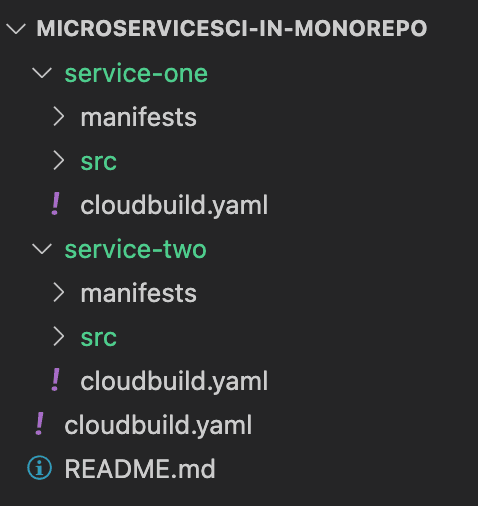
This approach dances to a single rhythm—a unified codebase with tweaks for individual brands. Imagine reducing development effort thanks to code and feature reuse. Picture a world where consistency reigns supreme, offering users a seamless experience. The outcome? You guessed it—substantial resource savings!
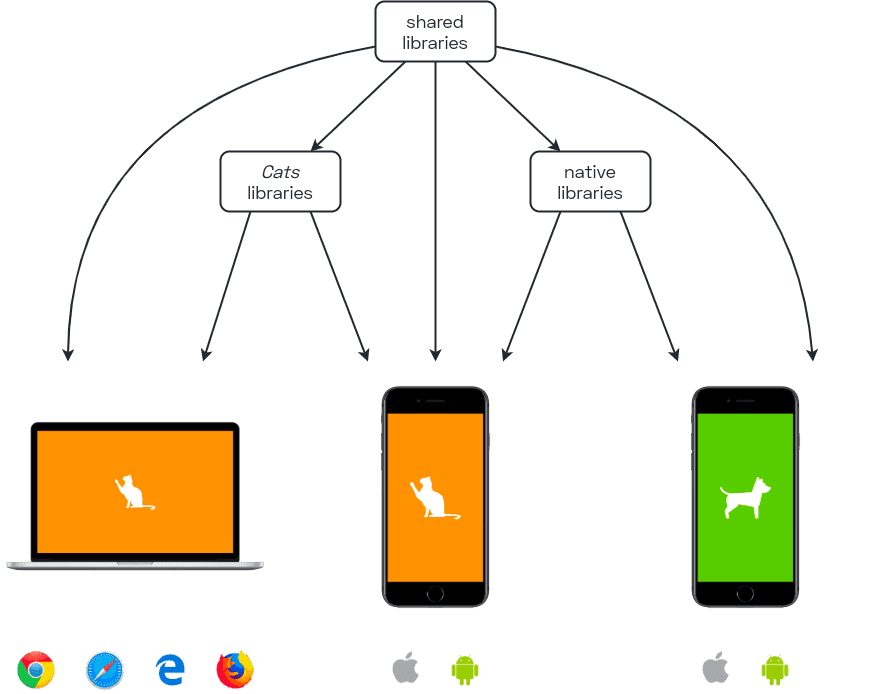
Multiple tools are on offer for managing these grand monorepos: Lerna, Yarn Workspaces, NX, Bazel, Rush, and more. Our weapon of choice, NX, aligns with the best practices, paves the way for CI/CD automation, flaunts a treasure chest of plugins, and plays nicely with large, complex projects.
Take a peek at our codebase structure, where common features reside in the SRC folder—your treasure trove of reusable components, services, and themes. It's a symphony of code, orchestrating faster app deployments.
And here's the scene-stealer in our journey—gluestack UI!
The grand finale? Swift app deployment, dynamic theming, and a seamless multi-brand empire.
The stage is set; the choices are yours.
Dive into the endless possibilities and elevate your multi-brand app development with the magic of one versatile codebase!
Watch the full React + React Native Meetup for more insights👇🏻