


Design and development are closely related to a design system’s performance. It is how stakeholders and product managers combine these two factors that determines the effectiveness of the final product.
Take, for instance, product managers. A product manager can help align the design system's output with the organization's goals, prioritize the roadmap based on those goals, and build a communications strategy to drive adoption and create feedback loops with consuming teams.
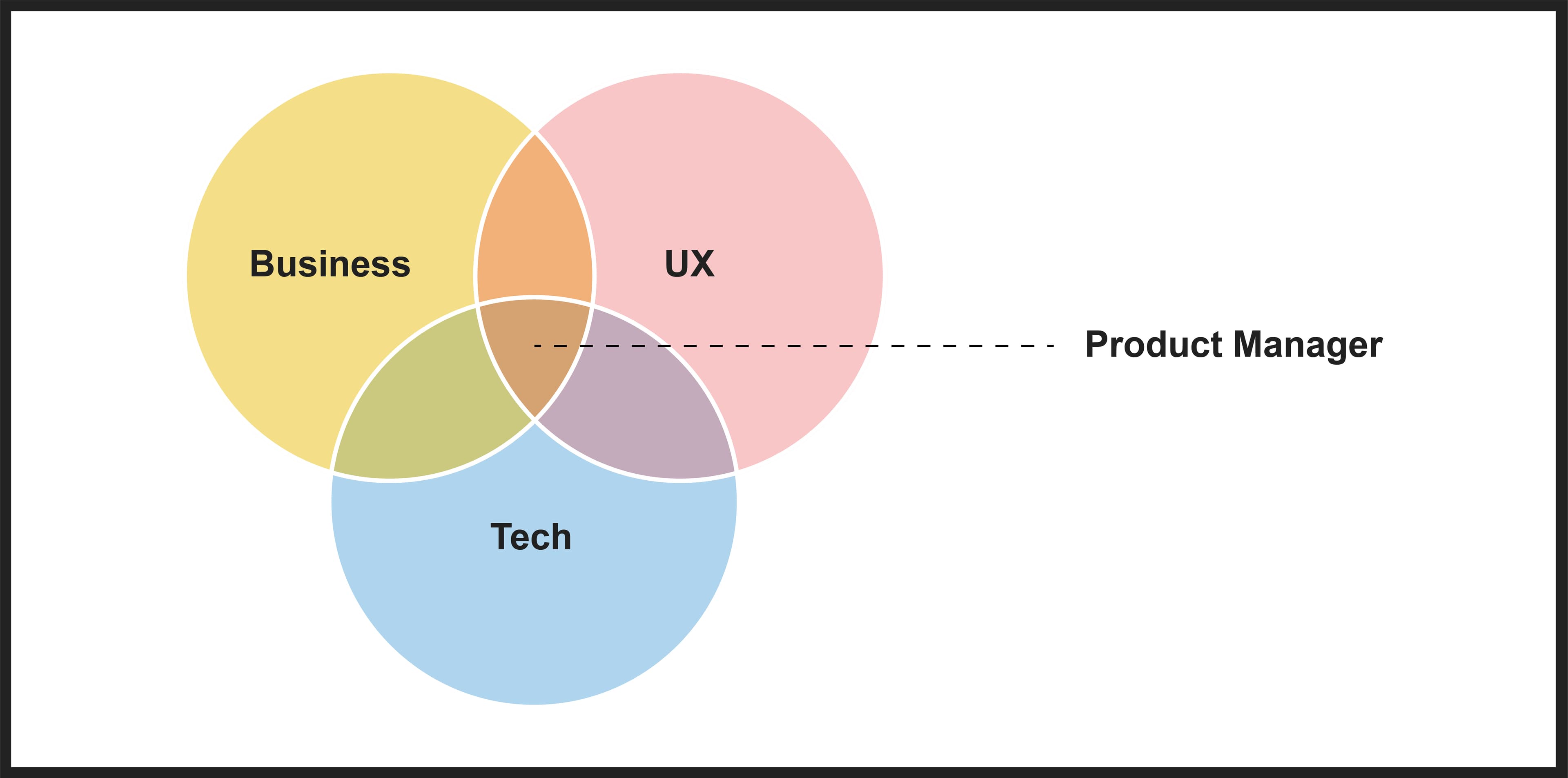
This article will provide an overview of how product managers deal with common issues around design systems and leverage design systems. Additionally, this blog provides a step-by-step guide to leveraging the power of design systems. So read along.
Common Problems Faced By Product Managers
To develop highly efficient design systems aligned with your goals, your development and design teams must work together effectively. In the design system ecosystem, everyone faces the dilemma of keeping the product unique while meeting the clients' needs.
Here are some of the most common difficulties faced by product managers while developing design systems.
Dealing With Legacy Codebases
Replacing any of the existing UI would lead to visual discrepancies. In the legacy codebase, buttons and widgets cannot be systematically swapped out throughout the interface. A product manager must decide whether to commit resources to updating the buttons, or have incongruous widgets on a dated interface.
A Smooth User Onboarding Experience
Onboarding is crucial to a user's relationship with a platform. It helps new users become more proficient at using a product/service. No matter how good a product is, it will fall short if the product manager fails to envision a product that provides customer satisfaction during the onboarding process.
Dealing With Customer Perception
Another factor that a product manager must consider is customer perception. Even if the change is objectively "better," the backlash could be massive. In most cases, the change in a design system is perceived as an annoyance by users who have developed muscle memory from using the product for many years, and some may regard this as a "pointless" change.
Working A Way Around The “What”
It’s essential to work around commonly encountered issues while working with a design system. A product manager must have answers to these questions:
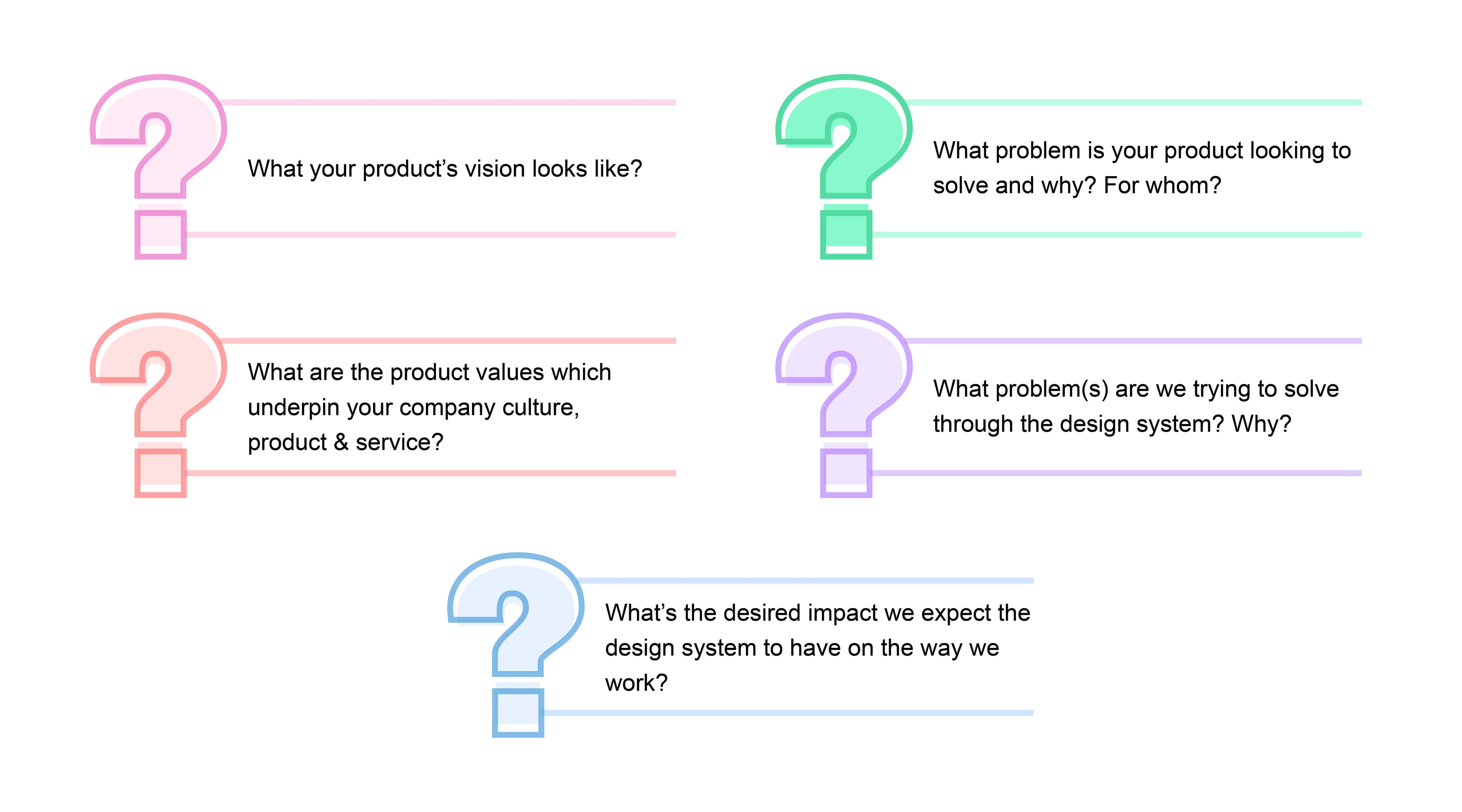
Clarifying what the desired output should be like is essential for any stakeholder to assess and act.
Understanding the problem you’re design system is solving goes a long way in gauging the potency of your enterprise. Things like product’s vision and taste then can be accordingly settled.
How Design Systems Help
“Design systems provide a convenient, centralized, and evolving map of a brand’s known product territories with directional pointers to help you explore new regions.”
Let's use Apple as an example to discuss this product management issue. Did you know that when Steve Jobs returned to Apple in 1995, he used design thinking to focus on a single metric for the entire product development process? The sole aim was to develop a distinctive Apple experience with standard design principles and thinking.
As a result, he stopped all R&D work that involved working on multiple projects at once and instead concentrated on developing just one.
Fortunately, it didn’t take long to find the correct workflow and design metric.
One of the things Apple’s design system did was to move everything to a set of variables, including fonts and colors. It had also been designed in such a way that those variables could be defined in bulk, or, to put it another way, the entire interface could be easily themed. Taking that and pairing it with a long-standing customer request, they had their selling point.
Today, Apple’s a leading player in the tech business and a forerunner in the design system ecosystem as well. Apple’s design system is called the Human Interface Guidelines (HIG), which has continued to thrive and improve. It delivers on the promise of design systems in general—saving time for designers and developers, promoting consistency, and improving usability for end users.
Steps to Leverage The Power Of Design Systems
Follow these steps to ensure your product management teams use the power of design systems to the best of their abilities.
Step 1: Learn how Design Systems Get Made
A product manager should have a clear idea about the distinction between design patterns and design systems. Knowing how design systems get made and asking the appropriate questions is essential for laying the groundwork for an effective design system.
Step 2: Understand How Teams Work With Design Systems
Investigate some of the ways in which different teams interact with the organization’s design system, and learn some strategies for making that process as productive as possible.
Doing that will help you assess the needs of the organization better and use the design system in a far more sufficient manner.
Step 3: Establish the Purpose and Principles of Your Design System
Understand the purpose of your design system and how to start defining clear, well-understood design principles to keep your system moving forward.
Learning how to incorporate changes into your design system and how to integrate your team into the process helps build a brand around the enterprise, which keeps the morale up.
Step 4: Outline the Roadmap for Your Design System
Discover how design and implementation teams can work more closely together. Specifically, learn about the collaborative design review process and how prototyping across desktop and mobile devices is critical to the development of a modern design system.
It’s essential to learn how to plan for your design system’s future health and success by releasing new components or deprecating old ones, and how to communicate changes to users. This keeps the enterprise relevant and updated.
Step 5: Increase Design System Adoption
Explore the characteristics of a thriving design system to help you determine whether your design system is working. Learn how to keep your system visible and relevant, and perhaps most importantly, establish clear channels for receiving user feedback.
Discover how problems with design systems can be avoided by digging a little deeper into how they work. Learn how to think and talk about your system as a platform instead of a project.
Lesson Learnt
“The problem facing design today isn’t a shortage of skills or talent but that design doesn’t scale when you move from a few screens of designed components to a platform of developed patterns where adding people only complicates the problem… hence design systems.”
Product managers must understand what a design system is and what functions it serves. Even if they are not directly involved in the development or implementation of a design system, understanding their company's design language and how it applies to the product is critical.
Contact us to learn how your organization/product managers can more effectively yield design systems.
